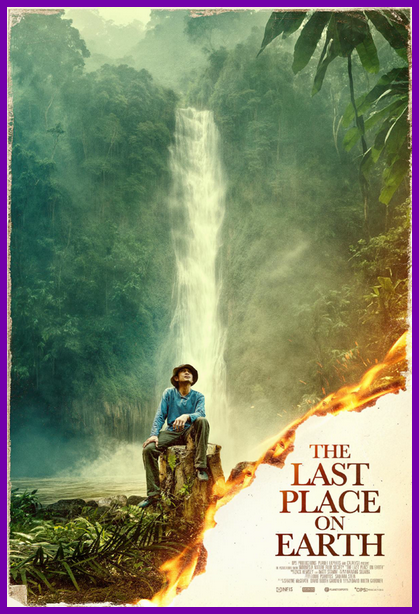
Your heart breaks within moments of THE LAST PLACE ON EARTH.
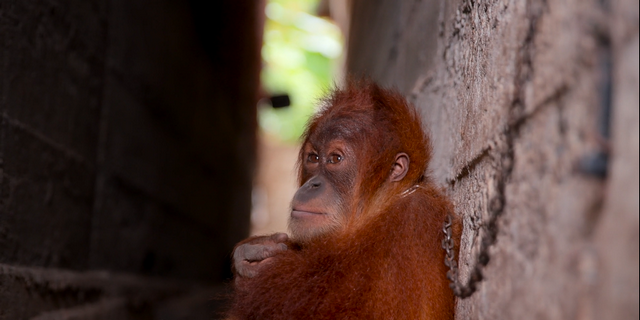
There, confined in a cramped crawlspace and chained by the neck, is a small orange orangutan named Irmelin. Frightened, vulnerable, and heartbreakingly sweet, she immediately captures your heart and fills your soul. And with that, writer/director/producer David Booth Gardner has you. You are emotionally invested in Irmelin, in the wildlife of Sumatra, in the people fighting to save them, and in the extraordinary ecosystem upon which their survival—and ours—depends.
An absolutely amazing documentary on every level, THE LAST PLACE ON EARTH takes us deep into Sumatra’s Leuser Ecosystem, a 2.6-million-hectare rainforest and one of the last places on Earth where tigers, elephants, rhinos, and orangutans still roam free. Filmed over the course of nine years by a dedicated, predominantly Indonesian crew, the film chronicles the interconnected battles being waged against illegal deforestation, wildlife poaching and trafficking, and the destructive practices associated with the palm oil industry, while celebrating the extraordinary individuals who have dedicated their lives to protecting this irreplaceable wilderness.
When conversations turn to deforestation and wildlife poaching, many people instinctively think of Africa. One of the great strengths of THE LAST PLACE ON EARTH is its focus on Indonesia and Sumatra and the global significance of what is happening there. Gardner opens our eyes not merely to a regional environmental crisis, but to the interconnectedness of ecosystems, wildlife, industry, economics, and human survival.
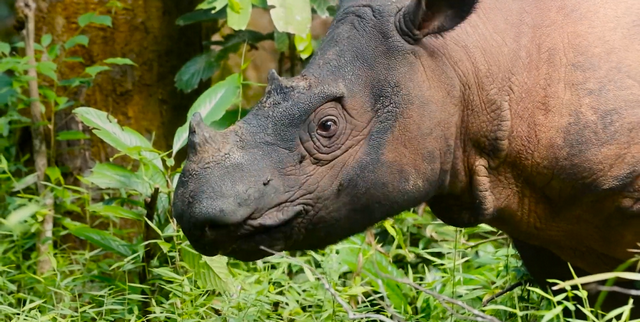
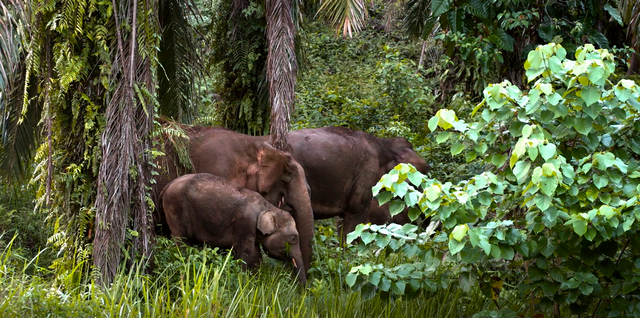
The breadth of information is fascinating, but what makes THE LAST PLACE ON EARTH so compelling is how Gardner structures the film. There are multiple fronts to this story, each with its own players and challenges, yet none exists independently of the others. Illegal deforestation destroys habitat. Habitat destruction places wildlife at greater risk. Poachers and traffickers exploit vulnerable animals. Conservationists patrol thousands upon thousands of hectares searching for and disabling traps before they can kill. Others conduct surveillance, organize sting operations, pursue traffickers, rescue animals, rehabilitate wildlife, reforest devastated land, and confront the economic forces driving the destruction.
Gardner and editors Matt Stamm and Dave Henry weave these individual threads together with precision, continually moving us from one aspect of the fight to another while making the interdependency of each increasingly clear. The editing is rapier-sharp, not only in pacing but in narrative construction. We move from Point A to Point B and back again, each return deepening our understanding of how everything—and everyone—is connected.
There is never a moment when THE LAST PLACE ON EARTH feels like a dry recitation of facts. You simply cannot look away.
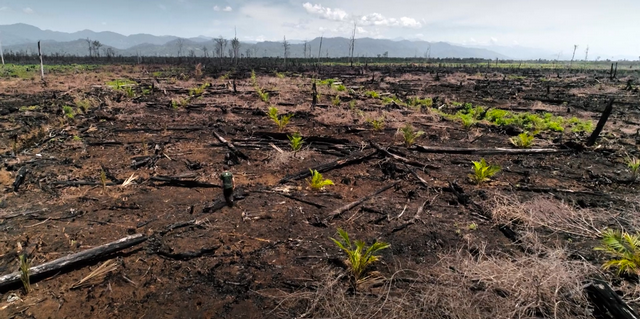
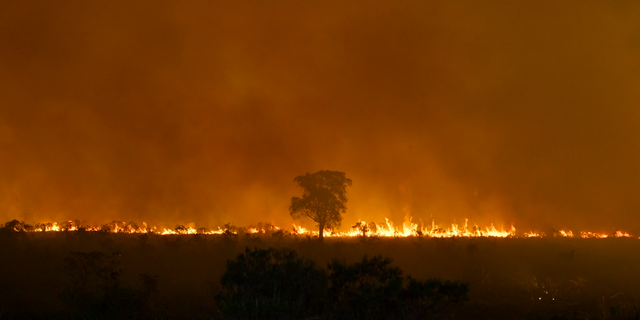
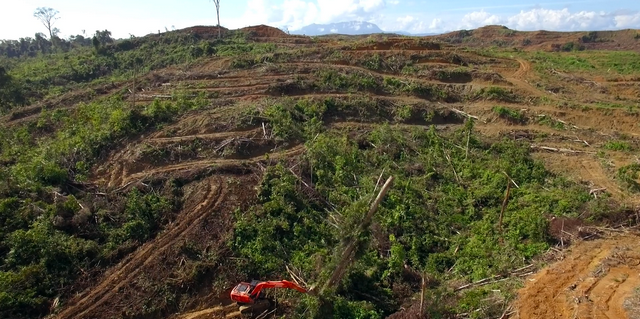
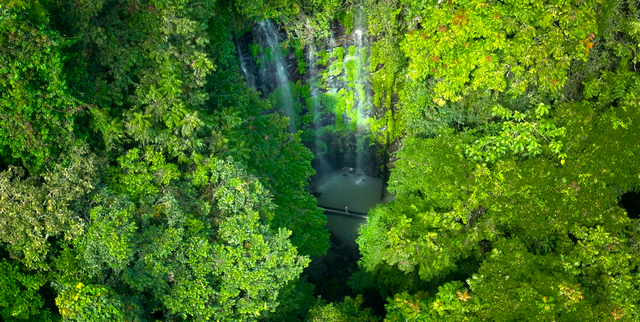
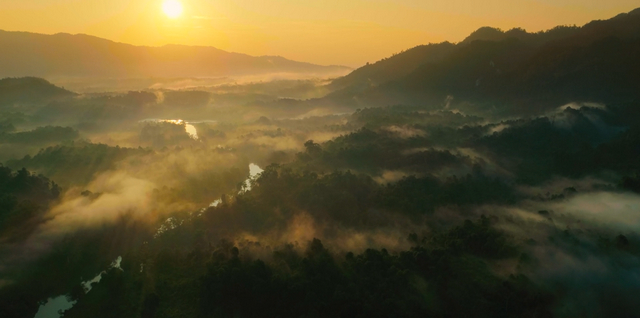
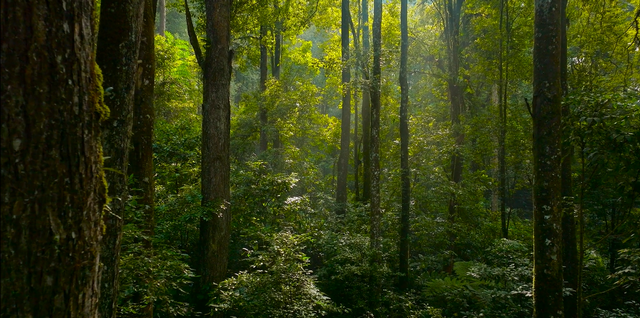
Much of that is due to the power of the imagery captured by director of photography and producer Nanang Sugana and the film’s predominantly Indonesian crew. The beauty of the Leuser Ecosystem is breathtaking. Lush, dense, verdant, and seemingly endless, the rainforest overwhelms with its majesty, as do the animals who call it home.
But that beauty makes the devastation even more horrifying.
We see the hell wrought by deforestation. We see the consequences of poaching and trafficking. And we see images that are not for the faint of heart, including a mother tiger and her two cubs killed by a trap in the forest. I audibly gasped. Gardner does not sensationalize these moments, nor does he look away from them. He understands that to appreciate the urgency of this fight, we must see what is at stake and what has already been lost.
Just as powerful as the wildlife and the landscape are the remarkable people showcased in the film. Their passion and dedication continually astonish. These are individuals walking thousands of hectares in search of traps, conducting surveillance, organizing sting operations to catch poachers and traffickers, investigating illegal activity, rescuing and rehabilitating animals, and working to restore destroyed forest.
There are no empty talking heads in THE LAST PLACE ON EARTH.
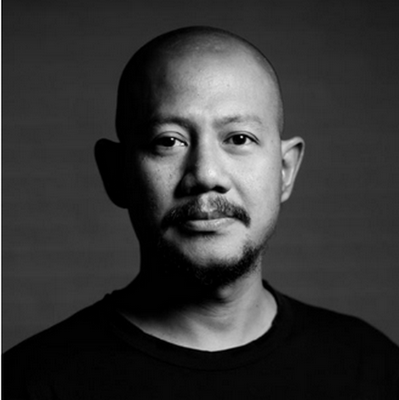
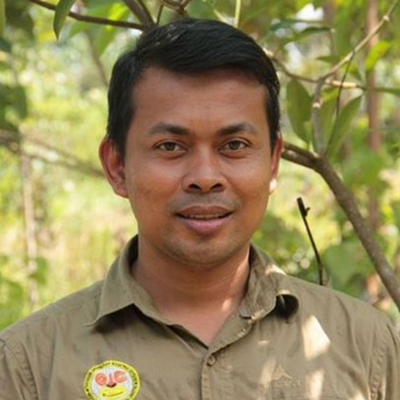
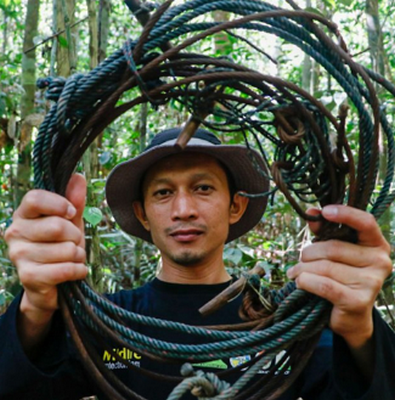
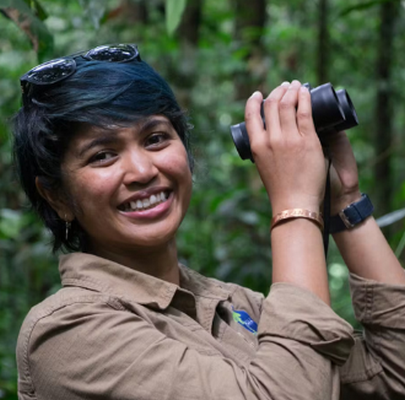
Everyone who speaks has a purpose and a direct connection to the work being done. Gardner also makes excellent use of voiceover, allowing us to hear from these individuals while watching them in action rather than repeatedly cutting away to formally staged interviews. The result is immediate and immersive. We are not simply being told about conservation. We are watching it happen.
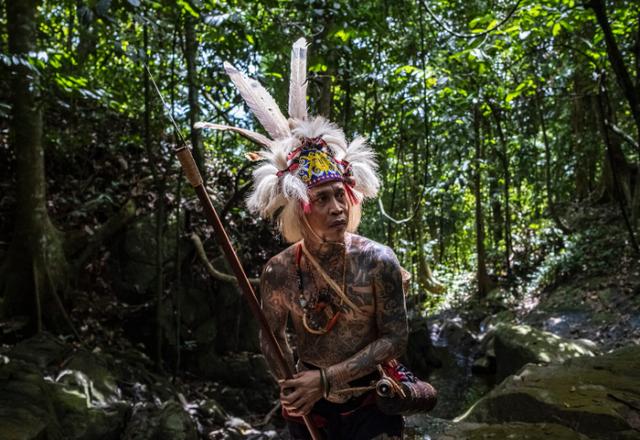
And then there is photographer Utel Ifansasti. WOW! Passion personified. His commitment, his eye, and his connection to the natural world embody so much of what makes THE LAST PLACE ON EARTH emotionally resonant. Again and again, the film introduces us to people for whom protecting this ecosystem is not an abstract cause but a life’s mission.
Yet for all the devastation and danger we witness, Gardner never allows THE LAST PLACE ON EARTH to succumb to hopelessness. The film is ultimately as much about action and possibility as it is about destruction.
Nowhere is that more beautifully expressed than through Irmelin.
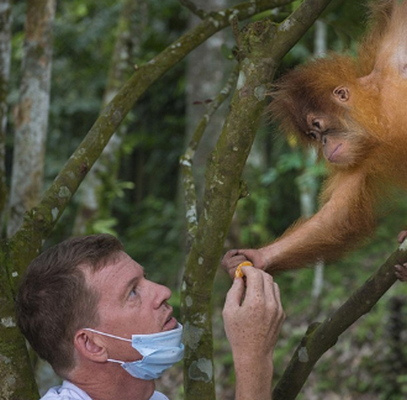
Bless Gardner’s heart for following her journey across the years and effectively bookending the film with her story. We first meet this little orangutan chained and confined. We then follow her rescue and rehabilitation, eventually returning three years later as she moves closer to freedom. And finally, we watch as the cage opens and Imerlin runs out, climbs into the trees, and begins exploring her new world with another orangutan, Oscar, seemingly showing her the ropes.
Pure joy.
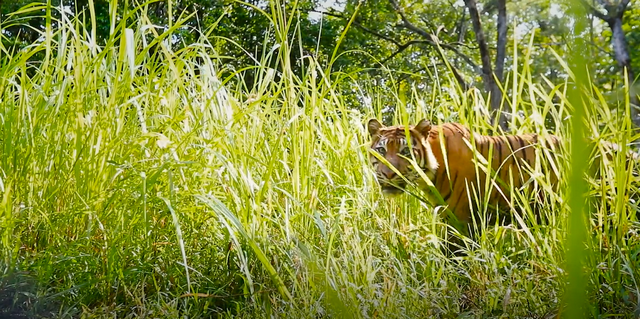
And the joy doesn’t end there. The release of a rehabilitated Sumatran tiger is equally exhilarating, with stunning drone footage following the animal as he races away and disappears deep into the forest. After witnessing what has been done to these animals and their habitat, seeing them reclaim even a small piece of their freedom is beyond uplifting.
Gardner also finds reason for cautious optimism on the economic and industrial front. Progress is possible when companies acknowledge their role in the problem and begin working with conservationists and others toward ending illegal deforestation. THE LAST PLACE ON EARTH understands that protecting an ecosystem of this magnitude requires more than rescuing individual animals. It requires cooperation, accountability, enforcement, economic change, reforestation, and an understanding that preserving the natural world is not the responsibility of one person, one organization, or one country.
It belongs to all of us.
Beautiful, heartbreaking, thrilling, infuriating, educational, and ultimately inspiring, THE LAST PLACE ON EARTH is a testament to the power of human determination in the face of seemingly overwhelming odds. David Booth Gardner and his team have created more than a documentary about endangered wildlife or disappearing rainforest. They have created a compelling portrait of interconnected survival and of the extraordinary people who refuse to surrender one of the planet’s last irreplaceable wildernesses.
The title may be THE LAST PLACE ON EARTH.
But after watching Irmelin leap into the trees and a Sumatran tiger race back into the forest, one thing becomes abundantly clear:
This cannot be the last place we fight to save.
Written and Directed by David Booth Gardner
Cinematographer – Nanang Sujana
Editors – David Henry and Matt Stamm
by debbie elias, 07/01/2026
World premiering at the 2026 Dances With Films festival, where it deservedly took home the Grand Jury Prize for Best Documentary, THE LAST PLACE ON EARTH is an absolutely amazing documentary on every level.