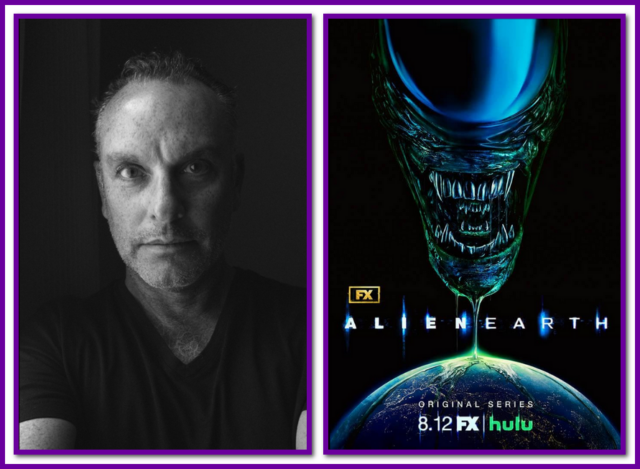
As director of four pivotal episodes and executive producer of ALIEN: EARTH, DANA GONZALES balances franchise legacy with bold evolution, crafting a visually and emotionally layered expansion of the Alien universe.
For a franchise as iconic as Alien, legacy is both foundation and burden. Atmosphere, design, tone—these are not simply aesthetic choices, but expectations embedded in cinematic DNA. With ALIEN: EARTH, executive producer and director Dana Gonzales steps into that lineage with a clear mandate: honor what came before while building something capable of sustaining an entirely new narrative scale.
Set two years before the events of Alien, the series expands the mythology beyond the confines of a single vessel into a broader, more complex world—one that spans corporate conflict, evolving technology, and the fragile psychology of youth thrust into extraordinary circumstances. For Gonzales, the challenge was immediate and multifaceted.
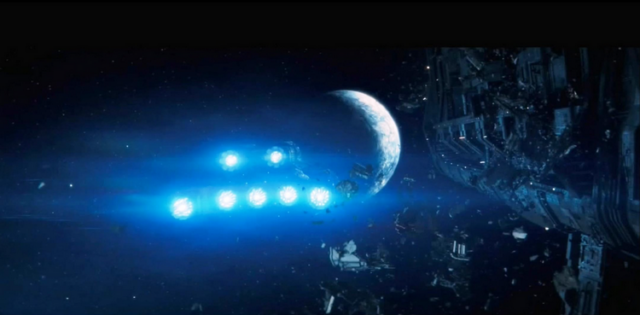
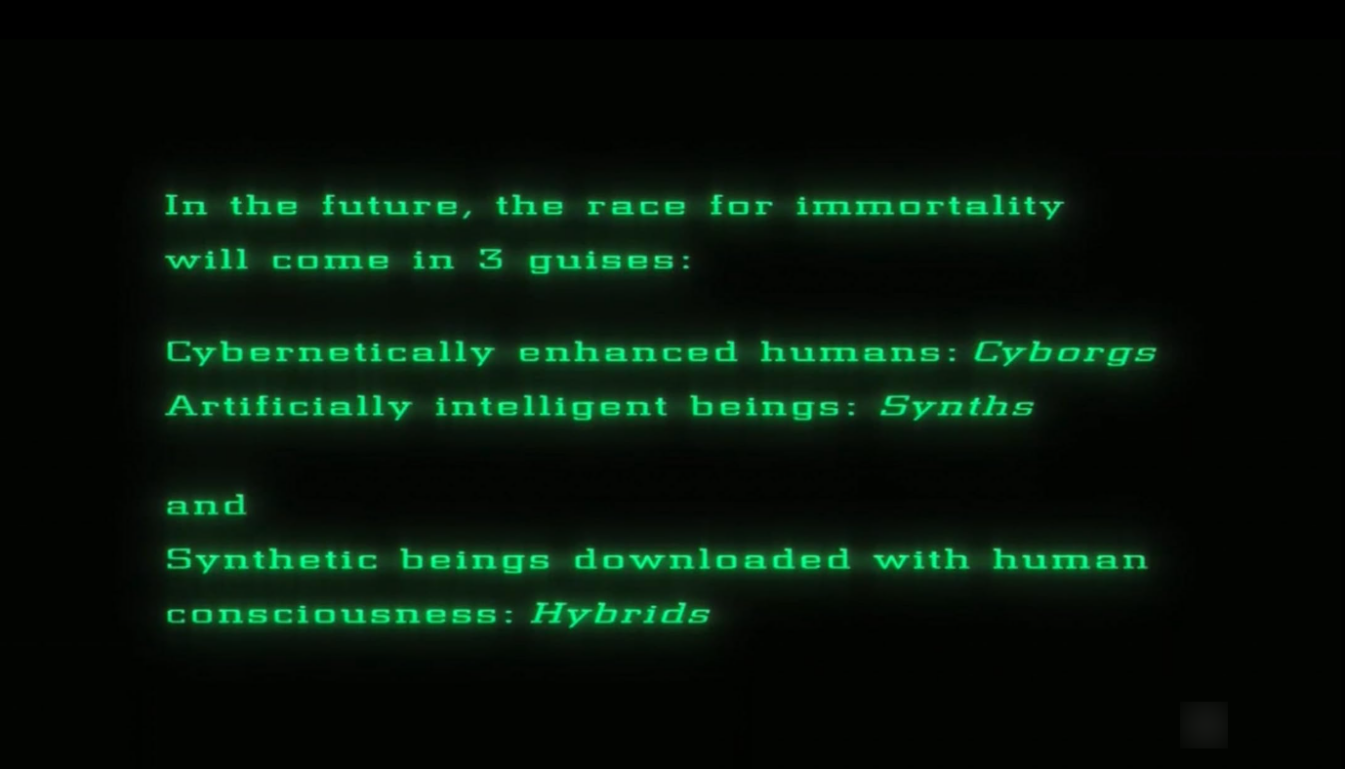
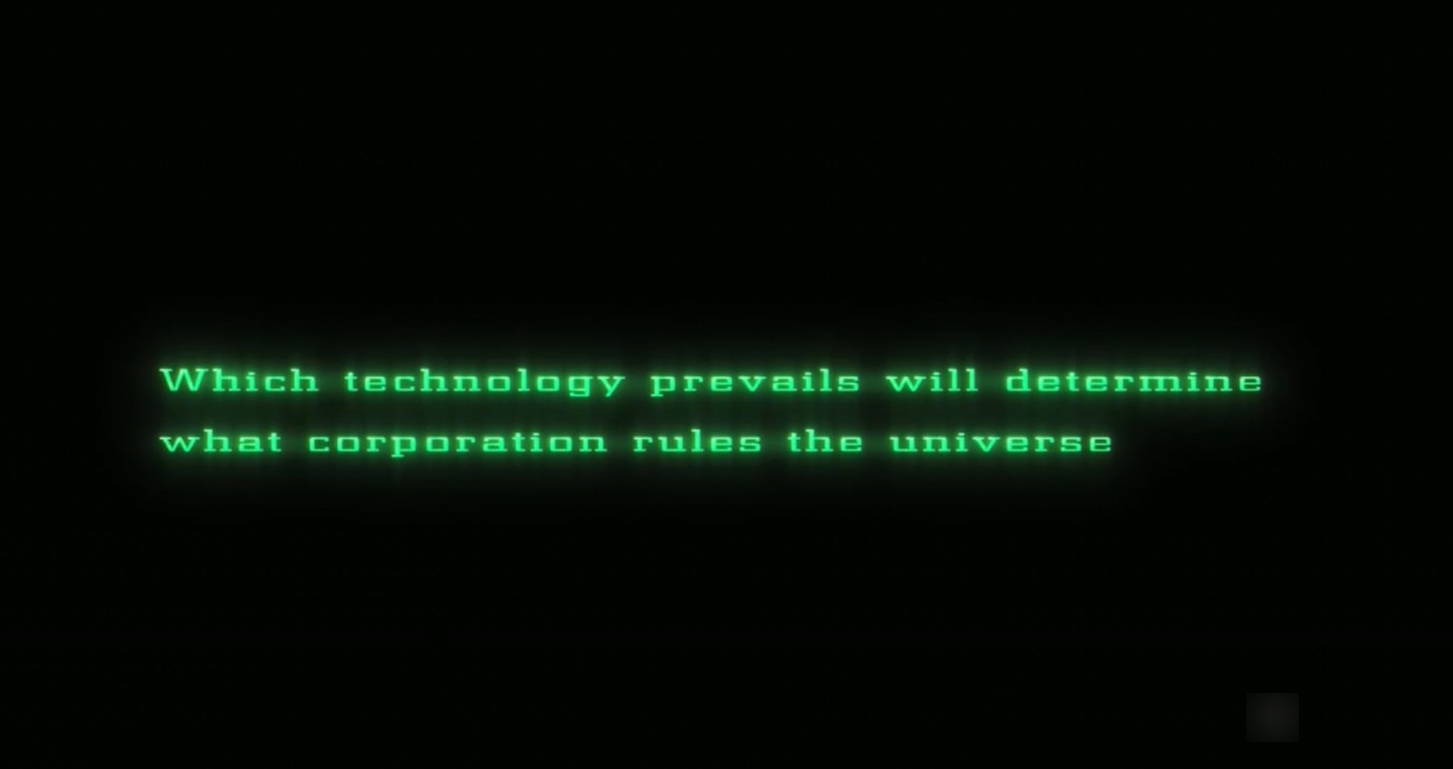
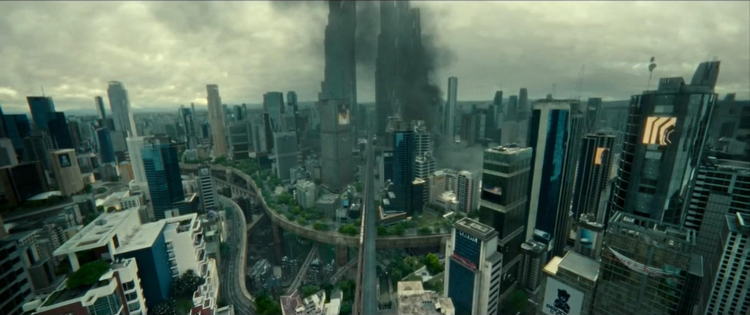
“You walk into the franchise and everything that is,” he says, “and you have, obviously, the fans that have watched every movie and understand every nuance of it.” At the same time, he notes, the series also serves as “another entry point for a lot of new fans,” meaning the creative balance had to work on two fronts at once. “You had to service the die-hard fans,” he says, “and then introduce a new audience.”
That dual responsibility informs every creative decision across the episodes Gonzales directs—Episodes 2 (“Mr. October”), 3 (“Metamorphosis”), 7 (“Emergence”), and 8 (“The Real Monsters”) —while also shaping his role as executive producer alongside creator and showrunner Noah Hawley. The result is a series that operates simultaneously as homage and evolution, grounded in familiar visual language while expanding into new territory with confidence. Gonzales also served as cinematographer to Hawley’s directing on Episode 1 (“Neverland”).
From the outset, Gonzales and Hawley were clear on one key principle. “We love Alien. We love Aliens,” Gonzales says. “We’re not trying to say it’s naturally going to become its own thing,” because the point was never to reject the franchise’s roots. Instead, the goal was to honor them while letting the series grow from that foundation. “We wanted it to feel like Alien,” he says. “As much as we can in this day and age.”
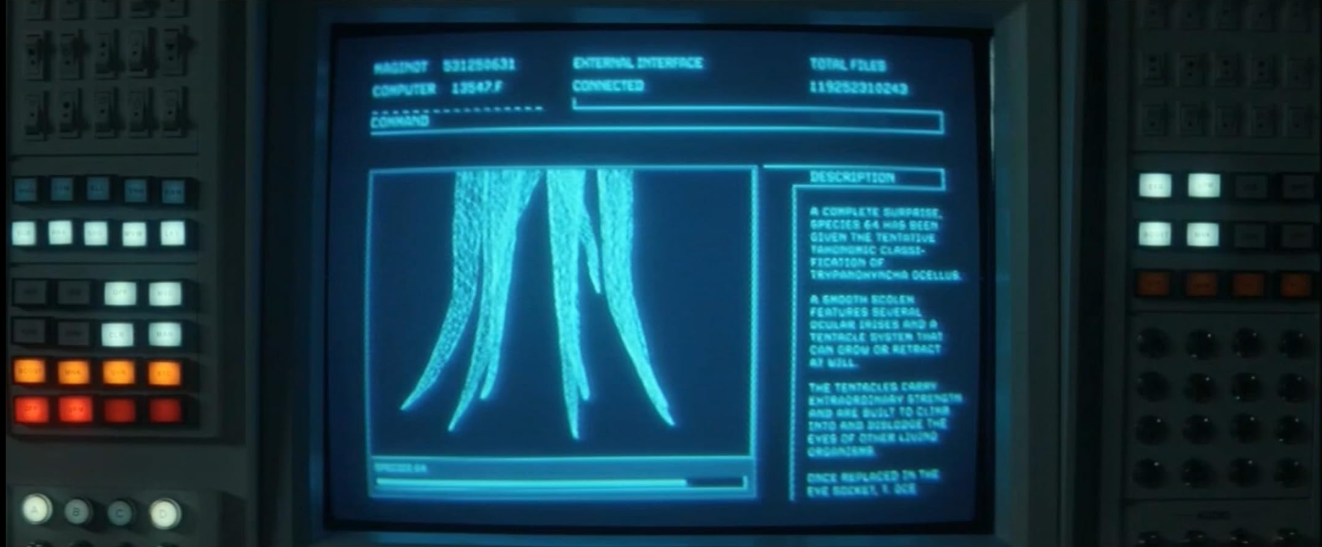
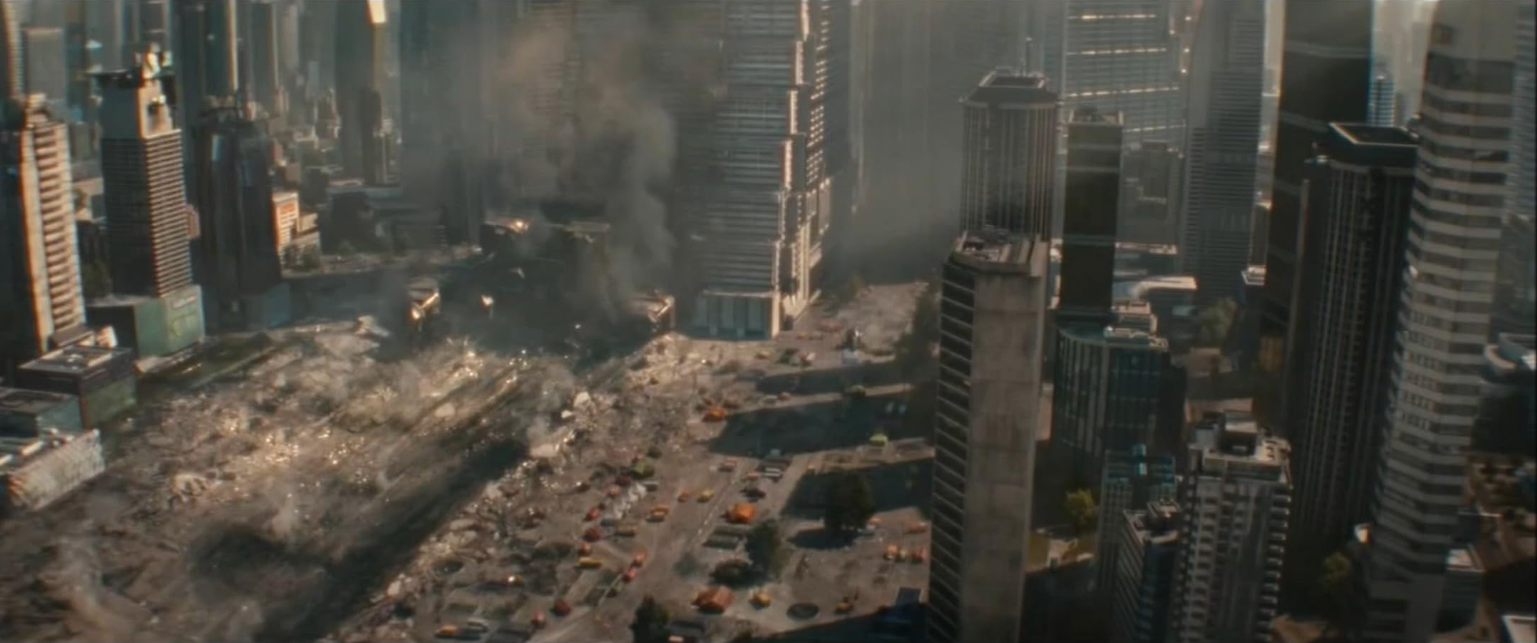
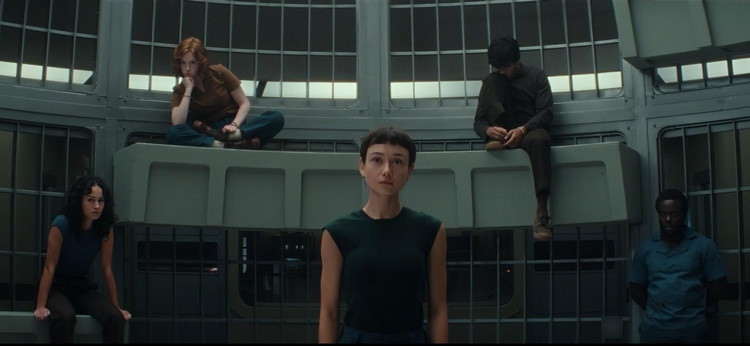
That sense of continuity extends all the way into production design and world-building. Gonzales points to the Maginot as a direct expression of that intent, describing it as “literally the hallways, the bridge, all that is exact” to the Nostromo aesthetic. But serialized storytelling also demands expansion, and one of Hawley’s most important creative choices was to build beyond the familiar.
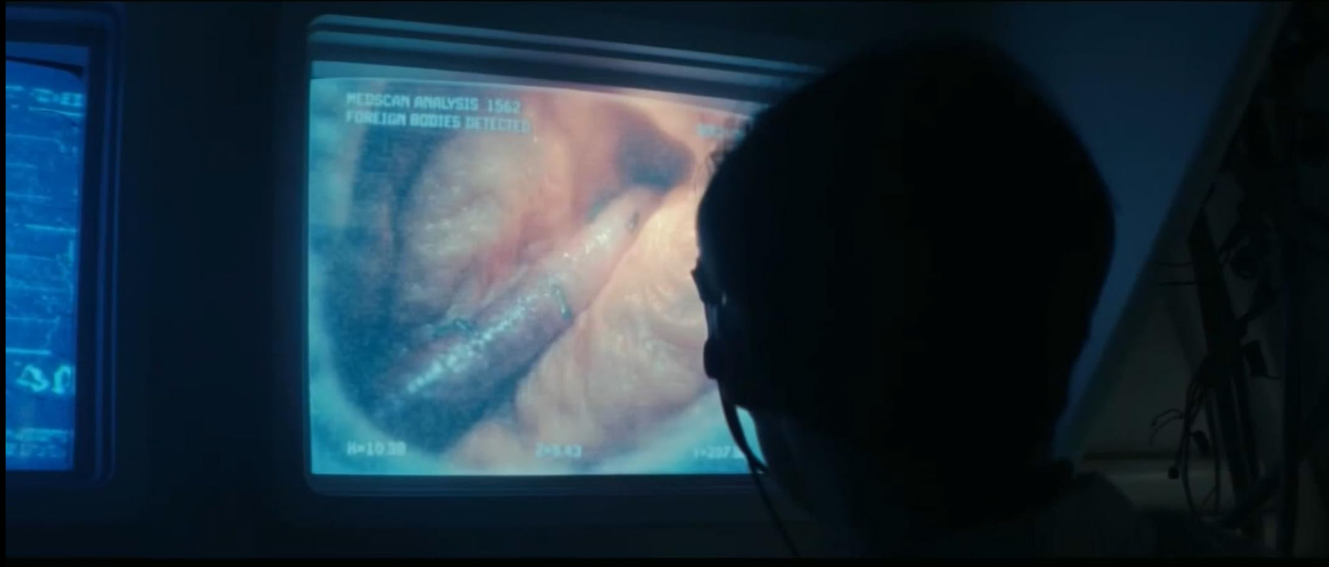
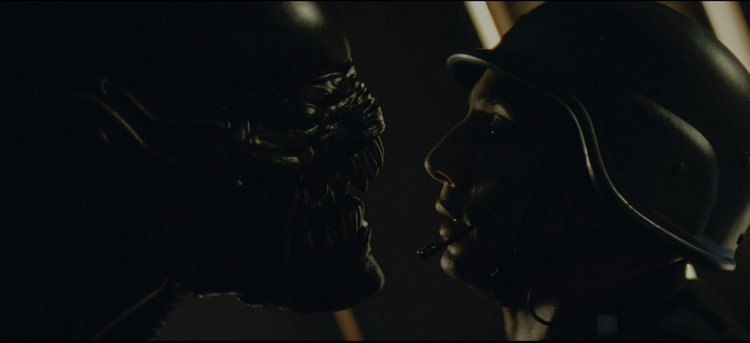
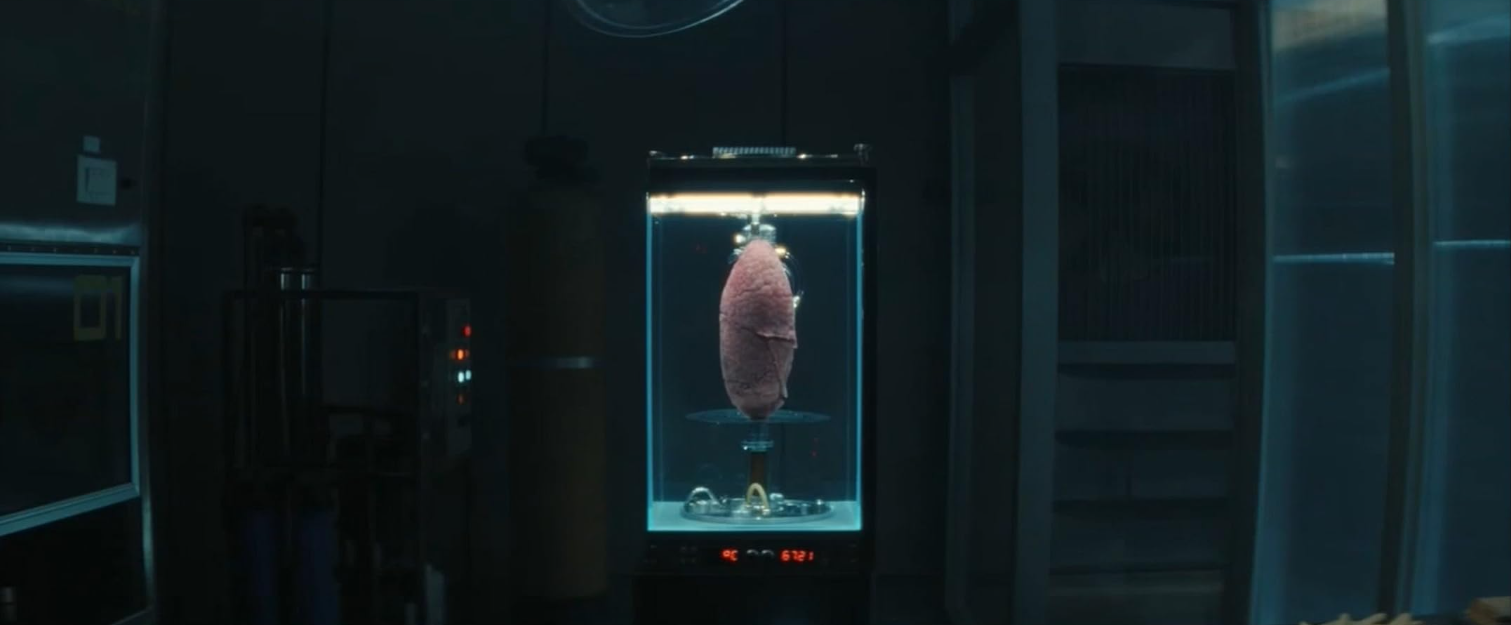
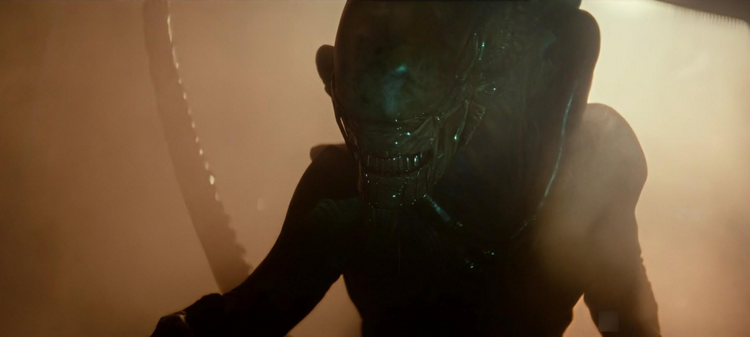
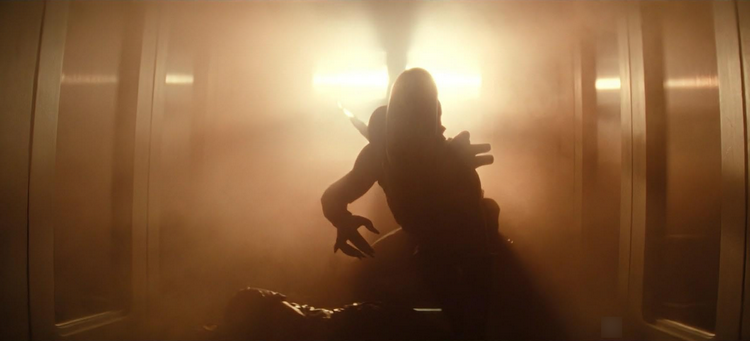
“The brilliant stroke,” Gonzales says, was introducing “these five new creatures.” The Xenomorph may be a fan favorite, but Gonzales is practical about the demands of long-form storytelling. “The Xenomorph probably won’t sustain the possible 50 hours of television that it’s going to be,” he says. “So you need to introduce these new creatures that are scary and interesting.” In that regard, ALIEN: EARTH is not simply preserving mythology, but widening it.
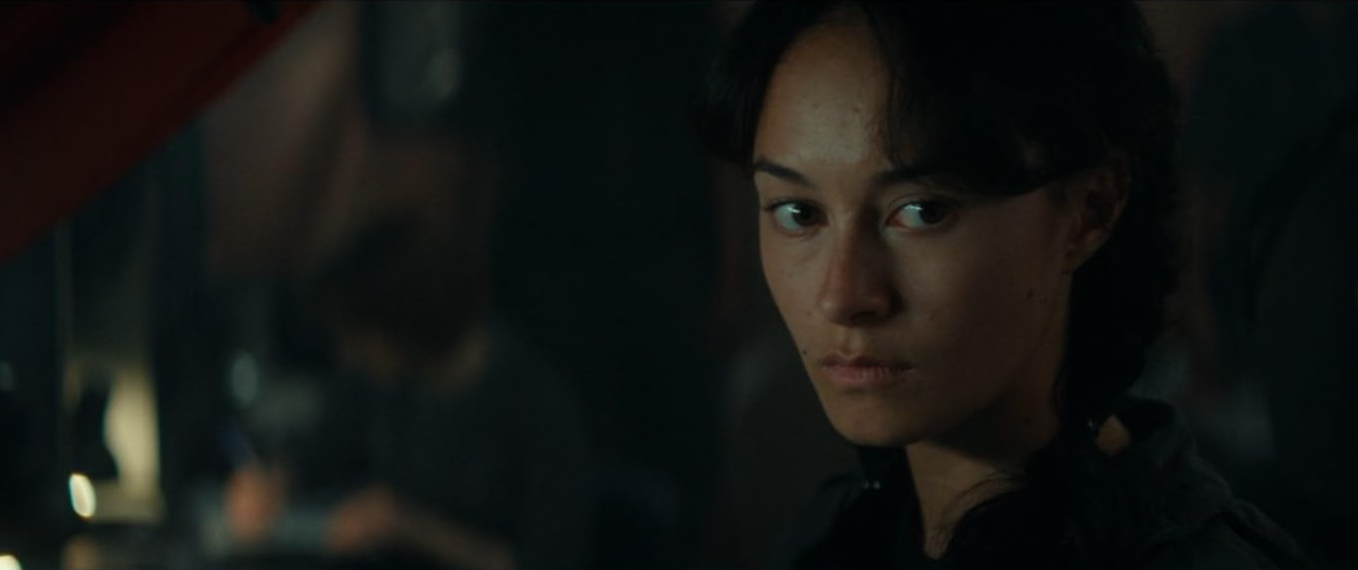
Just as important as creature design, however, is the emotional framework that holds the story together. Across Episodes 2 and 3 in particular, Gonzales helps establish the human core of the series through Wendy, Joe, Yutani, and Morrow, allowing key relationships and revelations to arrive early enough to matter emotionally rather than exist simply as delayed plot mechanics.
That approach is especially notable given the production challenges surrounding the shoot. Because of the SAG-AFTRA and writers’ strikes, Gonzales was forced into an unusual production order, beginning with Episodes 2 and 3 before much of Episode 1 had been fully filmed. “I literally started with episode two and three,” he says, which meant he had to guide actors into early emotional states and arcs before audiences would even see their formal introduction.
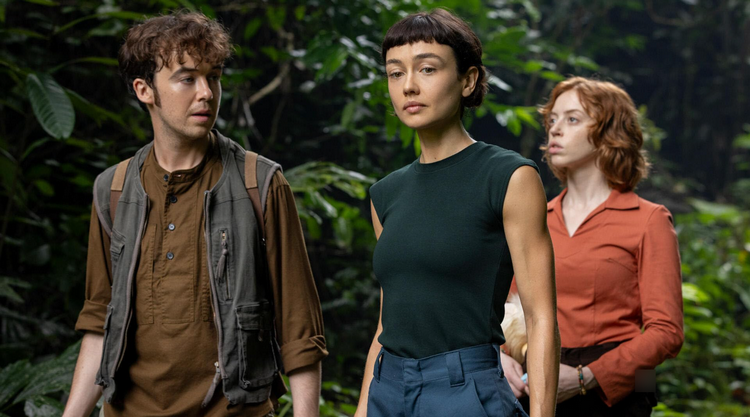
For the younger cast members in particular, that demanded both precision and patience. Gonzales had to place them in the mindset of 10- and 11-year-olds before their journey had even begun onscreen. “I had to introduce them as still very much 10-year-olds before they were even introduced in one,” he says. “And so I had to put them exactly there, then remind them that there’s an arc.” By the finale, innocence has eroded, but in those early episodes, Gonzales knew the performances had to begin in childhood truth. “Take that risk here,” he told them, because it would “pay off definitely by the season finale.”
To help build that foundation, the actors spent time in what Gonzales describes as a child-development-style process during prep, bonding, playing games, and reconnecting to youthful behavior and shared experience. By the time cameras rolled on Episodes 2 and 3, that preparation had already begun shaping the performances. “They definitely were more formed,” he says.
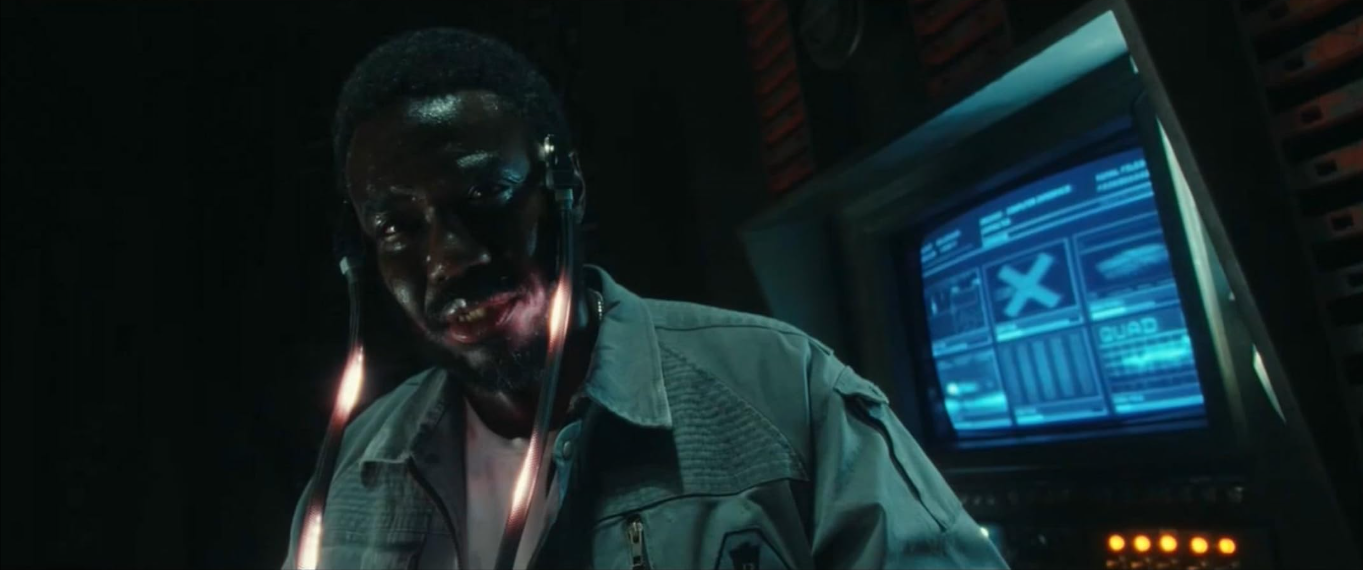
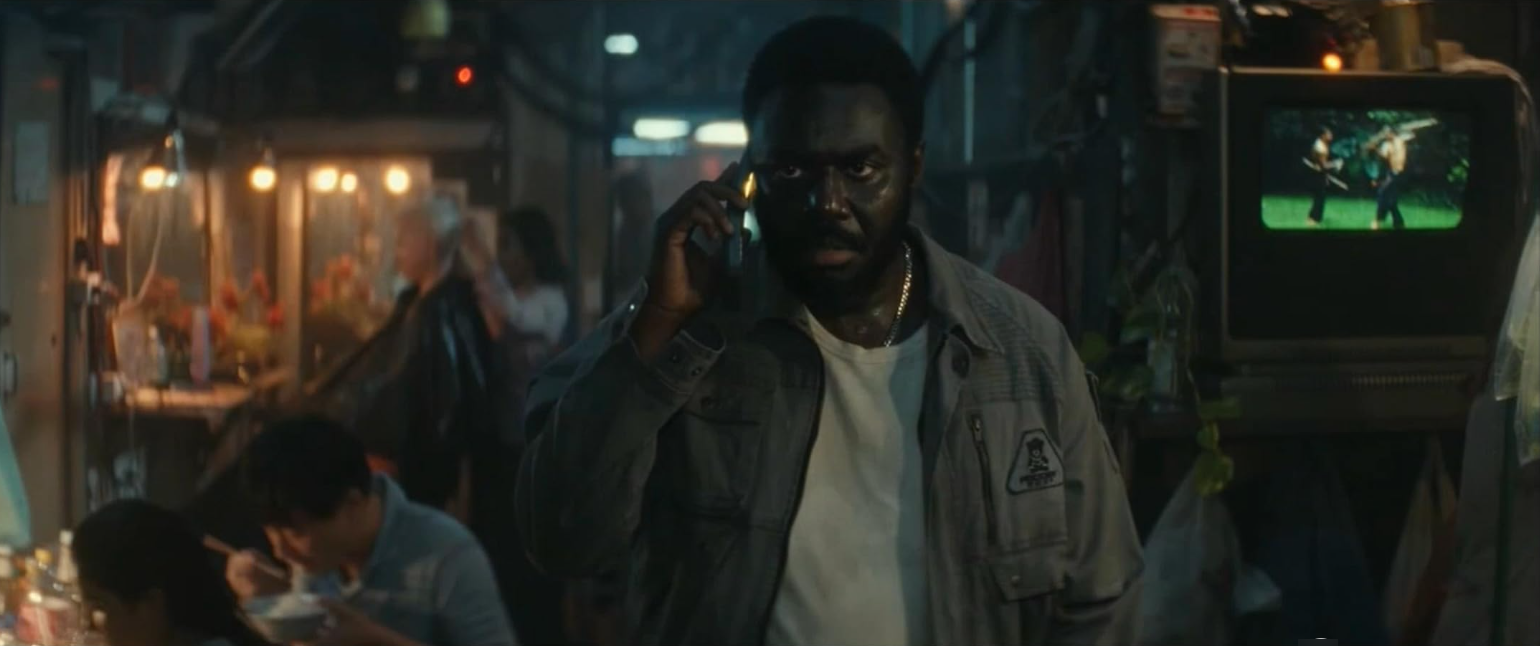
That sensitivity to emotional rhythm carries over into Gonzales’ work with the adult cast as well. Speaking about Babou Ceesay’s Morrow, Gonzales emphasizes the value of nuance over blunt instruction. “These aren’t big, broad corrections,” he says. “They’re not corrections ever—they’re like, ‘let’s explore this.’” It is an approach rooted in trust, and one that allows actors room to find depth in the material rather than merely execute it.
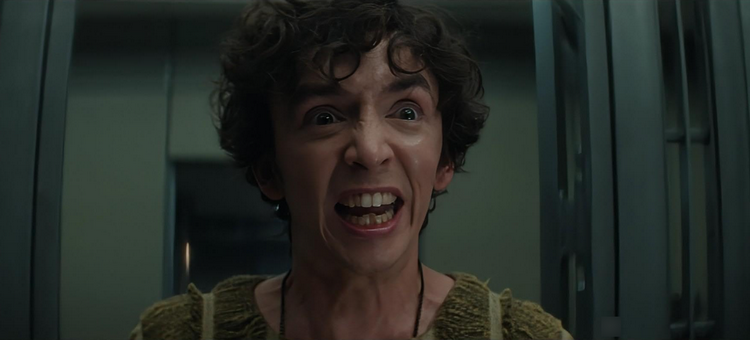
The same is true of his work with Samuel Blenkin as Boy, one of the most unpredictably compelling figures in the series. Gonzales describes Blenkin as “a tremendous actor that is up for anything,” and credits that willingness to take risks as central to shaping the character’s escalating instability. “He let himself go,” Gonzales says, and that freedom gave the performance its unnerving charge. “His risk-taking is why … it adds up.”
What makes Boy particularly effective is not just the performance itself, but the way Gonzales visually tracks his descent. There is a marked progression in framing over the course of the season, moving from wider observational setups into increasingly intimate, invasive images that place the audience inside Boy’s demented point of view. Gonzales does not separate performance from camera; the two are in constant dialogue.
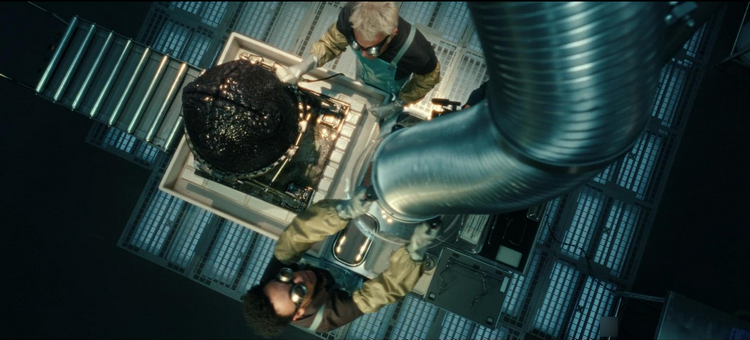
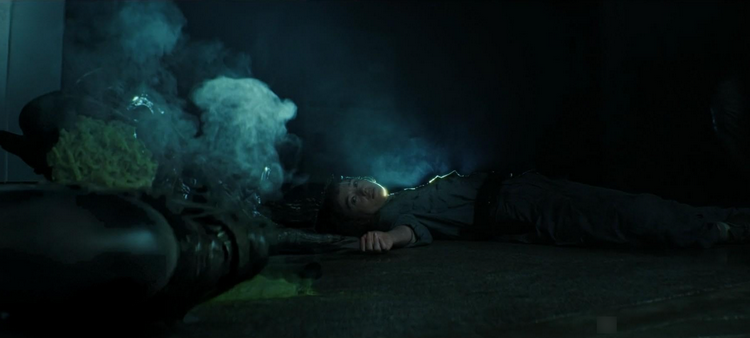
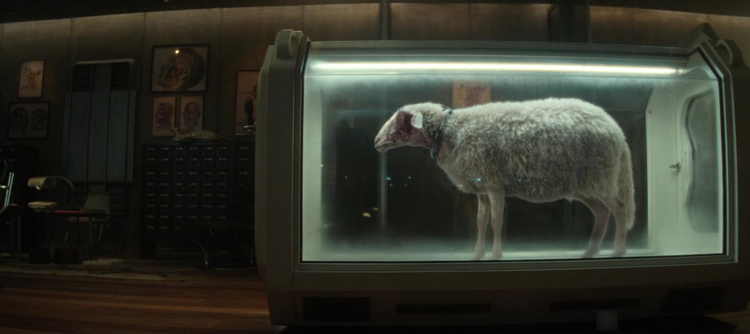
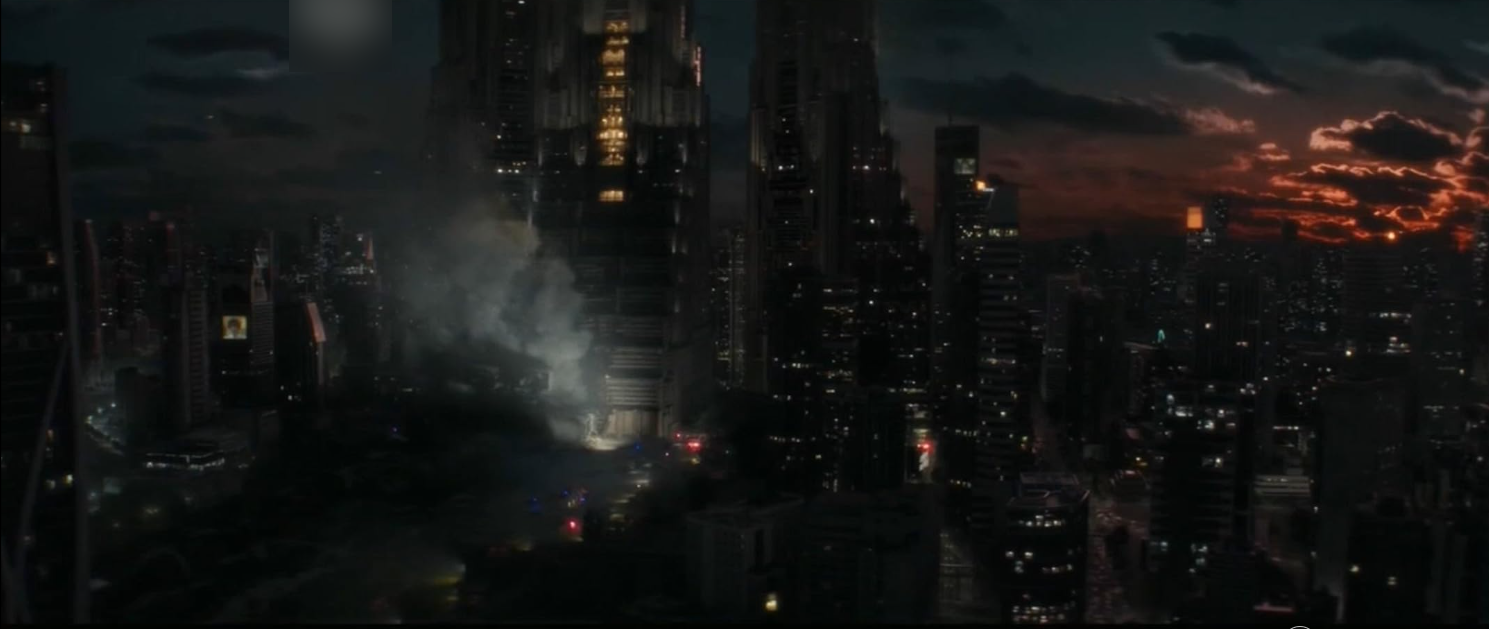
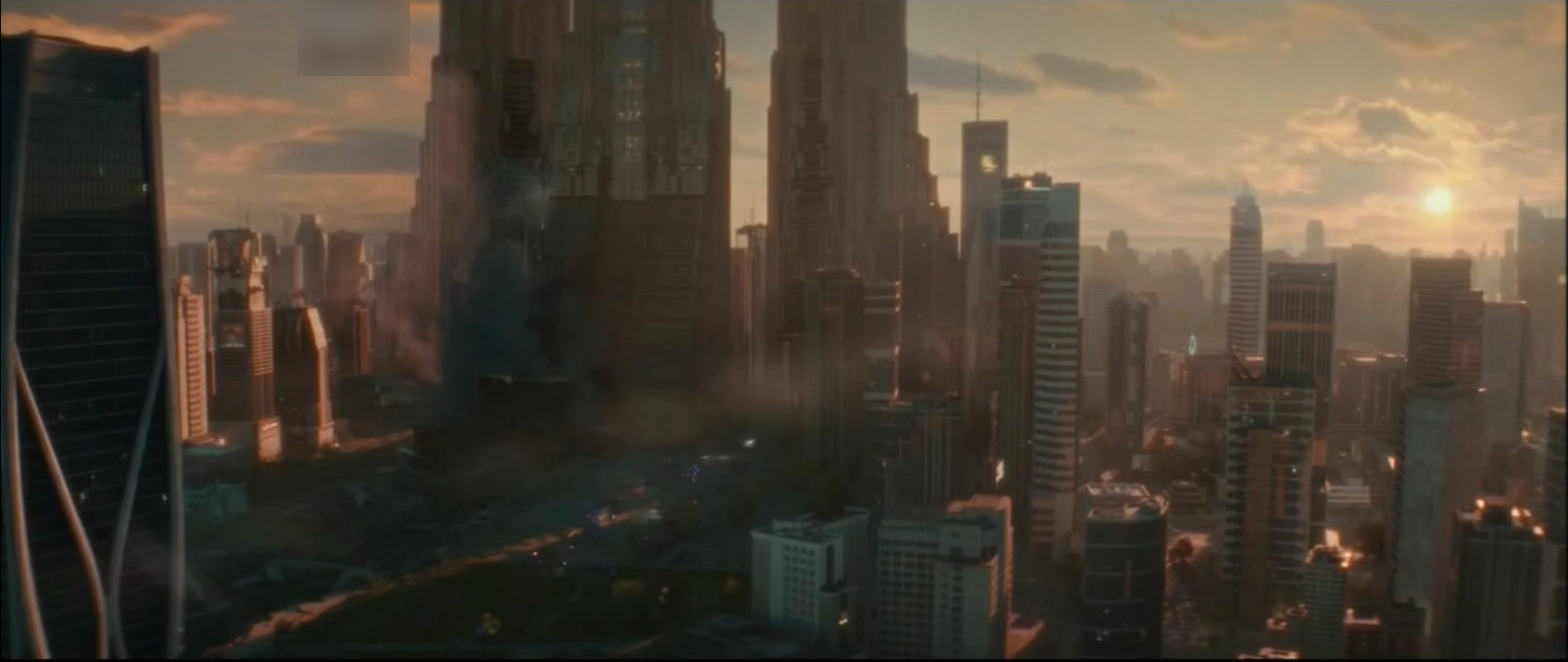
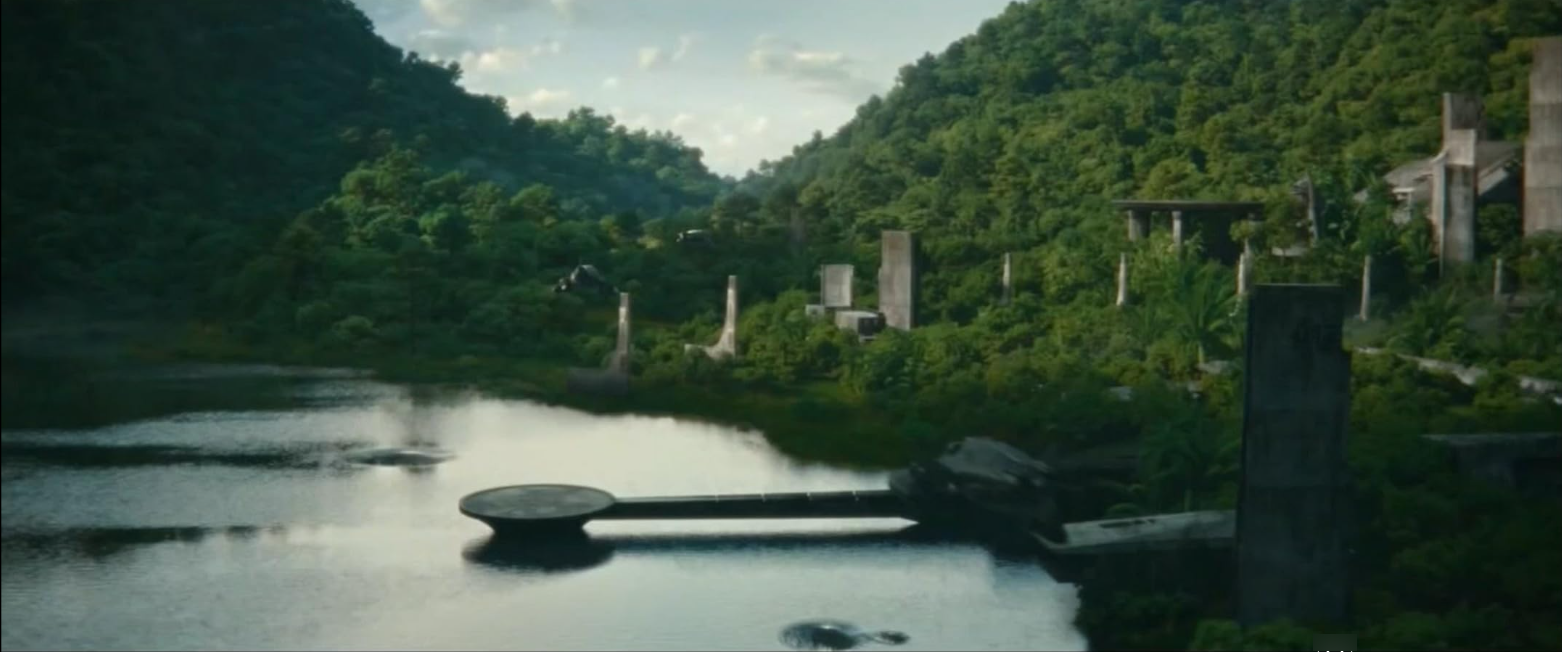
That interplay extends throughout the season and reflects Gonzales’ long-honed cinematographer’s eye. His work across the series demonstrates a clear understanding of visual tonal bandwidth, especially in the shift from the controlled interiors of Prodigy and the Maginot to the more organic, expansive world outside in Episodes 7 and 8. That change is not merely scenic. It fundamentally alters the emotional and visual grammar of the series.
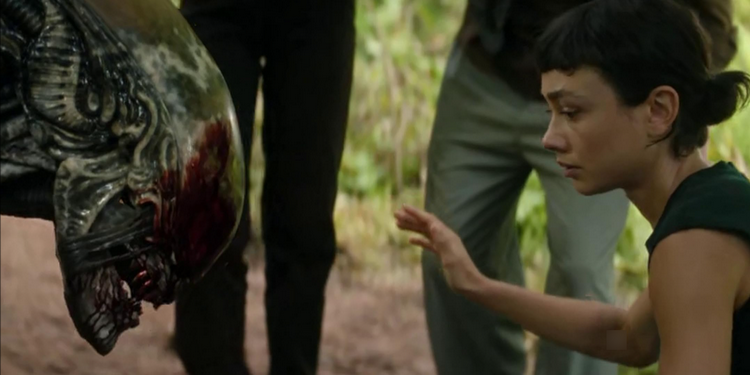
Gonzales saw that outdoor transition as critical, particularly in relation to Wendy’s connection with the Xenomorph. “It can’t just be this very mysterious moment,” he says. “It needs to be real.” Rather than treating the creature solely as a fleeting horror-image glimpsed in fragments, Gonzales makes the deliberate choice to hold on the relationship, to let the audience sit with it and believe in it. “It’s something that you can hold on to and see,” he says. “And that was simply a choice.”
The result is a reframing of the Xenomorph not as a jump-scare mechanism, but as a sustained narrative presence. Gonzales understood that this carried some risk. “Some people are like, whoa, whoa, whoa—that’s maybe too much,” he says. But for him, it was essential to the future of the story. “It’s a very important thing for the future, and you have to establish that relationship.”
That same commitment to emotional immediacy can be seen in Gonzales’ use of visual devices such as superimpositions and reflective imagery, particularly in moments involving the Lost Boys and their fractured relationship to former selves. These choices are not ornamental. They are emotional shortcuts of the best kind—ways of placing the audience inside a character’s state of mind without over-explaining it.
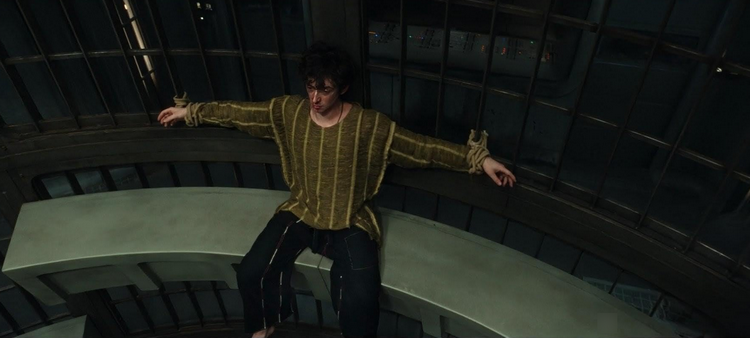
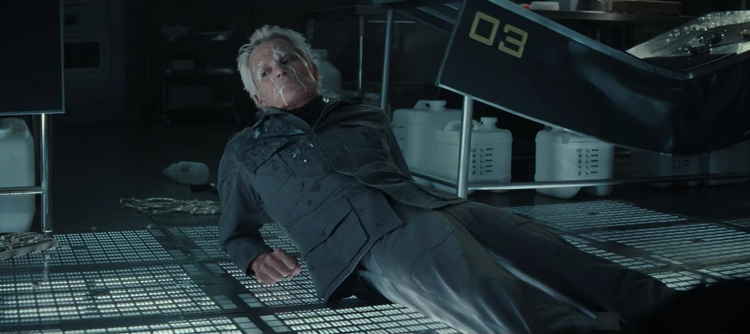
“How do you put the audience into the emotion quickly?” Gonzales asks. For him, that is the key question. The answer lies in using the image not as illustration, but as feeling. “I think it is beautiful,” he says of those choices, “and I do enjoy it as a storytelling device.”
Preparation is central to Gonzales’ process, but so is leaving room for discovery. He storyboards larger sequences and shot-lists every scene, a discipline he describes as part of his creative homework. “I shot-list everything,” he says. “It’s like my homework, and it helps me with the beats of everything.” That work happens before production, but it is never meant to lock the set into rigidity. “I have all the ammunition,” he says. “I have everything I need.”
And then comes the part Gonzales loves most. “The discovery happens there,” he says of being on set, watching actors move through a space, seeing blocking respond to production design and camera placement, and finding those unexpected moments no amount of prep can manufacture. “That’s where the magic happens.”
That balance between preparation and spontaneity also shapes his editorial philosophy. Gonzales works with editors Regis Kimball and Robin August, both veterans of Hawley’s narrative rhythms, and he trusts their institutional knowledge while remaining clear about his own intentions. “We don’t shoot like we’re building an edit,” he says. “We take risks, and we commit.” That sense of commitment gives the episodes their shape from the outset, while the editors’ familiarity with Hawley’s sensibility helps refine pacing and preserve tonal cohesion.
Gonzales is generous in describing that process, emphasizing collaboration rather than ownership. “I really like to trust people on what they do,” he says, “and celebrate what people do and get the best out of them.” It is a philosophy that speaks not only to his work as a director, but to his larger role as an executive producer helping guide the overall identity of the series.
At its core, ALIEN: EARTH is a story about humanity—how it persists, how it erodes, and how it manifests in unexpected forms, whether in children, synthetics, hybrids, or monsters. Through Gonzales’ direction, those questions are not simply embedded in dialogue or plot, but in performance, pacing, framing, and emotional emphasis.
In navigating the space between legacy and innovation, Dana Gonzales has done more than contribute to the Alien universe. He has helped redefine the visual and emotional language through which it can continue to evolve.
by debbie elias, exclusive interview 04/07/2026
Season One of ALIEN: EARTH is streaming on Hulu and Disney+ and available on FX Networks.