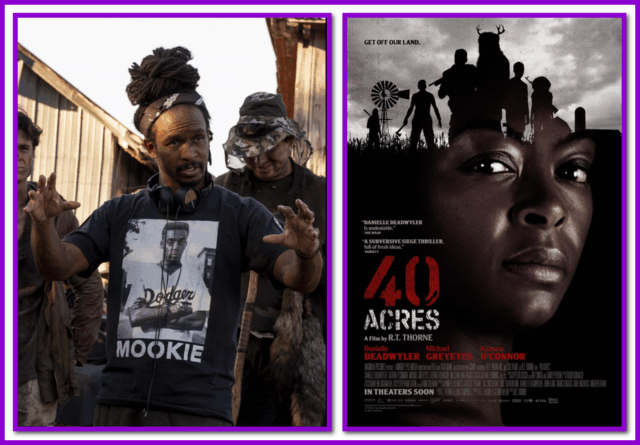
Director R.T. THORNE discusses the character-driven post-apocalyptic thriller 40 ACRES in this exclusive interview. 40 ACRES marks Thorne’s narrative feature directorial debut.
SYNOPSIS: A bold, no-holds-barred action-thriller from debut filmmaker R.T. Thorne starring acclaimed actress Danielle Deadwyler, 40 ACRES is set in a famine-decimated near future where a former soldier (Deadwyler) and her family struggle to safeguard their farm as they make one last stand against a vicious militia hell-bent on taking their land.
After a plague eradicates all animal life, famine spreads across the globe, leaving society at war and in ruins, but the Freemans are surviving — even thriving — on their ancestral farm so long as they dispatch the occasional raiding party. But what good is surviving the end of the world if it means snuffing out your own humanity? Former soldier Hailey (Deadwyler) made that choice years ago, believing that isolation was the only way to protect her family. She and her partner Galen (Michael Greyeyes), fled the collapse along with their children, fenced them off from the world, and trained them to fight (and, yes, kill). But now Hailey’s eldest, Emanuel (Kataem O’Connor), is a young man, and when he meets a young woman (Milcania Diaz-Rojas) in the forest beyond the fence, his need for human contact could place the whole family in jeopardy.
Directed by R.T. THORNE and co-written by Thorne together with Glenn Taylor and Lora Campbell, 40 ACRES stars, among others, Danielle Deadwyler, Kataem O’Connor, Michael Greyeyes, and Milcania Diaz-Rojas.

In this exclusive interview, R.T. THORNE discusses 40 ACRES, emphasizing its character-driven narrative centered on a mother-son relationship and the broader family story. Exploring themes of survival, trust, and cultural preservation, set against a post-apocalyptic backdrop, Thorne highlights the importance of historical knowledge and cultural practices for the family’s resilience. The film’s visual style, enhanced by cinematographer Jeremy Benning and production designer Peter Cosco, creates a rich, immersive world. The score, composed by Todor Kobakov, adds to the film’s tension and energy. Thorne also credits his editors, Sandy Pereira and Dev Singh, for their crucial role in the film’s success.
As we quickly learn from R.T. THORNE, the Covid-19 pandemic strongly impacted the telling of 40 ACRES with heightened themes of mistrust and survival by creating a real-world scenario of fear and isolation. As R.T. explained, during the early months of the pandemic, people became wary of shared spaces and each other, pulling inward and questioning trust. This experience directly influenced the film’s exploration of a family circling the wagons and questioning whether they can survive by staying isolated or if they need to engage with the outside world. The pandemic demonstrated how quickly social dynamics can shift, providing rich narrative territory for examining human resilience, trust, and survival strategies across different genres and settings.
But the pandemic isn’t the only influence on 40 ACRES. R.T. drew much inspiration from his mother and his upbringing. As an immigrant who experienced discrimination, she was a strict disciplinarian who emphasized the importance of learning one’s own history. She didn’t trust institutional education and would have her children do book reports and read works by authors like Octavia Butler. His mother’s approach to education and survival deeply influenced the film’s core themes. Thorne wanted to explore the mother-son relationship and how generational knowledge is passed down, particularly in challenging circumstances. The mother character in the film reflects his own mother’s philosophy of survival through cultural knowledge, agricultural practices, and understanding one’s heritage. Thorne described having great reverence for his mother and wanted to create a narrative that celebrated how mothers equip their children with the tools to navigate difficult worlds. Her insistence on learning history and maintaining cultural practices became a central narrative and thematic element in 40ACRES, showing how ancestral wisdom can be a powerful survival mechanism.
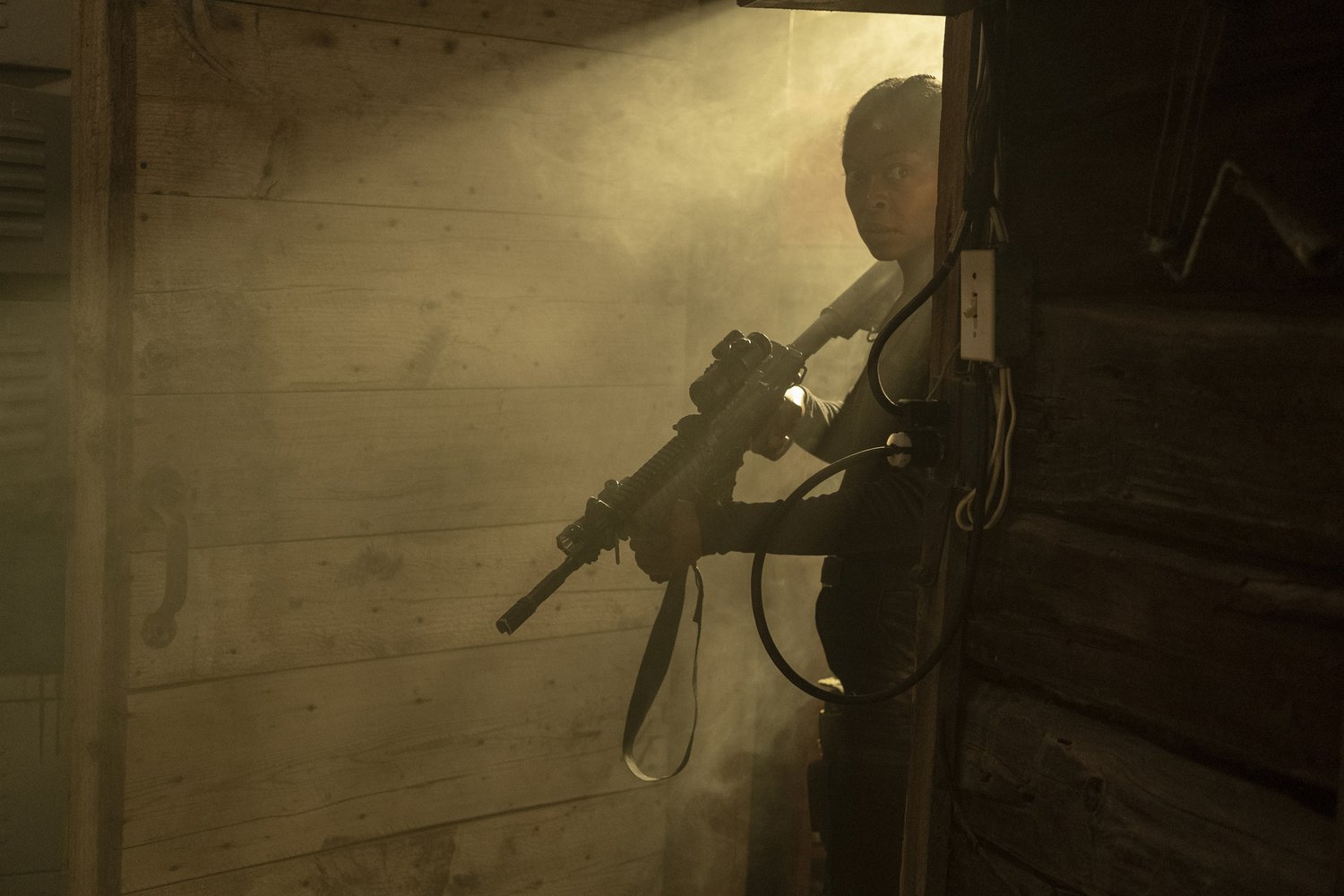
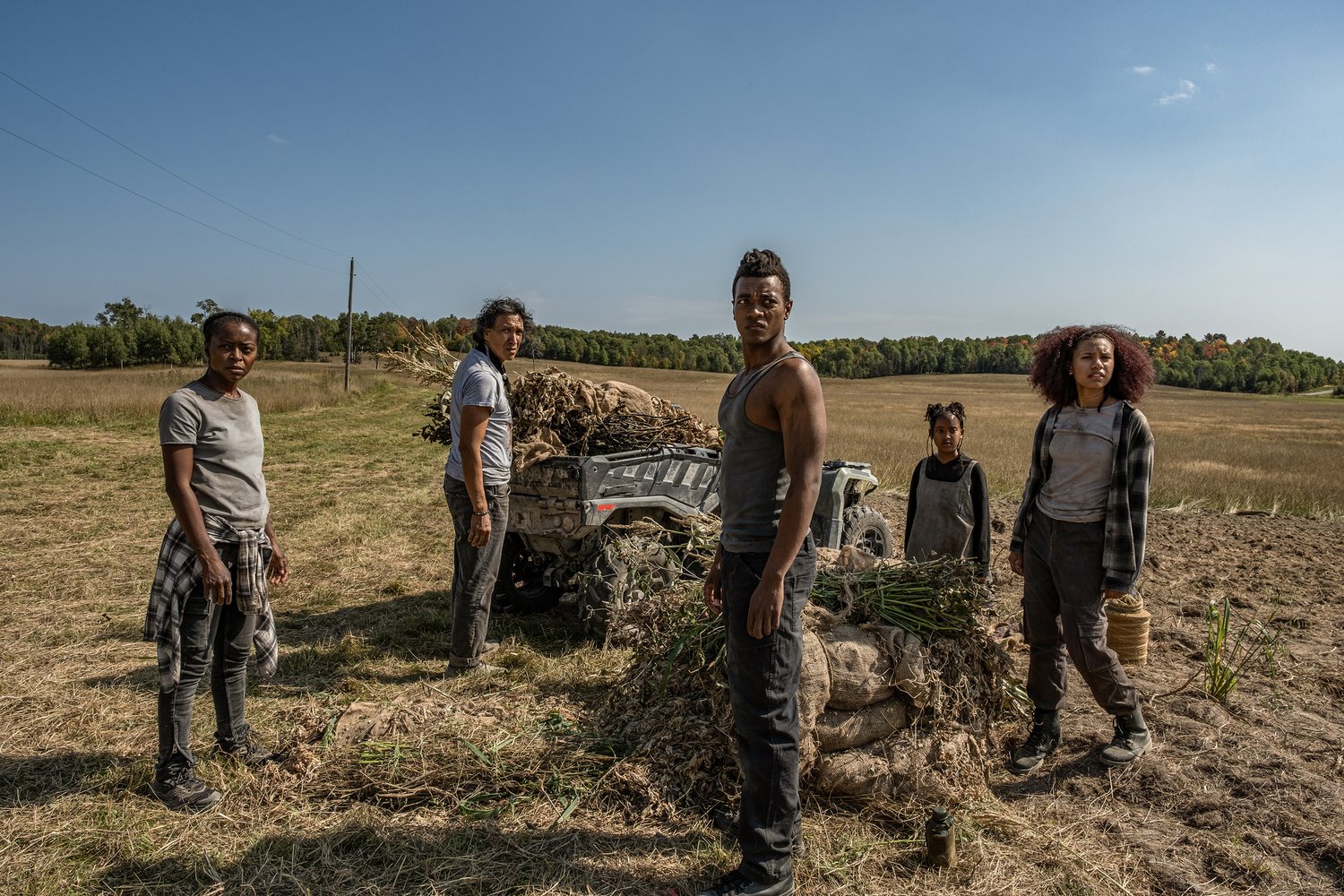
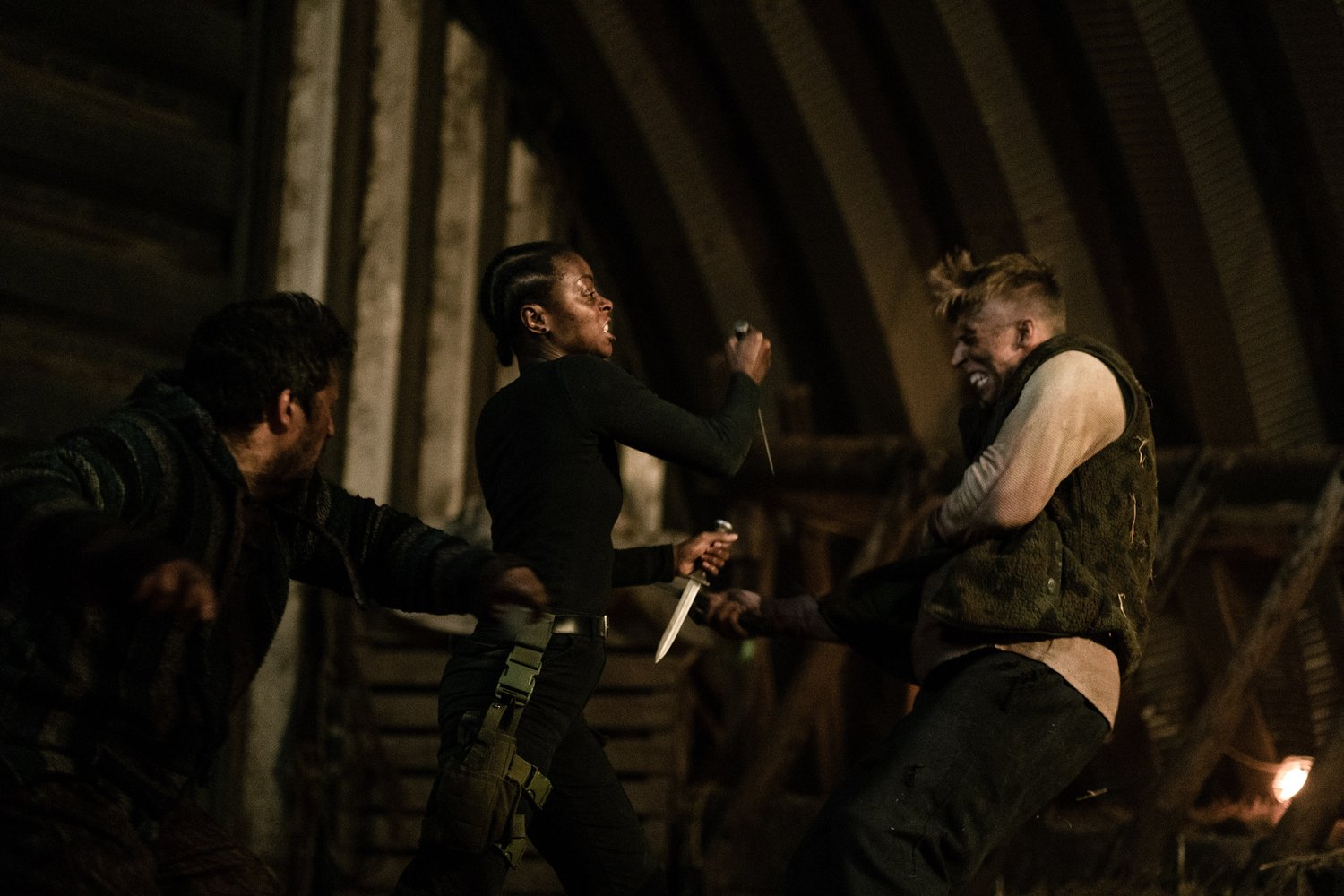
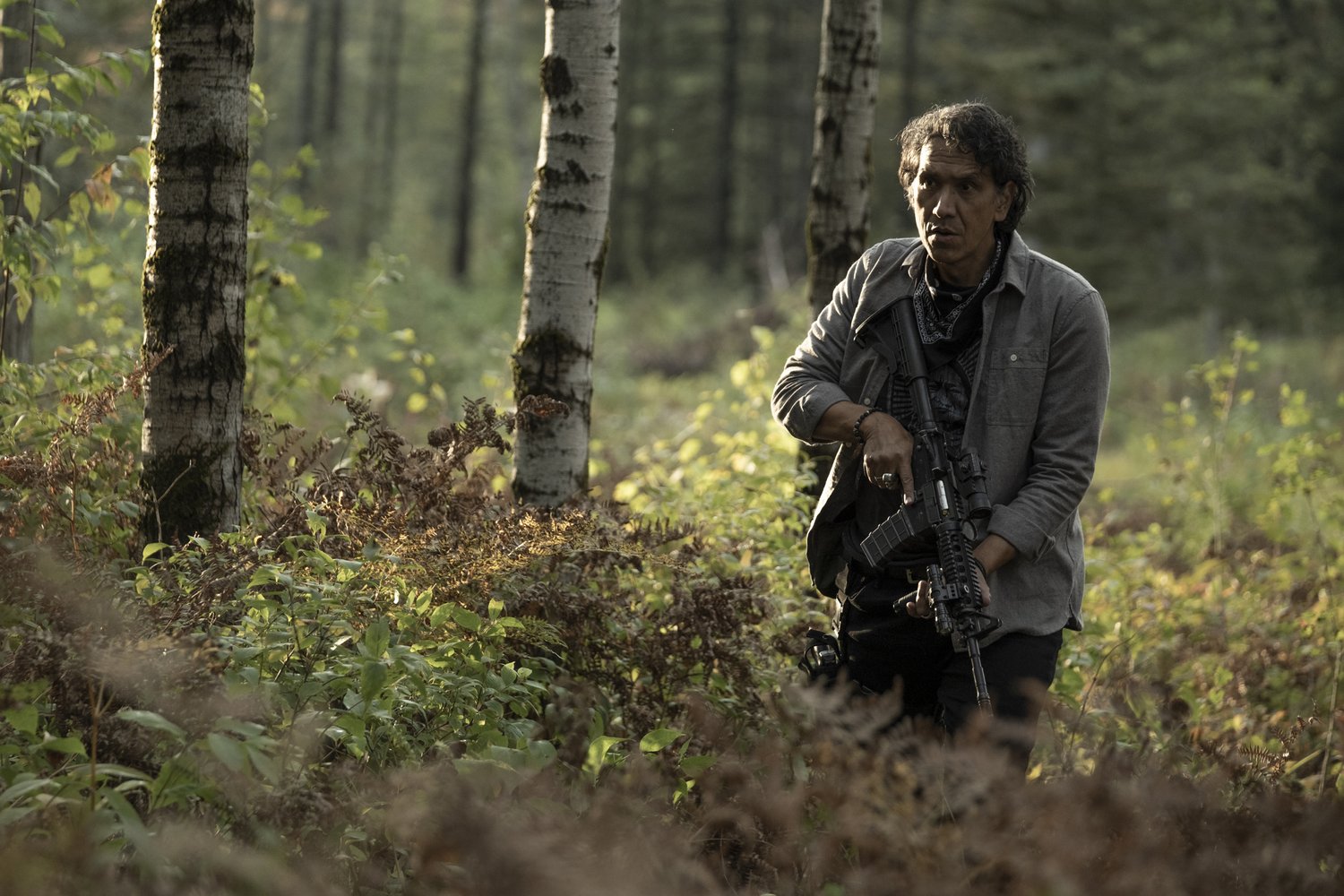
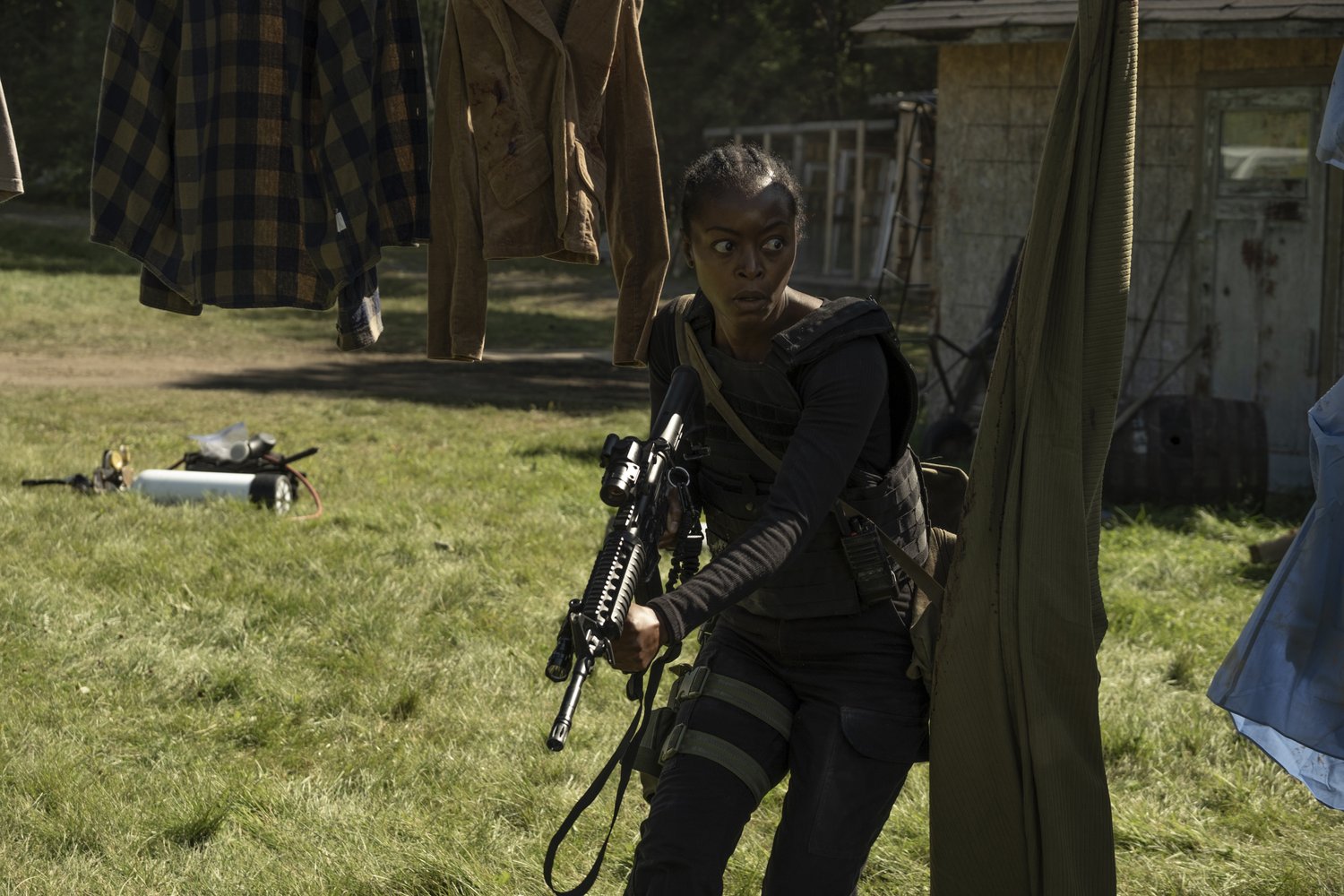
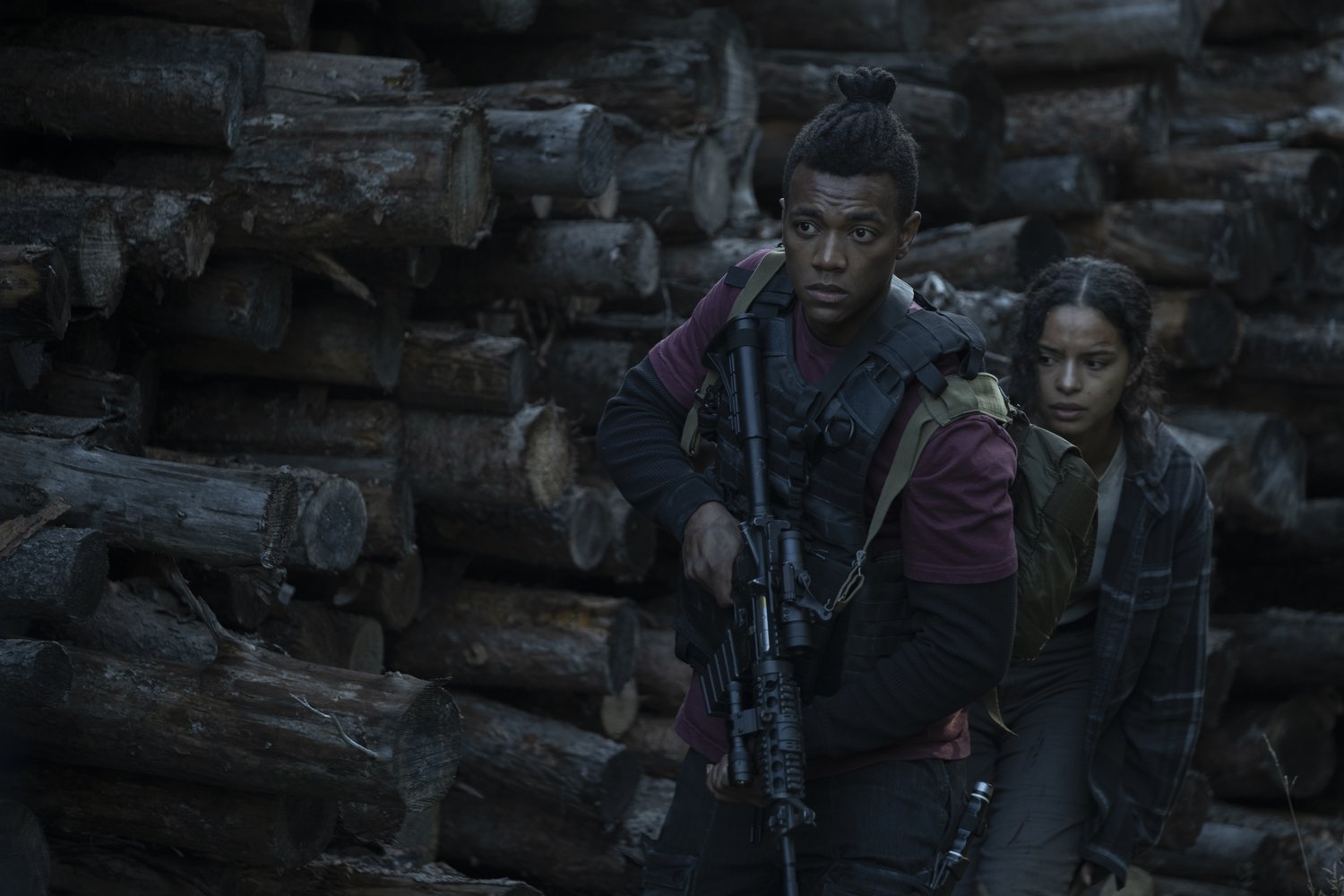
Wanting to create a character-driven thriller where the stakes are incredibly high, Thorne intentionally blended the mother-son relationship with genre elements to show how the family’s survival depends on listening and trusting each other. By setting the story in a post-apocalyptic world, he could amplify the tension and make the generational conflict more immediate – if the son doesn’t listen to his mother, it could literally mean life or death. The goal was to have audiences deeply invested in the characters first, then put them through intense, thrilling scenarios that test their family bonds and survival skills. This approach allows the suspense to emerge organically from the characters’ relationships and personal dynamics, rather than feeling like artificially imposed genre conventions.
Emphasizing shooting on location as vitally important for authentically portraying the family’s relationship with the land, R.T. wanted an isolated farm that would take 10 minutes to walk across, creating a sense of reality for the actors. Working with cinematographer Jeremy Benning, they deliberately avoided the typical post-apocalyptic visual style of barren, colorless landscapes. Instead, they aimed to show the family thriving, using a color palette that felt alive and beautiful. Benning understood the film’s themes of nature’s inherent beauty, even in a challenging world. The production designer, Peter Cosco, added depth by incorporating contemporary references like burnt-out school buses, which hinted at the world’s collapse while also showing remnants of past technology and how spaces are repurposed in this post-apocalyptic world. Thorne wanted the sets to feel authentic and help actors understand their relationship to the land and environment, so each design element was carefully considered to contribute to the film’s overall narrative and atmosphere. Two standout sets include the Freeman homestead and an underground bunker complete with a detailed ham radio setup. Together, this triumvirate created a visual grammar that showed the family’s resilience and connection to their environment, making the post-apocalyptic setting feel organic and lived-in rather than stark and empty.
The editing process was a challenge for R.T. and his team of editors, Sandy Pereira and Dev Singh. They took time to carefully balance character development with the film’s thrilling elements, emphasizing the importance of character-driven storytelling. Sandy and Dev worked to refine the film, sometimes cutting beloved scenes to ensure the narrative spoke effectively to the audience. Thorne wanted viewers to fall in love with the characters first, then experience the intense, chilling moments that emerge from their deep emotional foundation. The goal was to create a film where the audience is fully invested in the characters before being “thrown to the wolves” with suspenseful plot elements.
Not to overlook an important piece of the cinematic pie, R.T. can’t say enough about composer Todor Kobakov’s score and how crucial it was to the film’s atmosphere. Instead of using traditional instruments, Kobakov created a unique, organic score by recording natural sounds – ripping bark, rolling rusted barrels, and sniffing wires – which he then transformed into percussion. The goal was to create a score that was intentionally unsettling and nervous, generating a frantic energy that kept the audience on edge. Thorne specifically wanted to avoid a sweeping, conventional score, preferring instead a sound that made viewers feel they needed to “be on their toes.” The music was designed to be less about traditional melody and more about creating an organic, slightly anxious emotional landscape that complemented the film’s survival themes. This score is so distinctive and textured, that R.T. hopes it might be released separately for audiences to appreciate. Once you hear it, you’ll hope it’s released as a soundtrack, too.
Hopefully, R.T. THORNE continues with narrative features that explore different cultural contexts where family knowledge and ancestral wisdom are critical for survival, and create narratives that highlight intergenerational dialogue and mutual learning between older and younger generations as cultural groups maintain their identity and resilience in times of significant social or environmental change. 40 ACRES is a film for our times.
TAKE A LISTEN. . .
by debbie elias, exclusive interview 06/27/2025
40 ACRES is in theatres on July 2, 2025.