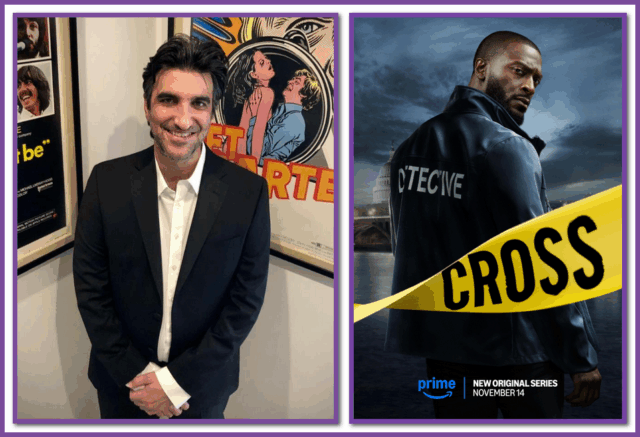
Editor STEVEN LANG goes in-depth in this exclusive interview discussing the editing of Prime Video’s CROSS, including the explosive first season finale.
SYNOPSIS: CROSS brings James Patterson’s legendary detective Alex Cross to life in a gripping series packed with suspense, action, and psychological depth. Starring Aldis Hodge as the brilliant yet haunted investigator, the show delves into Cross’s mind as he hunts dangerous criminals while battling his own demons. With intense storytelling and a fresh take on the beloved character, CROSS is a must-watch crime thriller. In Season One, CROSS follows Alex Cross, a decorated D.C. homicide detective and forensic psychologist who faces a sadistic serial killer leaving a string of bodies strewn around the city. As Alex and his partner, John Sampson (Isaiah Mustafa), track this killer, a mysterious threat from Cross’ past appears, aiming to destroy what he’s done to keep his grieving family, career, and life together.
Created by Ben Watkins, CROSS stars, among others, Aldis Hodge, Isaiah Mustafa, Ryan Eggold, Alona Tal, Johnny Ray Gill, Eloise Mumford, Juanita Jennings, Jennifer Wigmore, Sharon Taylor, and Karen Robinson.
Editor STEVEN LANG, known for his decades of impeccable work editing scripted television episodics, was tasked with editing three episodes of CROSS; to wit, Episode 5 – “What Happened at Ramsey’s?”, Espisode 6 – “A Bang, Not A Whimper”, and the season one finale, Episode 8 – “You Had Me At Motherfucker”. Interesting is that with Episode 5, we see a tonal shift within the series as a whole, making Steven’s work pivotal.
As we break down each of the three episodes and view them within the scope of the series, Steven discusses his work on each, including the tonal shift in Episode 5 and the emotional payoff in Episode 8. It may surprise many, but important to his editing process on CROSS is Elisa Suave’s production design, as well as the expected sound design, and his collaboration with multiple directors – Stacey Muhammed on episodes 5 and 6, and Carl Seaton on episode 8 – and the composers, Ali Shaheed Muhammad and Adrian Younge.
Stephen explained that working with new directors on episodes involves several key steps:
- He attends tone meetings with the show’s creator (Ben Watkins) where scenes are discussed scene by scene, giving directors a chance to ask questions and understand the show’s vision.
- He listens to what Ben is looking for, which helps him understand the desired tone and approach.
- He reviews dailies and gets a sense of the new director’s style, noting that he didn’t feel Episode 8 with Carl Seton was dramatically different from previous episodes.
- He’s open to “happy accidents” in footage and focuses on ensuring the overall feel remains consistent with the show’s established tone.
- He may have more conversations about specific performance choices or shot preferences with a new director.
The key is maintaining the show’s established rhythm and narrative style while being flexible and collaborative with each new director.
Emphasizing the need for rhythm and pacing in editing, Steven noted the challenges of working with different directors and the importance of continuity. A meticulous process, it is crucial to maintain tension and narrative coherence in a show like CROSS.
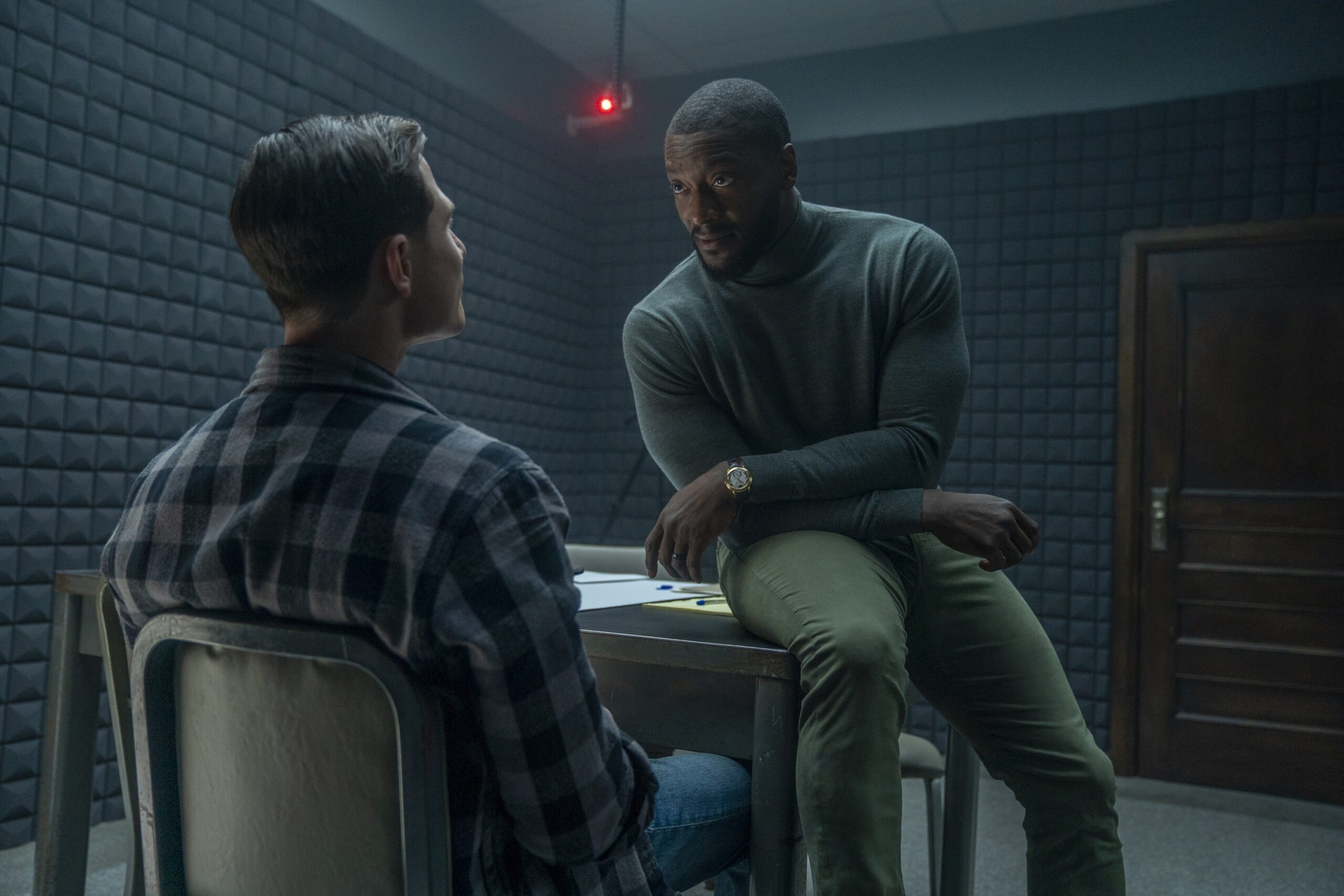
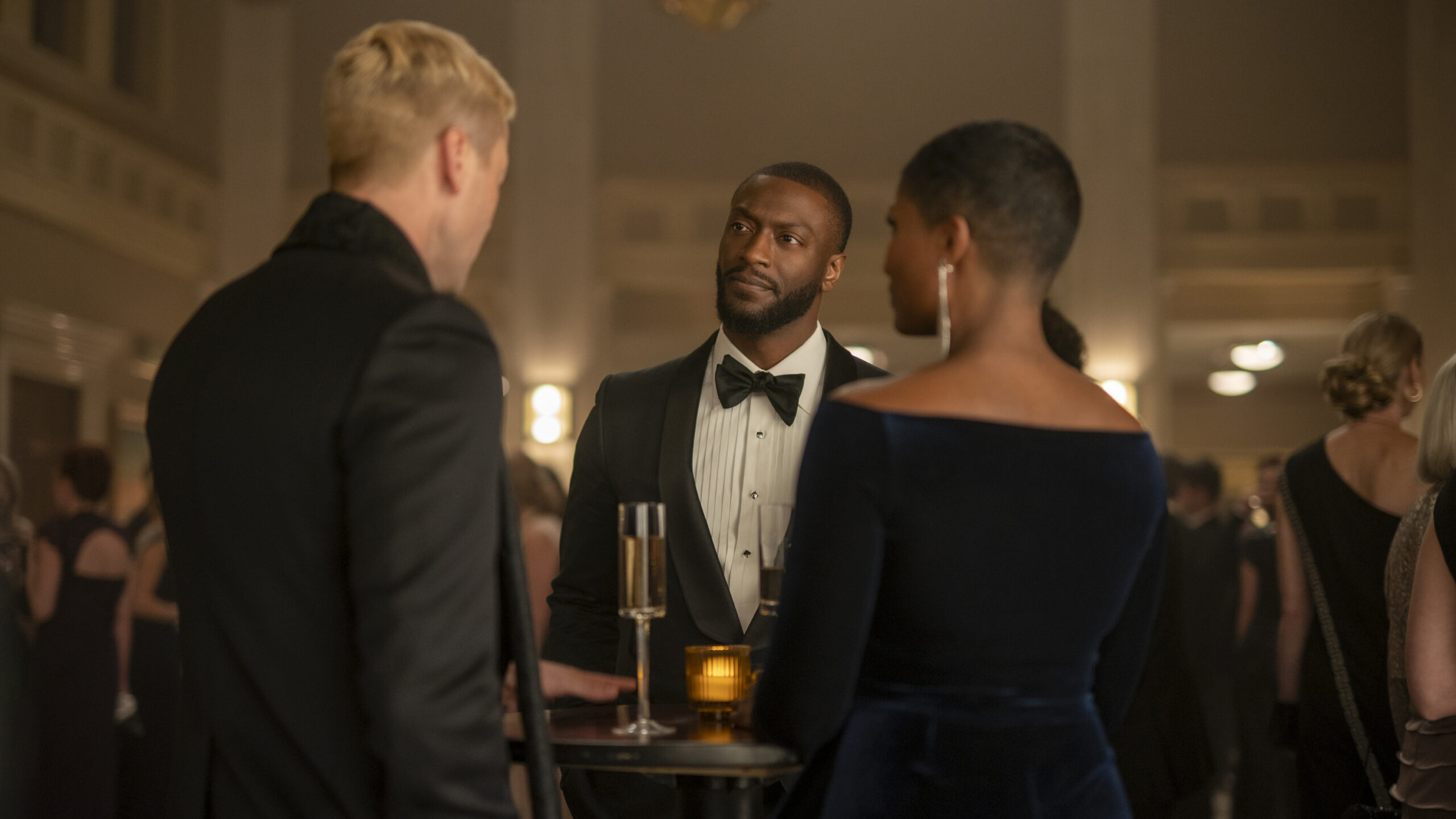
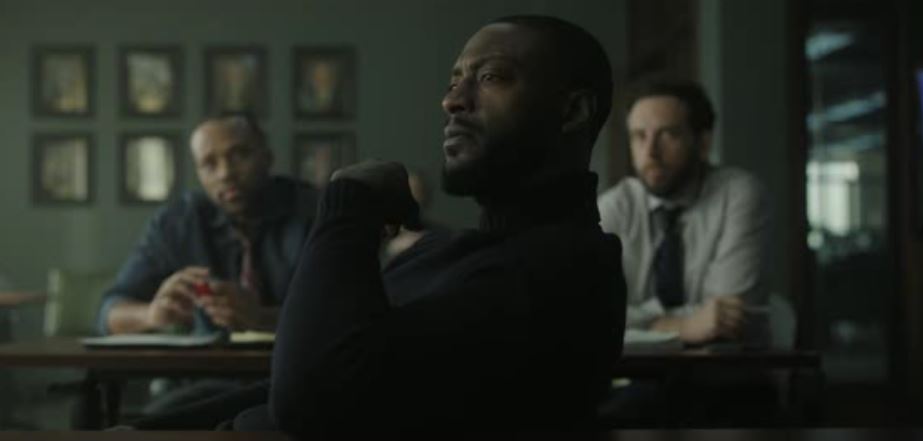

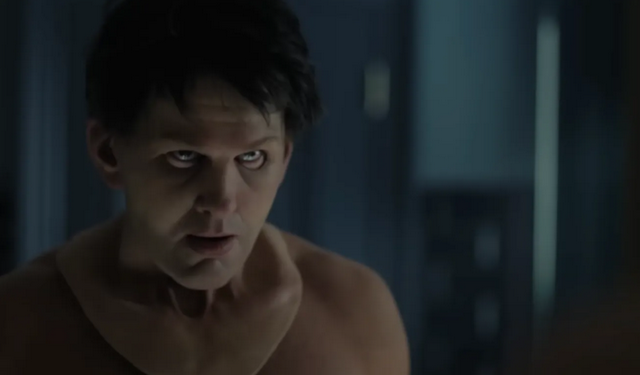
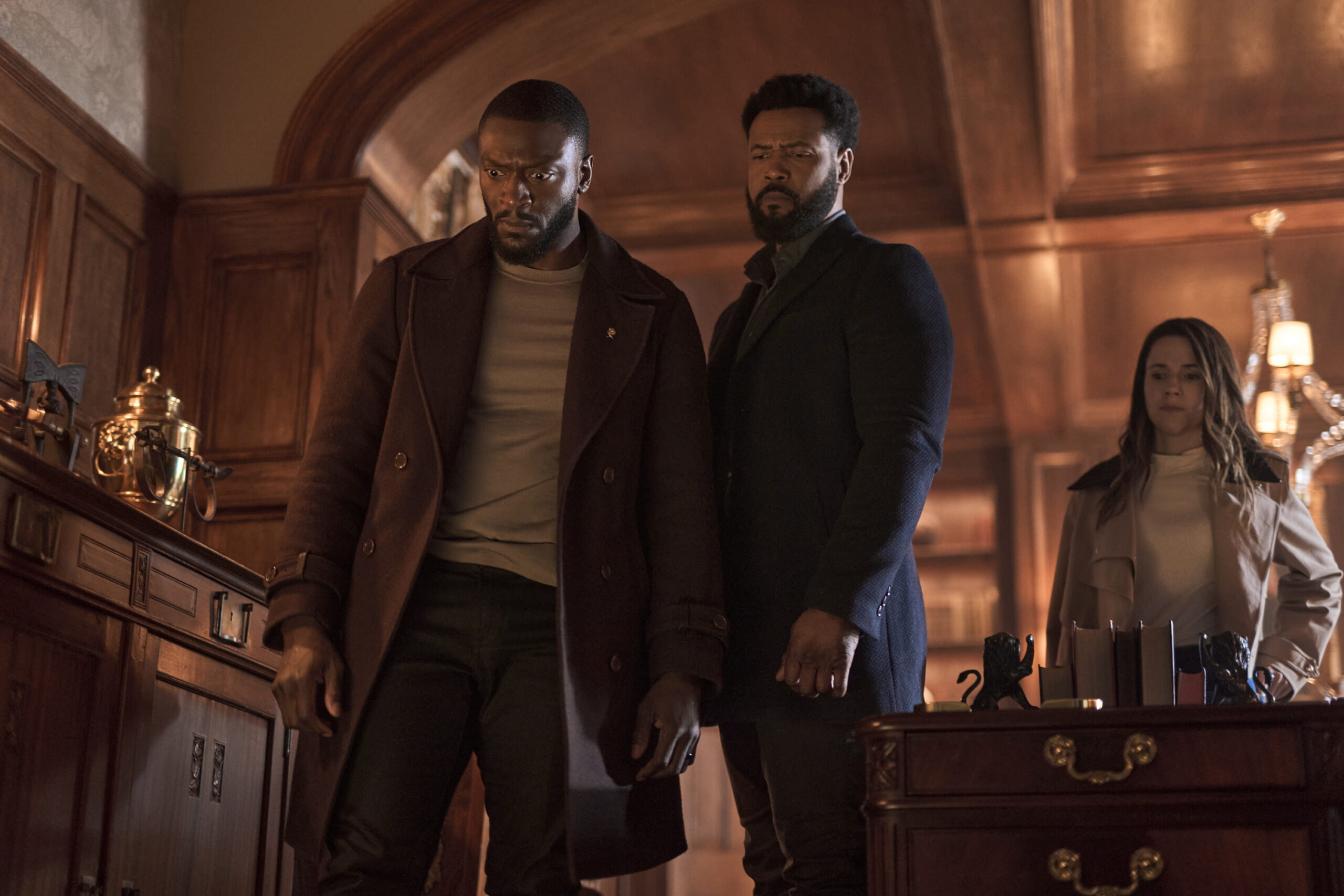

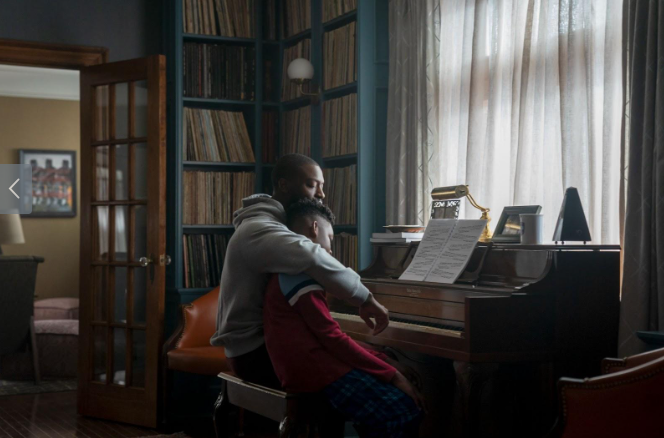
Some may find it surprising that production design is essential to editing, but for Steven Lang it is “crucial.” As Steven explains, in CROSS, the production design was particularly significant, especially in Episode 5, which reveals Ed Ramsey’s character. The detailed sets help set the mood and provide visual cues that inform how he approached cutting scenes. “Whenever I would freeze frame the dailies, the production design was so beautiful that it helped elevate the material beyond just dialogue and performances. The way sets are designed can subtly influence the tension and emotional tone of a scene, which gives me more creative options in the editing bay.”
Describing the series CROSS as a “block and edit process”, multiple editors work on different episodes throughout the season. When Steven joined the show, Roslyn Kalloo had edited episodes 1 and 2, Jorge Weisz episodes three and four, with Steven taking over episodes five and six. This approach allows editors to read all of the scripts, watch previous episodes to understand the characters and tone, and then focus on their assigned episodes. The goal is to maintain a consistent style while each editor brings their unique perspective to the show.
When it came to approaching episode five and its tonal shift, Steven focused on building tension through careful pacing and utilizing the nuanced performances, particularly Ryan Eggold’s portrayal of Ed Ramsey. Working closely with the director, Stacey Mohammed, the goal was to capture the voyeuristic feel through strategic shot selections and cross-cutting techniques, gradually revealing Ramsey’s true nature while maintaining an unsettling atmosphere, using the production design and cinematography to enhance the episode’s shifting tone. The key was to let the performances and visual elements guide the editing, creating a sense of mounting dread throughout the birthday party sequence. “I focused on setting the mood through careful editing of the party preparation scenes, using the scripted music of the young singers and capturing Ramsey’s preparations. I worked to create a sense of culmination and tension, knowing this was a pivotal episode.”
Episode Six returned us to the Cross family dynamics, placing Alex Cross and his son in the forefront and balancing those family dynamics with the ongoing story. Ensuring an emotional payoff meant focusing on maintaining the right rhythm and pacing, particularly with the cross-cutting technique in the final sequence. The goal was to keep tension high while highlighting the character moments, especially the scene between Cross and his son discussing his mother. “I wanted to give the audience a breather after the intense episode five,” while still moving the narrative forward, emphasizing the familial aspects of the story.
Working with director Carl Seaton and with cinematographer Maya Bankovic coming in after Brendan Steacy, Episode Eight proved to be the biggest challenge as Steven had to ensure that the episode and the entire first season earned every moment and maintained the audience’s engagement. “I focused on revealing the mystery of Alex’s wife’s killer while keeping the pacing tight. We wanted to make sure the finale felt satisfying without running too long, balancing the emotional confrontations with the plot resolution.” The key proved to be finding the right rhythm to keep viewers on the edge of their seats while bringing the season’s storylines to an explosive and meaningful conclusion.
Important to Steven as an editor is focusing on key moments by repositioning shots to center frame the actor, which naturally draws the viewer’s eye to the performance. “I’ll adjust framing to minimize distracting background elements,” ensuring the audience’s attention stays on the most important aspects of the scene. “The goal is to direct the viewer’s focus precisely where I want it,” using visual composition to highlight critical emotional or narrative moments. Interesting is that while he acknowledges sometimes getting momentarily obsessed with background actors, his primary goal is to maintain that focus on the key dramatic moments and performances, believing that guiding the viewer’s eye is more important than capturing peripheral details.
The overall flow and impact of the story are paramount for Steven. Emphasizing that editing is more about rhythm and pacing than strict continuity, he maintains that driving the audience’s focus and creating an emotional connection are crucial. Always aiming to service the story, focusing on how scenes can best convey tension, character moments, and narrative progression, Steven is willing to make creative editing choices that enhance the storytelling, such as cross-cutting scenes or using sound design to elevate emotional moments, always prioritizing the audience’s engagement with the narrative.
TAKE A LISTEN. . .
by debbie elias, exclusive interview 04/18/2025
CROSS is streaming on Prime Video.