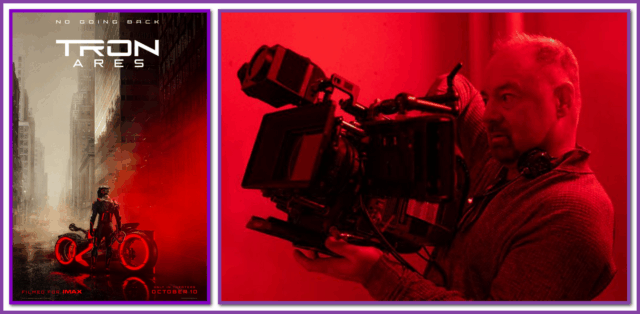
In discussing the cinematography of TRON: ARES, Jeff Cronenweth describes a filmmaking process defined by precision, interdepartmental interdependence, and an overarching commitment to rooting a high-concept sci-fi universe in unmistakably human visual language. Though the film spans vast digital realms and intricate technological environments, Cronenweth’s approach remained anchored in emotional authenticity—ensuring the audience’s connection to the characters persisted through even the most elaborate visual effects and world-building.
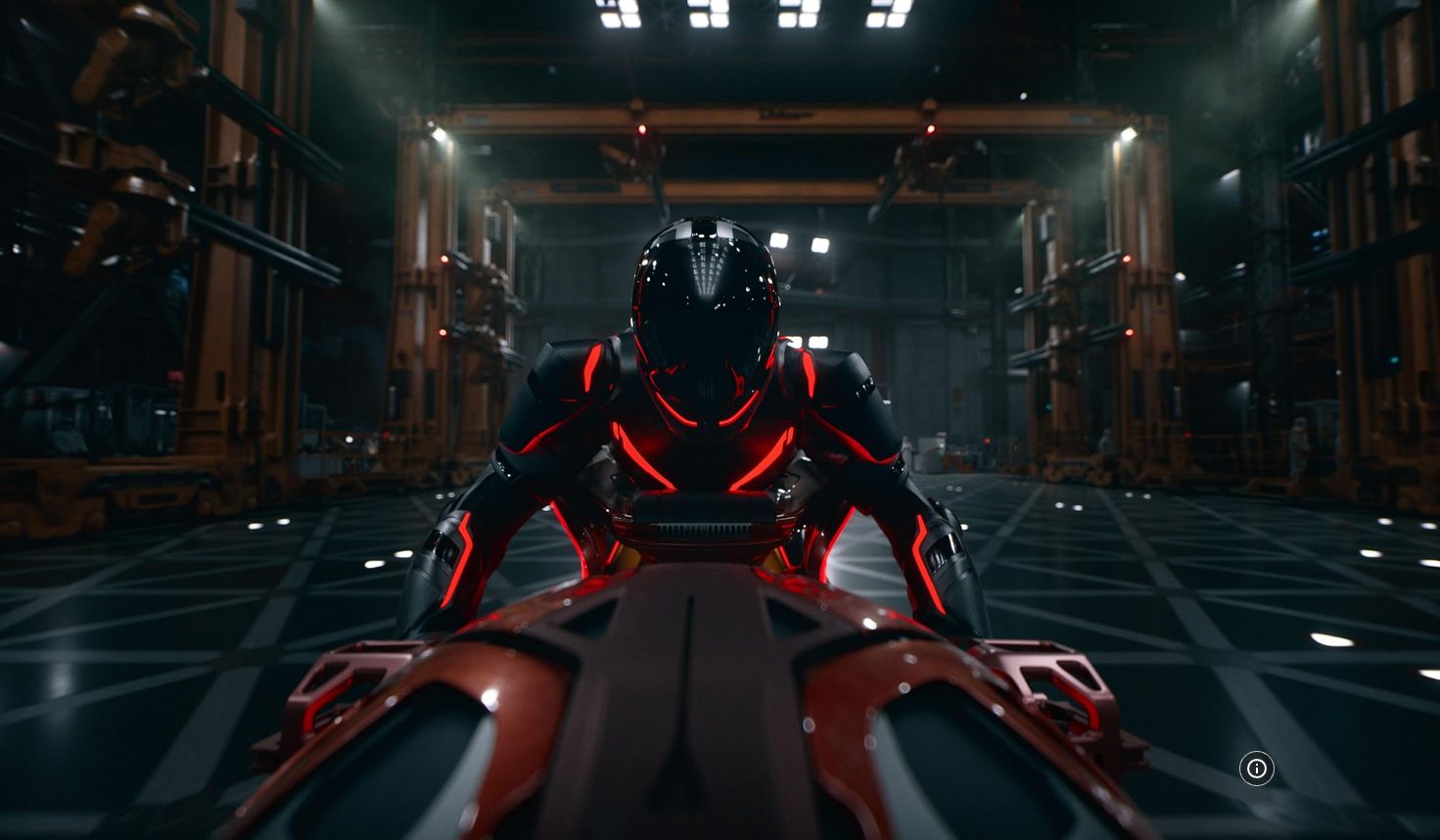
From the outset, Jeff focused on creating three visually distinct “worlds”—Dillinger and the “real world”, The Grid, and Flynn’s realm—each with its own color language, camera movement philosophy, and lighting identity. Dillinger’s domain leaned into saturated reds and calibrated, mechanical camera moves to underscore its rigidity and artifice. Flynn’s world, by contrast, drew from the aesthetics of the 1982 film, employing grain, desaturated color, and a palette of blues, purples, and primaries to evoke its analog past. Meanwhile, The Grid occupied a space between the two: highly designed, digitally precise, yet imbued with enough organic motion to keep the characters’ humanity at the forefront.
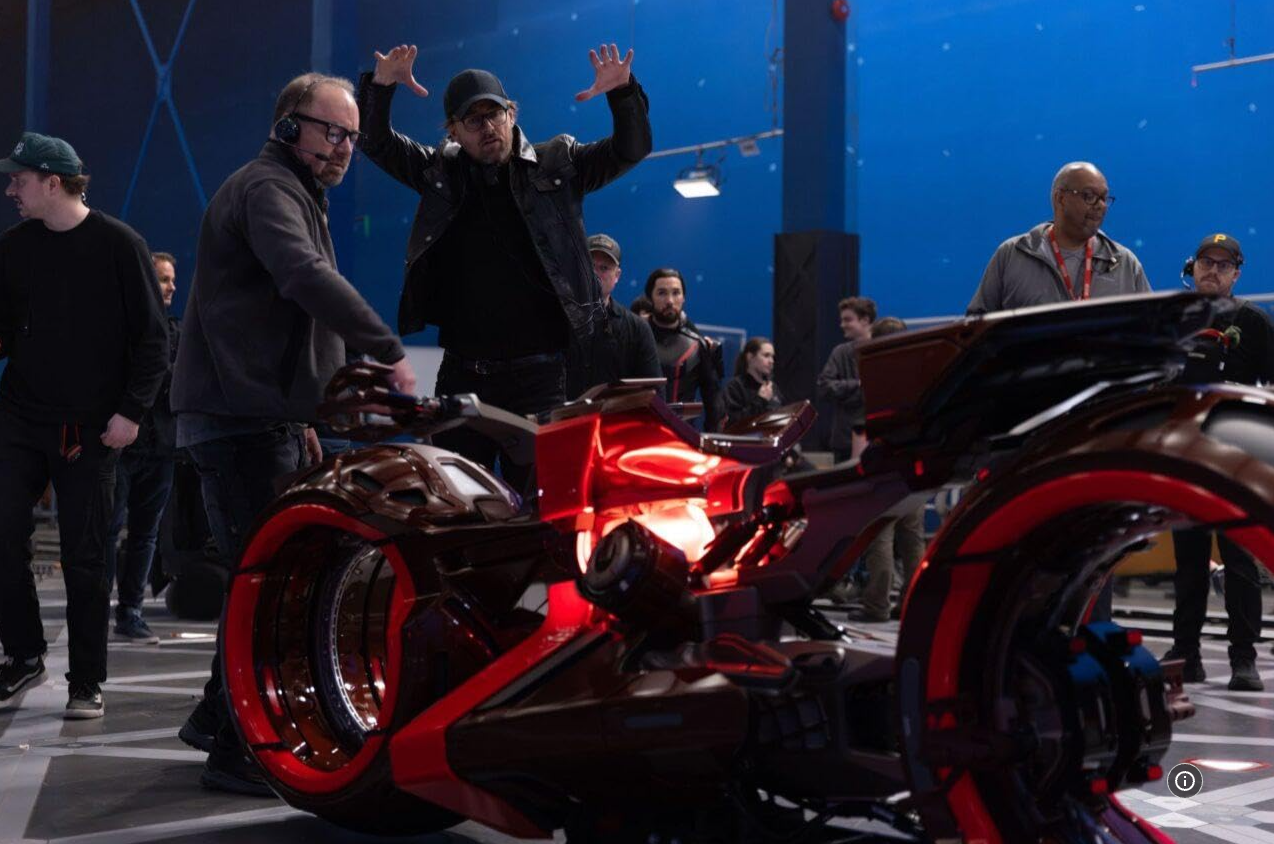
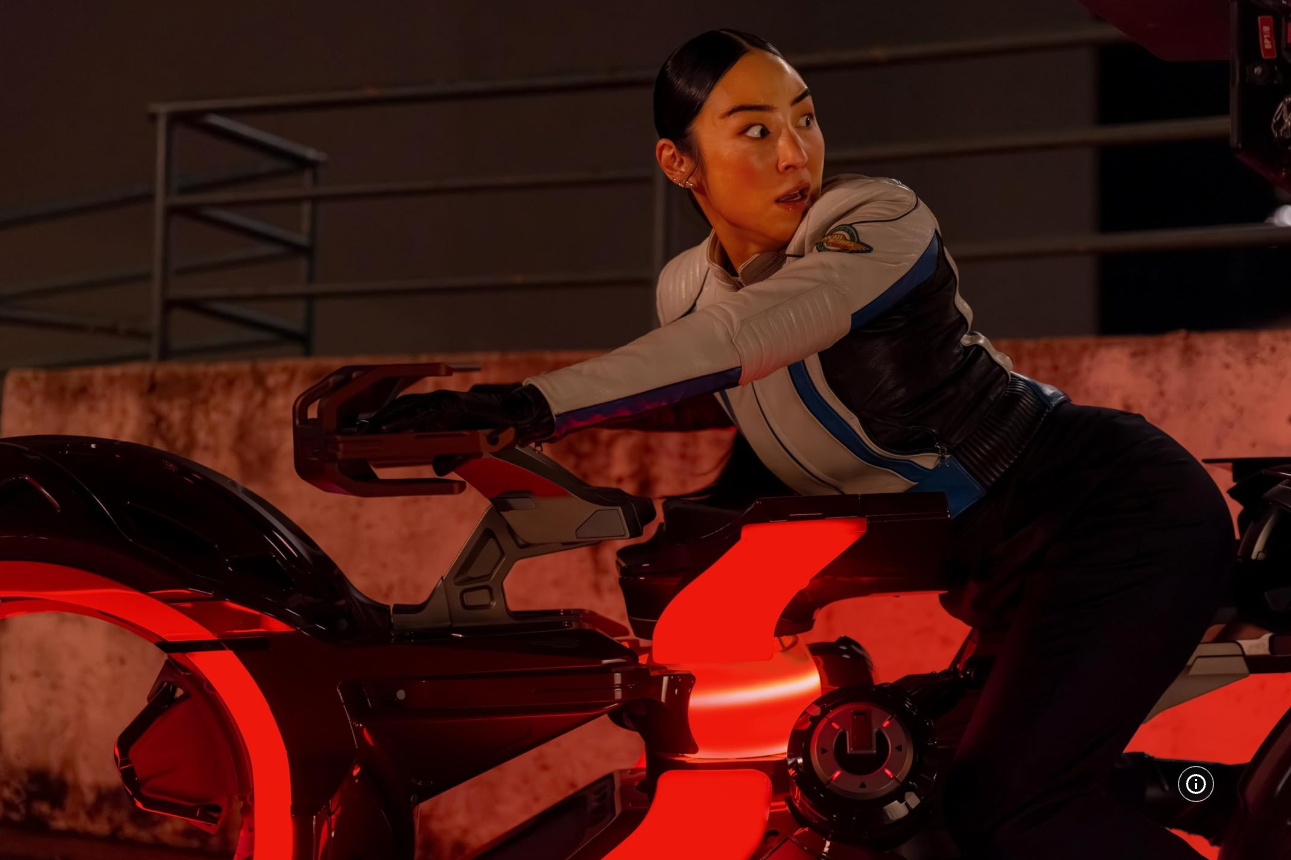
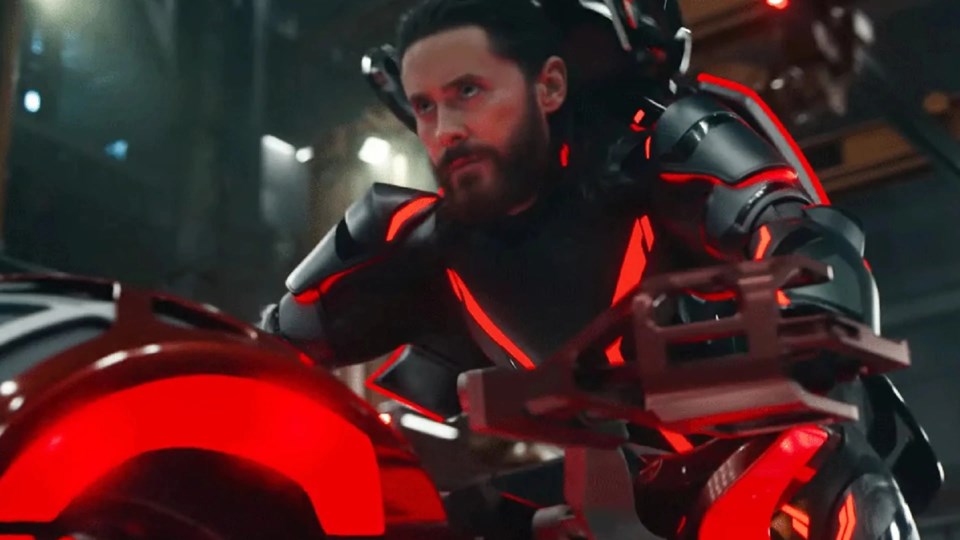
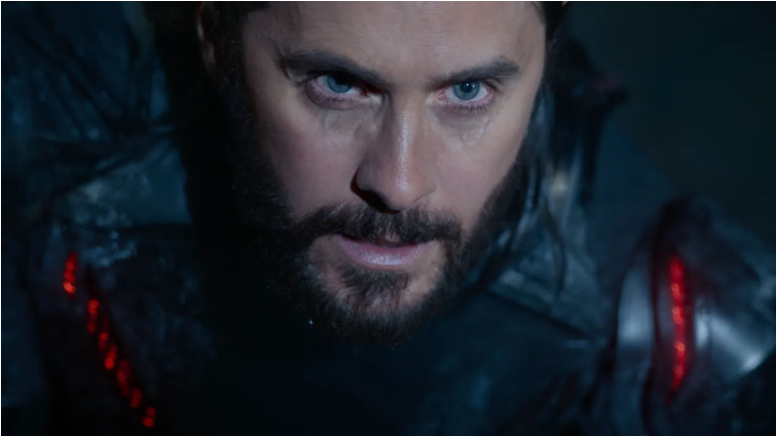
This visual separation wasn’t created in isolation. Jeff describes TRON: ARES as a film where every department—cinematography, makeup, costumes, lighting, production design, and VFX—operated as a single continuous organism. Makeup designer Donald Mowat’s work relied on Jeff’s lighting and camera choices, especially in extreme close-ups, where macro cinematography captured the tiniest details of Jared Leto’s face. Those shots often required motion-control robotics, including Sisu systems capable of sub-millimeter precision, to safely bring the camera close enough to capture the intimate transformations that define Ares’s character arc.
Leto himself played a pivotal role in shaping the film’s visual philosophy. As both the lead actor and a producer, he worked with Jeff from the earliest stages, discussing how the film’s emotional architecture needed to remain grounded in humanity. Before production began, Leto approached Jeff directly, discussing their shared goal of building a sci-fi narrative that resonated emotionally. Jeff recalls Leto reciting monologues from Blade Runner, demonstrating the emotional depth he hoped to bring to the role. Their collaboration continued on set, especially during sequences requiring delicate, reactive camerawork—moments where the slightest shift in lighting or focus would affect how the audience perceived Ares’s internal journey.
Technically, TRON: ARES was built on a foundation of complex, bespoke systems. The film was shot on RED Raptor XL cameras in 8K, framed for 2:40 but matching the resolution and clarity required for an IMAX 1:90 release. To meet IMAX’s spherical-lens standards, Jeff partnered with ARRI and RED to custom-adapt ARRI’s DNA large-format lenses for use on the Raptor bodies. These lenses provided unique optical characteristics—customizable aberration, fall-off, and texture—allowing Jeff to give each world its own subtle, signature look.
The production relied heavily on integrated lighting—sets embedded with LED sources rather than relying on traditional external rigs. This approach allowed lighting to feel organic to the world of the film: walls, floors, and architectural elements emitted motivated light, freeing the camera to move rapidly and unobstructed through environments. Meanwhile, actors wore interactive LED light suits containing over 120 individually controllable channels. These suits could shift color, intensity, and rhythm in real time, creating dynamic interplay among costume, lighting, and VFX. Because these elements were so deeply connected, any adjustment to makeup, costume, or lighting required coordinated recalibration across departments. As Jeff puts it, “everybody had to be in unison.”
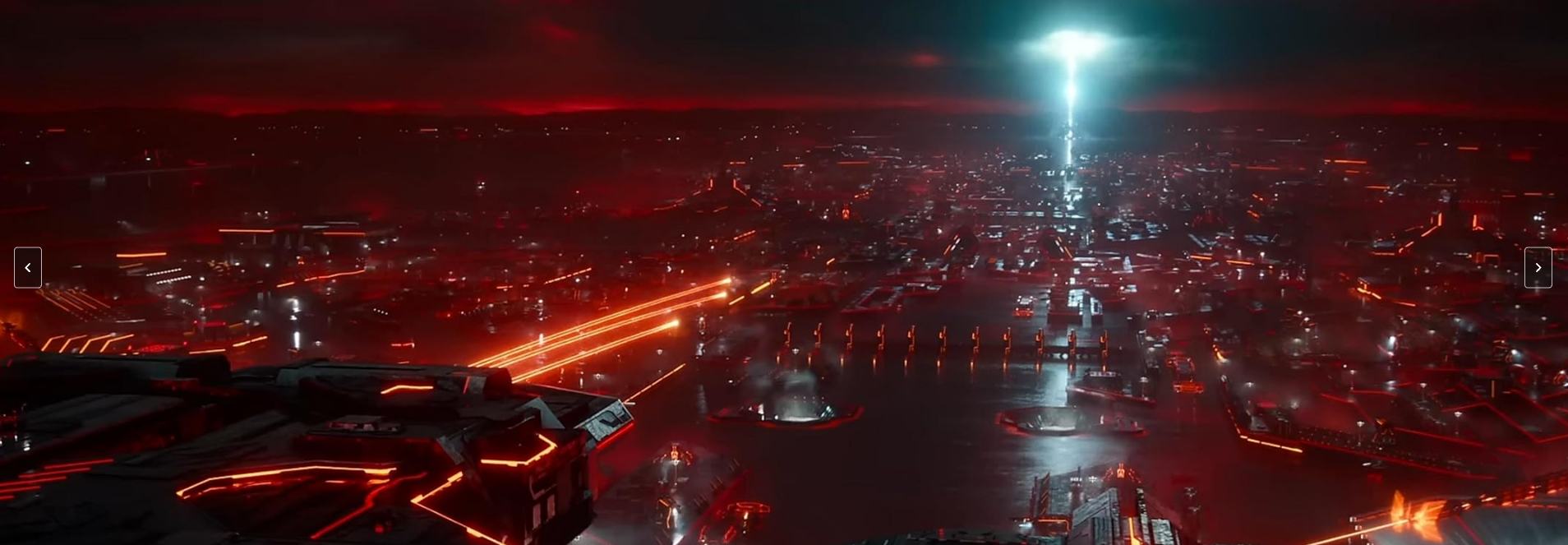
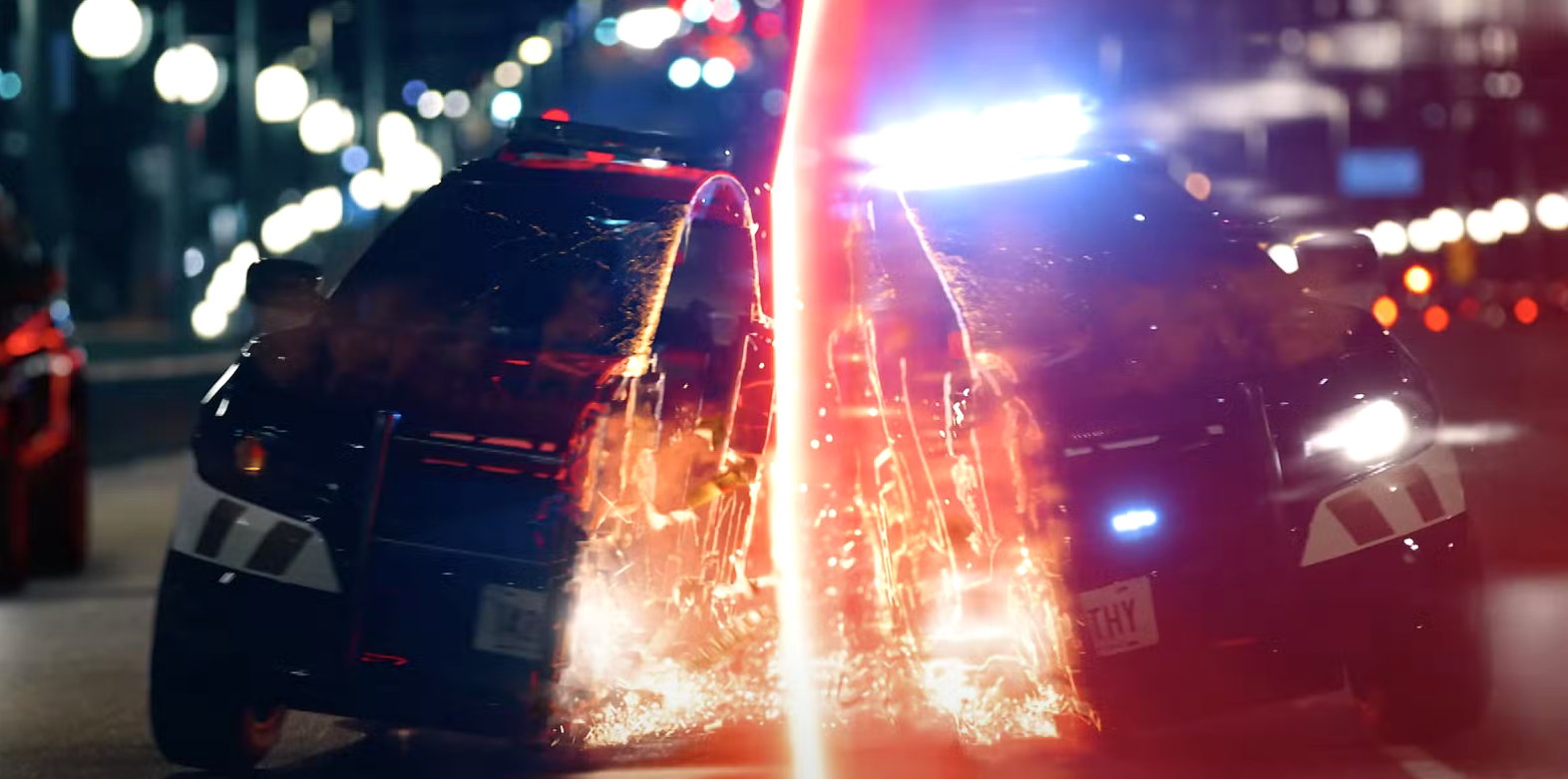
Action sequences pushed the technical envelope even further. One chase scene required a staggering 21 cameras—everything from drones to array vehicles—capturing multiple angles at high speed to provide maximum flexibility in the edit and in VFX integration. Motion-control systems allowed for precise repeatable camera moves, essential for complex shots blending practical cinematography with digital overlays.
Music also played a defining role in shaping the film’s visual identity. When Nine Inch Nails—Trent Reznor and Atticus Ross—signed on to compose the score, their presence immediately shifted the creative tone. Jeff says their involvement “took the reins off,” giving the team permission to lean into bold contrasts, deeper shadows, heavier textures, and more mechanical rhythms in camera movement. The pulsing, reverberant, bass-driven sound informed everything from color contrast to lighting cadence, helping connect the film’s visual DNA to its sonic architecture.
Even with its futuristic environments and technological ambition, Jeff’s guiding principle never wavered: keep the viewer emotionally connected. He often chose wider-angle close-ups—bringing the camera physically closer to the actor—to preserve environmental context while maintaining intimacy. It was his way of ensuring the human face remained the emotional anchor amidst gleaming surfaces, interactive light, and digital complexity.
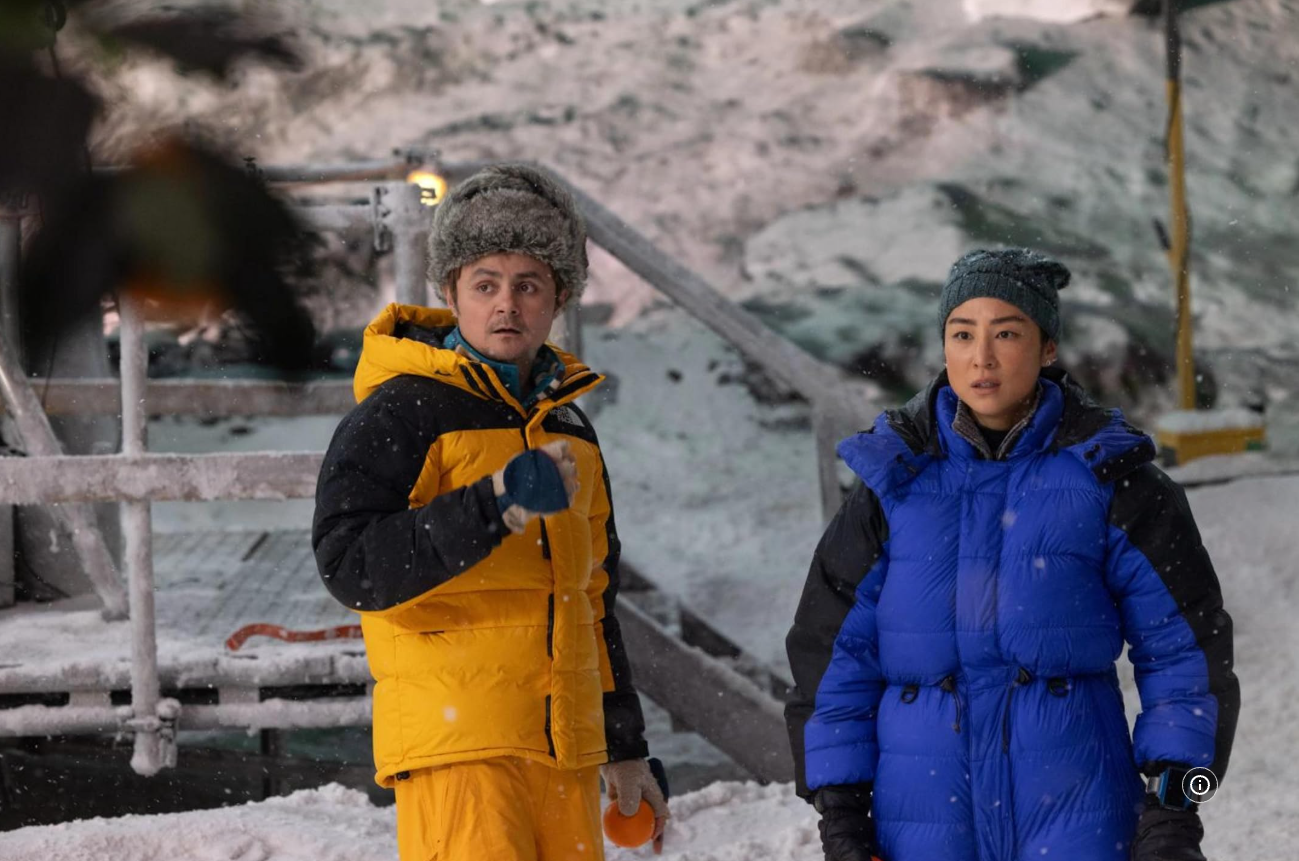
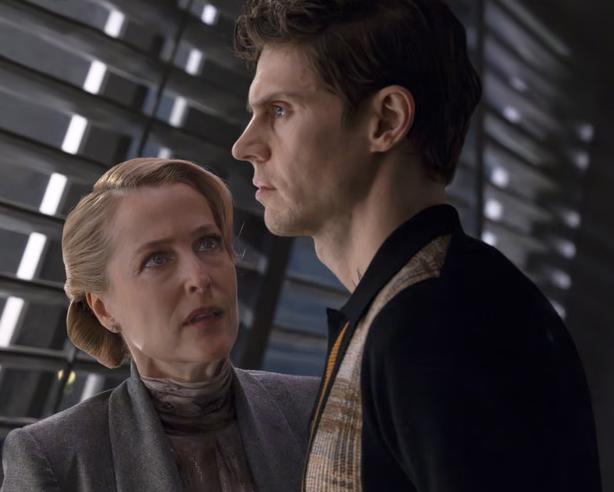
Ultimately, TRON: ARES became an exercise in holistic cinematography, where technology, performance, design, and sound converged. Every visual decision—from camera format to color palette to how an LED suit pulsed in a character’s breathing rhythm—served a singular purpose: to create a sci-fi world that was not only visually striking, but deeply human at its core.
TAKE A LISTEN. . .
by debbie elias, exclusive interview 11/02/2025