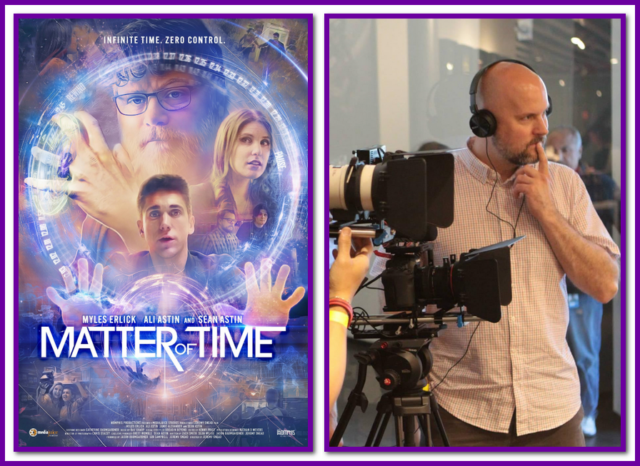
An exclusive conversation with writer/director JEREMY SNEAD discussing MATTER OF TIME.
SYNOPSIS: MATTER OF TIME follows Charlie Fleck, a 29-year-old aspiring video-game designer who discovers a mysterious device that can stop time — giving him the chance to finally pursue the dream he’s never had time for. As Charlie leans into the intoxicating power to “pause” life, the film asks what ambition costs, and what (and who) we risk losing when we try to control the moments that shape us.
MATTER OF TIME is directed by JEREMY SNEAD, co-written by Snead, Zach Smith, Sean Wilkie and Jason Baumgardner, and stars Myles Erlick, Sean Astin, Ali Astin, and Jamie Alexander, among others.
**********
What would you do if you could stop time? That irresistible question sits at the pulsing heart of Jeremy Snead’s MATTER OF TIME, a lively, genre-bending narrative debut that fuses sci-fi fantasy, video game energy, and emotional sincerity into something unexpectedly moving. Following Charlie Fleck, a 29-year-old aspiring game designer who discovers a device capable of freezing time itself, the film spins a deceptively playful premise into a story about ambition, grief, friendship, and the dangerous allure of trying to control life one paused moment at a time.
For more than two decades, Jeremy Snead has been telling stories through documentaries, commercials, shorts, and episodic work. But with MATTER OF TIME, he takes a major creative leap: his first narrative feature, and an ambitious one at that. Blending sci-fi mechanics, video game iconography, emotional character storytelling, and a heartfelt meditation on friendship, purpose, grief, and human connection, MATTER OF TIME is the kind of debut that does not play small.
And that is precisely what makes it so much fun.
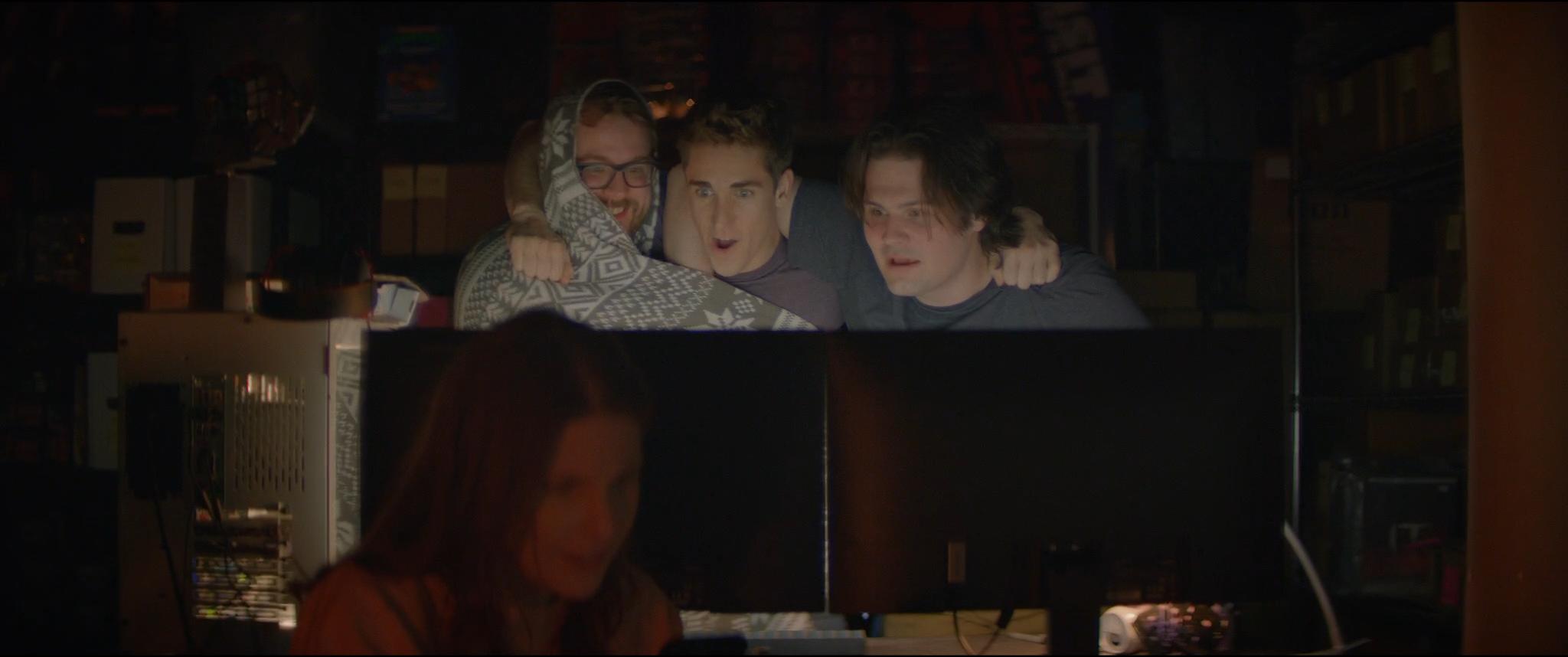
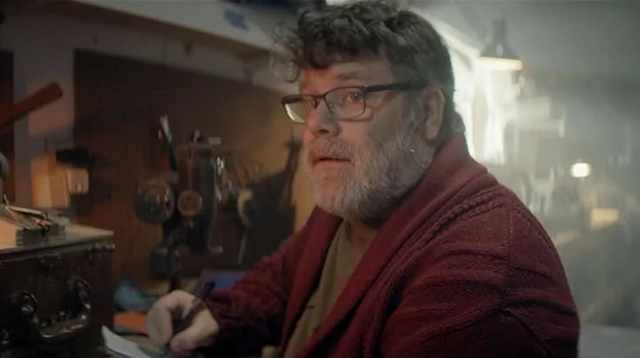
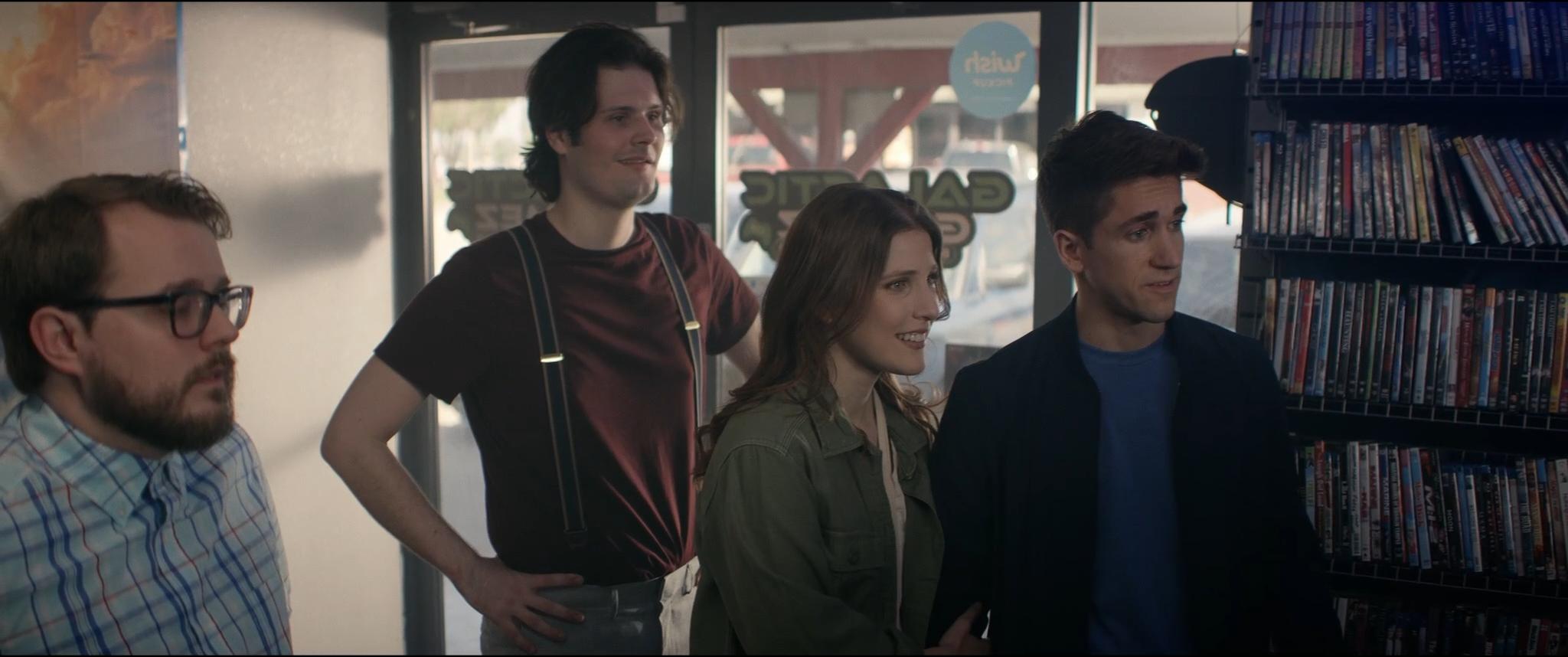
Snead’s film follows Charlie Fleck, a 29-year-old aspiring video game designer who discovers a mysterious device that can stop time, opening the door to the life he always thought he wanted. But as Charlie becomes more intoxicated by the power to pause life and seize control of his ambitions, MATTER OF TIME asks bigger questions about what success costs and what we sacrifice when we try to master the moments that shape us.
Snead was delighted to hear that the film’s balance of heart and entertainment came through. “Mission accomplished,” he said, smiling at the response. For him, that balance was always the goal. Drawing on his documentary background, he explained that nonfiction filmmaking taught him an essential lesson: “You need to inform and entertain. And I always think you need to entertain first to keep them around for the information.” With a narrative feature, he said, “You just got to entertain,” but that did not mean abandoning substance. Instead, he wanted MATTER OF TIME to be visually engaging and emotionally meaningful at once.
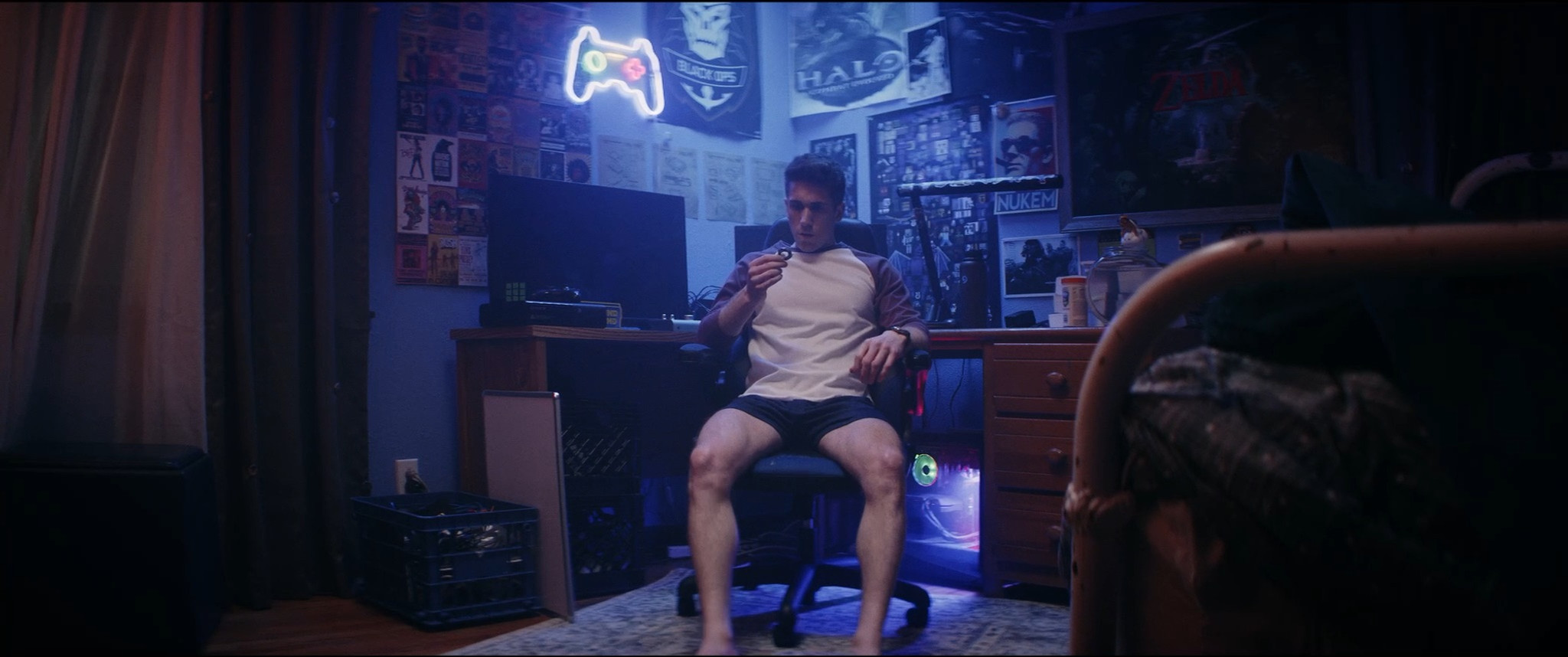
That intention is immediately visible in the film’s design. Even for viewers who are not gamers, MATTER OF TIME is inviting and accessible, because Snead builds its world through a visual language that is both playful and familiar. The film references decades of video game evolution, from early arcade-era aesthetics and blocky pixel-inspired design to more polished modern flourishes. But those elements never feel exclusionary. They function less as insider shorthand than as expressive worldbuilding, allowing even non-gamers to feel Charlie’s creative obsession and emotional investment.
Snead said that the approach was absolutely intentional. The visual style was meant to entertain first while also enriching the story. That meant not only embracing animated and VFX-driven elements, but making sure they were woven into the emotional fabric of the film rather than existing as decorative flourishes.
In many ways, MATTER OF TIME feels like the culmination of Snead’s career to this point. “It’s definitely the culmination of my career thus far,” he said, citing his work as a commercial producer, documentary filmmaker, and creative entrepreneur. He founded his agency, Media Juice, in 2004, and the company’s roots were in the gaming world. “We started by cutting video game trailers. Our first client was Atari.” One client became several, and before long, Snead was working with major publishers and developers, producing trailers, commercials, and gaming-related documentaries. That experience shaped not just his industry fluency, but also the aesthetic DNA of MATTER OF TIME.
Still, wanting to direct a narrative feature and actually making one are very different things. Snead was keenly aware of the risk. “I didn’t want to ever be the filmmaker that went out and tried to do it on his own and [made] something that doesn’t look good or doesn’t resonate,” he said. Because he also had an established reputation as a commercial producer, he felt added pressure not to put something into the world that would undercut the standards he had spent years building.
The path to MATTER OF TIME began, in part, through Sean Astin, who became a trusted collaborator after the two met around 2012. Astin narrated Snead’s first documentary, and the relationship grew from there. “He and I became fast friends,” Snead recalled, noting that Astin has since been involved in multiple projects as a narrator, producer, actor, or some combination of all three. At one point, Astin encouraged him directly: “You should direct. You’d be a good director.”
When MATTER OF TIME came across Snead’s desk about five years ago, he shared it with Astin, who immediately recognized the potential. “This is it. This is perfect,” Astin told him. But the version they started with was far from the film that now exists. Snead and his collaborators fundamentally reshaped the material. “The guy that we optioned the script from jokes about it now,” Snead said. “The only thing that remained of my script was characters’ names.”
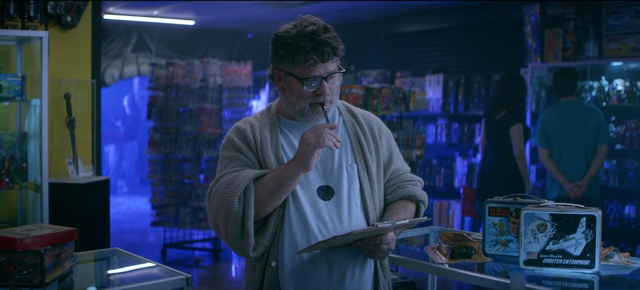
As Jeremy explains, originally, the story centered on a comic book store and an aspiring comic book artist. Snead and his team reimagined the setting, turning the store into a toy shop and changing Charlie’s dream from comics to video games. In the process, they added the love interest, expanded the themes of friendship and community, and developed the emotional core that now defines the film.
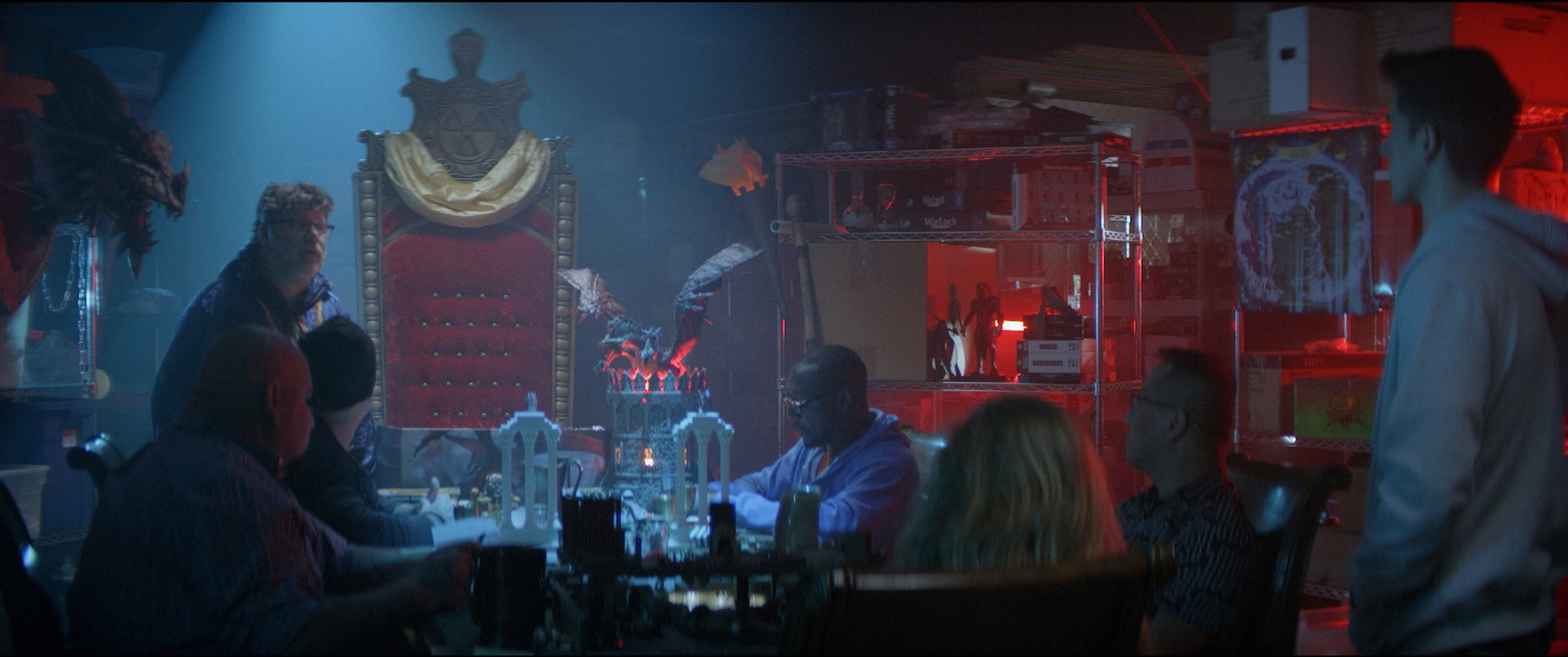
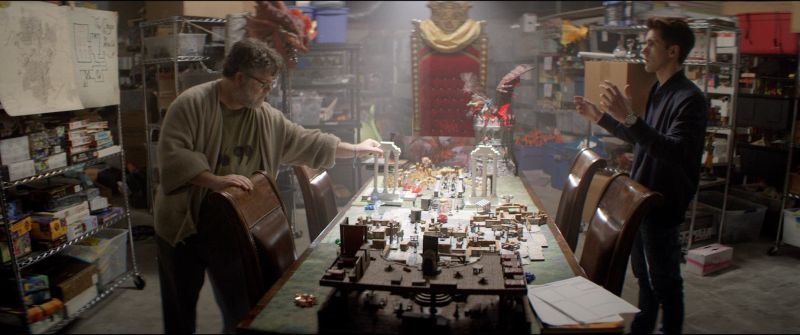
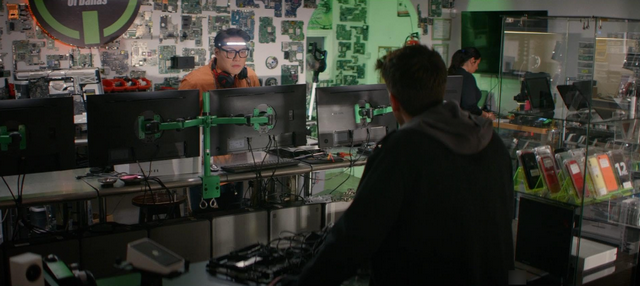
That toy shop, in particular, becomes one of the film’s great visual anchors. Richly designed and full of personality, it is the kind of space that invites viewers to look past the foreground action and study the shelves, the textures, the toys, the curated clutter of memory and imagination. Snead clearly understood the importance of creating a tactile, physical world to balance the more animated and conceptual elements of the story. The toy shop, the back rooms, and the Onyx Guild spaces all feel lovingly built, never generic.
Bringing all of those worlds together required a directorial process that was both planned and flexible. Snead described the approach as a hybrid. Some sequences were carefully shot-listed and storyboarded, especially those involving transitions between live action and animation. Other moments had to be improvised in the reality of independent filmmaking. “This is independent filmmaking,” he said. “The first day of filming, we lost our second location that we were supposed to be going to later that day, so we had to sit and rewrite that scene and put it in a new location.”
That kind of pivot did not seem to rattle him so much as reinforce the collaborative philosophy he already favored. “It was kind of the kitchen sink,” he said. “There was improv, there was day-of changes, there was things that we kind of shot from the hip. But then there were definitive, scripted, storyboarded elements that we stuck to.” He credits cinematographer Chris Stacy as a key creative partner and described the set as open, collaborative, and idea-friendly. “All ideas are welcome, and then I’ll decide which ones I think serve the story best.”
That spirit carried into casting, which proves absolutely central to the film’s success. MATTER OF TIME only works if Charlie works, and Myles Erlick gives the character exactly the right combination of likability, emotional vulnerability, and kinetic energy. Snead knows how fortunate he was to land him.
In fact, Erlick entered the process very late. Snead and his team had initially settled on another actor, but the deal fell apart just a week before shooting began. Suddenly, an independent feature about to go into production had no lead. Snead, his producers, and his DP Chris Stacey huddled in crisis mode. Chris Stacy and producer Ian Campbell both suggested Erlick, whom they had recently worked with on a music video. Snead had not seen him before. “They showed me some clips,” he recalled. “And I was like, ‘Hey, he’s a good-looking kid. Can he act?’” They pulled up scenes from Steven Spielberg’s West Side Story, and Snead was immediately interested. “He’s got a great energy and a great look. Let’s get him to read.”
The read sealed it. “Immediately, I was relieved and thrilled,” Snead said. “We have a Charlie, and he’s better than the other guy.” Sometimes, as he noted, that is simply how the movie gods work.
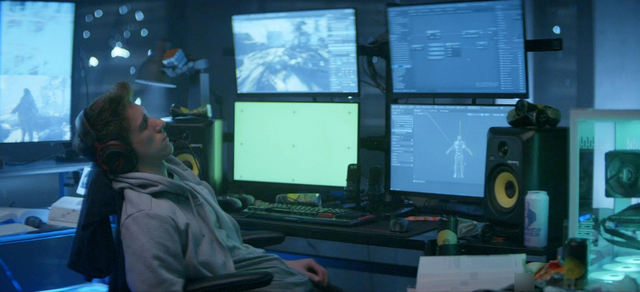
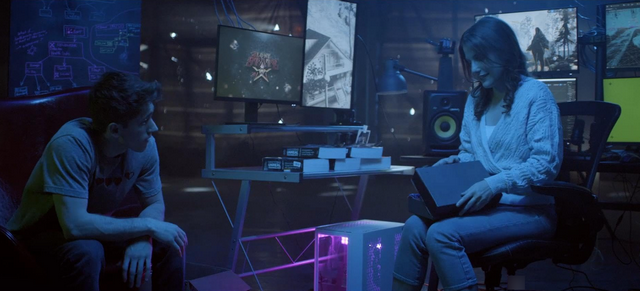
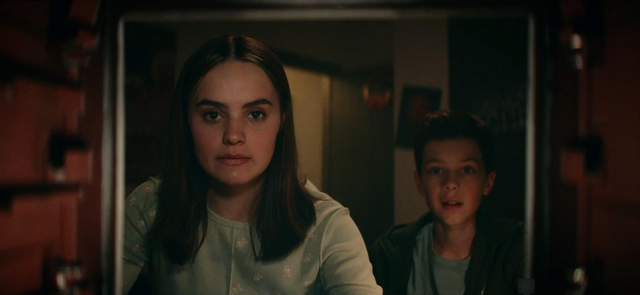
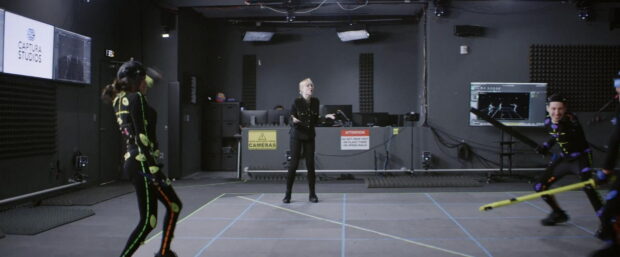
Erlick’s theatrical background also proved ideal for a role that requires him to interact with imagined VFX elements and embody the physicality of game-related performance. Charlie’s motion-capture work, his creative intensity, and his almost restless drive all benefit from Erlick’s movement vocabulary and screen presence. Around him, Snead assembled a strong ensemble in Patrick Britain, Allie Astin, and Quinn Angel, creating a core friend group that feels authentic across time. The film’s depiction of enduring friendship—from childhood into adulthood—gives MATTER OF TIME much of its emotional resonance.
Snead was especially pleased with the chemistry that developed among the cast. “Those guys were all such a great little ensemble,” he said. “We had so much fun on all of our different sets.” There is a lived-in warmth to the group dynamic that helps ground the film’s more fantastical elements.
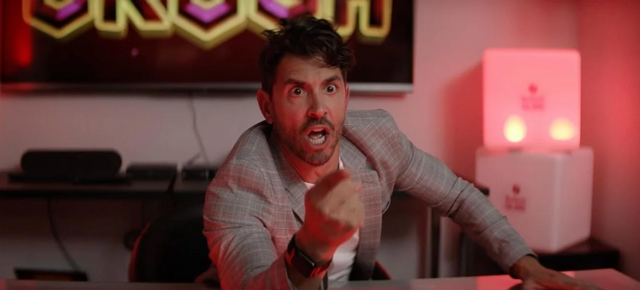
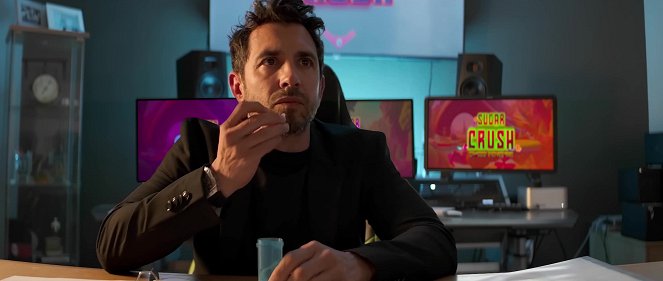
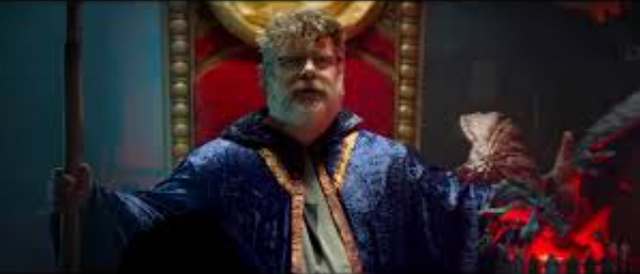
Then there is Jamie Alexander, who delivers the film’s villainous energy with gleeful excess. As Miles Sugar, he is theatrical, neurotic, ridiculous, and deliciously entertaining. Snead clearly relished what Alexander brought to the role. “Jamie is a trip,” he said. “He is such a fun guy.” When they saw his audition, the response was immediate. “We were all laughing. It’s like he’s a guy you love to hate, but also love to love.”
Interestingly, Alexander’s performance also forced a structural realization in post-production. In the original cut, Sugar was simply a bombastic executive barking at his staff. But when those scenes were placed alongside Charlie’s more grounded home life and emotional arc, the tonal disparity became too extreme. “No matter what we did, no matter what music we put with it, it was just off,” Snead said. The solution was to create an offscreen venture-capital board applying pressure to Sugar, contextualizing his manic energy as performance under investor scrutiny. The reshoots solved the problem and, in doing so, made the character stronger.
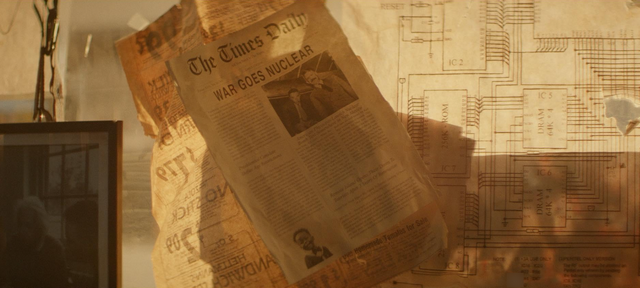

That kind of discovery speaks to how critical the edit was in shaping the final film. Snead described the editing process as long and transformative. “We were editing it in post for, gosh, a year and a half,” he said. During that time, the team went through numerous iterations and conducted many friends-and-family screenings to identify what was landing and what was not. “It was really just ringing it out,” he explained, refining structure, energy, and emotional logic through repeated viewings and feedback.
The result is an edit that feels buoyant, propulsive, and inventive. Montages, music, VFX, and graphic flourishes all combine to create a sense of momentum that keeps the film humming. Some of the most charming animated transitions even arose from budgetary necessity. Snead needed travel and establishing shots to show Charlie moving through his world, but the production had run out of time and money to shoot enough of them in live action. Rather than settle for bland coverage, he found inspiration in an unexpected place: You’ve Got Mail.
“I always loved that opening intro,” he said, referring to its blocky, digital New York aesthetic. So he decided to solve the problem through animation. “We got our establishing shots, but then it also adds a bit of flavor to the film.” It is a classic example of an independent film turning limitation into identity.
Music also played a major role in building the tone. For Snead, working with composer Ray Sharp was a new experience in narrative form. In documentary projects, he had generally licensed tracks. Here, once the story structure was finally locked, he and Ray held a spotting session and began discussing the themes and emotional arcs scene by scene. Snead pointed to motifs involving “self versus tribe,” the ring itself, and Bree’s emotional presence. “It was really interesting how it changed emotionally just from the sprinkling of score that Ray did throughout it,” he said. “It kind of brought it to life.”
That score helps the film move fluidly between wonder, emotion, comedy, urgency, and introspection, giving MATTER OF TIME a polished tonal coherence that feels remarkably assured for a first narrative feature. It never loses its fun, but it also never loses its soul.
By the end of the process, Snead says he learned a great deal, but one insight rose above the rest. “I think community is the most important thing in life,” he said. That idea is not only baked into the film’s themes, but into the way he now understands the creative process itself. “Your value as a human being has nothing to do with what you do, and it has everything to do with who you are.”
For Snead, that means valuing the cast, the crew, the friends and family who give honest feedback, and the larger creative tribe that helps a film become what it needs to be. “It’s to my detriment to isolate and to try to kind of do it on my own and be the big man,” he said. “It’s to my success that I open up and allow every voice in the room.” The privilege of directing, he believes, lies in being “the decider,” but the strength comes from welcoming ideas before making those decisions. “The more voices, the better.”
It is a lesson that feels entirely in step with MATTER OF TIME itself, a film that ultimately understands ambition as only part of the story. The rest is friendship, loyalty, grief, joy, and the people who make the journey meaningful. Or, as one of the film’s most poignant lines puts it: even if you fail with friends, you still win.
That ethos seems to define both the movie and the filmmaker behind it.
And yes, audiences really do need to stay through the end credits. Snead put together a blooper reel that is too much fun to miss—a final reminder that for all the film’s sci-fi mechanics and genre-bending play, MATTER OF TIME never loses sight of the joy of making movies.
For a first narrative feature, Jeremy Snead does more than make the leap successfully. He lands with heart.
by debbie elias, exclusive interview 02/25/2026
MATTER OF TIME is currently in theatres.