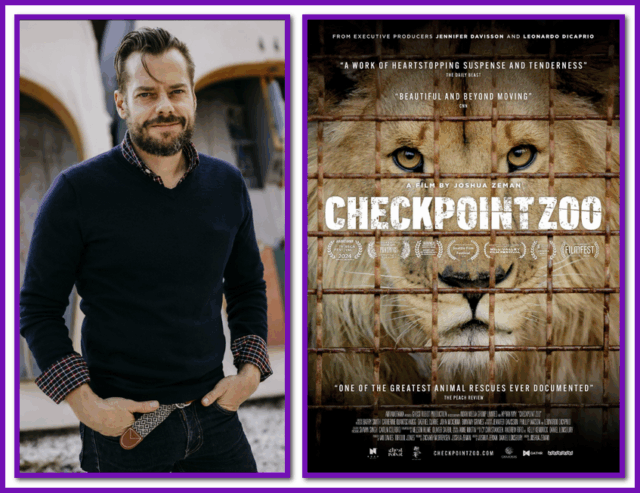
A heartfelt and emotional conversation with documentarian JOSHUA ZEMAN as we discuss one of the “Must See” documentaries of the year, CHECKPOINT ZOO.
SYNOPSIS: CHECKPOINT ZOO documents a daring rescue led by a heroic team of zookeepers and volunteers, who risked their lives to save thousands of animals trapped in a zoo behind enemy lines during the first 71 days of Russian Invasion of Ukraine. Drawing from first-hand footage, Award-winning filmmaker Joshua Zeman’s CHECKPOINT ZOO showcases a story of human compassion, bravery, and sacrifice during Ukraine’s darkest hours — shining a light on the best of humanity when it is all too easy to focus on the worst. With CHECKPOINT ZOO, Zeman and his film crew spent time in wartime Ukraine and had exclusive and unrestricted access to Feldman Ecopark in Kharkiv as well as hundreds of hours of video and sound recordings that were captured by the park keepers and volunteers as they documented their evacuation.
Directed by acclaimed documentarian JOSHUA ZEMAN (The Sons of Sam, The Killing Season, Cropsey, Murder Mountain )and co-written by Zeman and Daniel Lonsbury, CHECKPOINT ZOO features Oleksandr Feldman, owner of Feldman Ecopark, the many volunteers and park keepers who cared for and evacuated the animals at Feldman Ecopark, and the 5000 animals who called Ecopark “home”.

In the United States, after Hurricane Katrina there was an uproar across the country about evacuations in natural disasters and catastrophic events, as the evacuees were not permitted to bring their pets – the furry, four-footed, and feathered members of their family. Enacted in 2006, the Pets Evacuation and Transportation Standards Act (PETS Act) was a direct result of the experiences during and after Katrina. The PETS Act requires that state and local disaster preparedness plans include provisions for the needs of individuals with pets and service animals during, ensuring that pets are considered during evacuations and sheltering. Zoos accredited by the Association of Zoos and Aquariums, a nongovernmental organization, are required to have disaster plans in place, while smaller zoos are a different story. They are required to have plans in place under the Animal Welfare Act (AWA). Farm animals or large animals have no protection beyond what local animal welfare groups can provide.
In Ukraine in 2006, “The Law of Ukraine On the Protection of Animals from Cruelty” was enacted; however, it doesn’t speak to evacuations and only sets forth general requirements for the humane treatment of animals. As a result, when Russia invaded Ukraine, no laws protected pets or zoo animals, the latter of which Oleksandr Feldman loved and cared for at Feldman Ecopark as if all 5,000 animals were his family, something that we see unfold onscreen and believe with all our hearts. There has been plenty of coverage of the war in Ukraine since February 2022. People have been displaced. Communities destroyed. Thousands have been injured or killed. But what about the animals, companion animals and pets, or those in zoos and ecoparks such as Feldman Ecopark? They are collateral damage of the war. But for Oleksandr, his staff, and a small group of volunteers, they were so much more. They deserved a chance at life beyond the bombs. Animals are refugees, too. But where do you go when the entire country is being attacked and bombed?
In this exclusive interview, JOSHUA ZEMAN discusses CHECKPOINT ZOO, chronicling the rescue of over 4,700 animals in those first 71 days of the war. Joshua first learned about the trouble at Feldman Ecopark because of the Ukraine War when he saw an article on the front page of The New York Times. The article featured a chimpanzee named Chi Chi, who had escaped from the Kharkiv Zoo and was originally from Feldman Eco Park, which had been bombed. That story and video footage of Chi Chi walking through Freedom Square in Kharkiv inspired Joshua to look deeper into the situation. He was inspired by the symbolic and emotional impact of animals during wartime. The way the story of Chi Chi brought hope and smiles to people living through the war made Joshua realize there was a powerful story to tell about the unique role of animals in such circumstances.
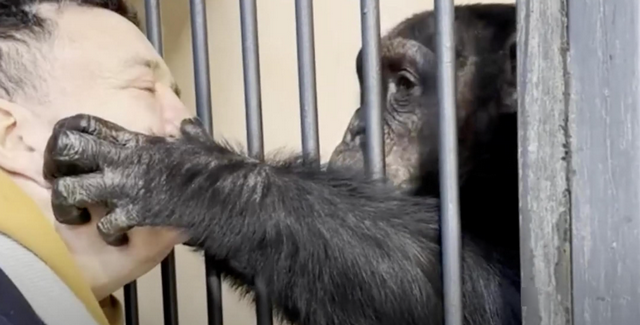
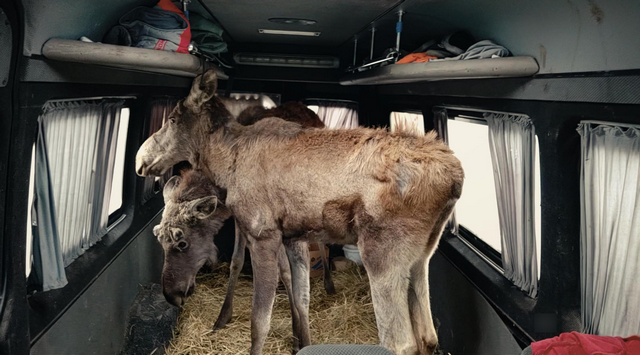
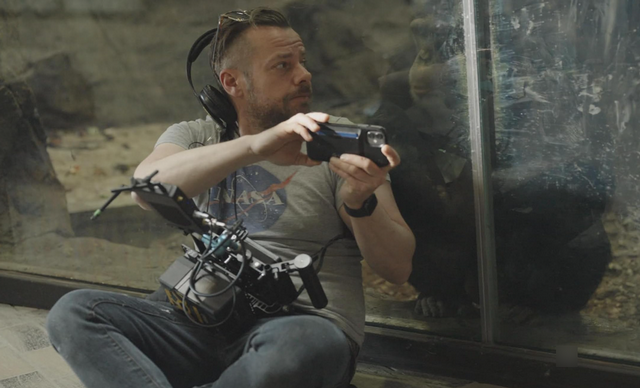
Joshua obtained the initial video footage for the rescues by reaching out directly to the head of the zoo, who initially sent him viral clips. After that, he received nightly video clips from the volunteers, rescuers, and zookeepers, much of which was shot on their cell phones in 30-second clips —often for social media. The project involved sifting through an excess of 300 hours of footage, primarily captured by volunteers and rescuers on their phones, in addition to his own trips to Ukraine for interviews with the zookeepers and volunteers, Mr. Feldman, the head of the zoo, a volunteer veterinarian, and more.
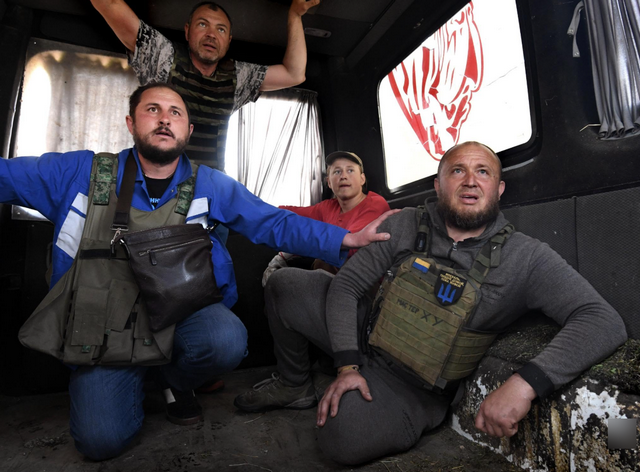
Facing numerous challenges while documenting a war, Joshua filmed in an active war zone, with bombs going off during interviews, and had to work under constant threat and unpredictability, sometimes timing animal evacuations between barrages of attacks. There were also language barriers—Joshua didn’t speak Ukrainian and initially didn’t have a simultaneous translator, so he relied on a fixer and on reading the emotion in people’s eyes. The stress and noise of war affected both the people and the animals, making the rescues and documentation process even more delicate and dangerous. Emotionally intense and logistically complex, Joshua was driven by the importance of the story.
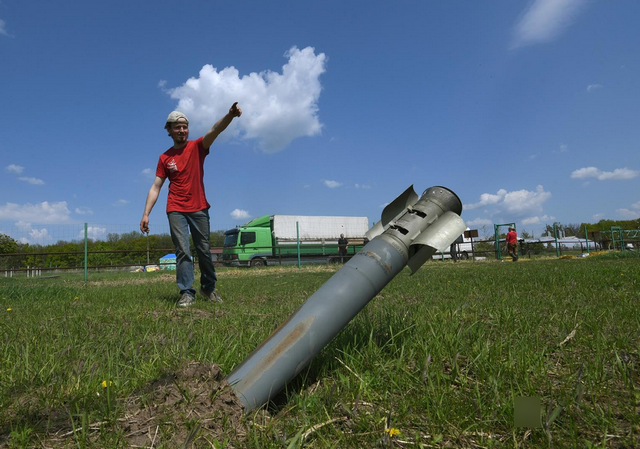
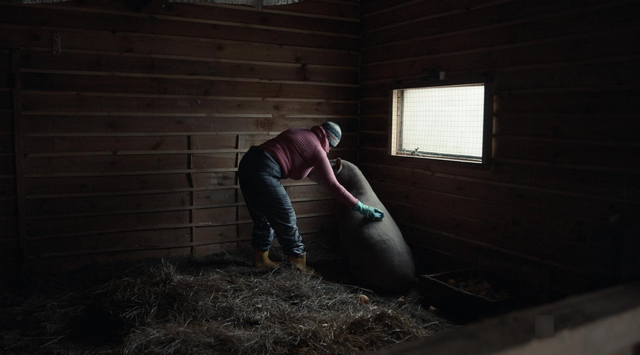
As you’ll hear, at one point, the situation at Feldman Ecopark was so dire that pleas were made on social media for medication for euthanasia because the rescuers and zookeepers couldn’t work fast enough to get the animals to safety and didn’t have enough facilities that would accept them. Without assistance, many of the animals, especially the big cats, would have to be put down or left behind. That was unacceptable to all concerned, as they were determined that no animal would be abandoned. Those social media pleas resulted in more than 10,000 people from around the world calling and offering trucks, cages, anesthesia for transport; some zoos even said they could take all of the predators and big cats. In a segment that might be called “Saving Private Lion”, on Day 42, the evacuation of the predators began, the footage of which gives way to some lighter, albeit more dangerous, parts of the film.
Emphasizing the emotional process of editing and focusing on scenes that evoked strong emotional responses, CHECKPOINT ZOO highlights the resilience of the rescuers, who faced challenges like anesthetizing animals under stress and predicting bombing attacks. Four editors worked together to lay out all the material, select the most representative animals and stories, and even do detective work to track down the best footage. The team also relied on emotional screenings to determine what was working in the assembly. Describing the process as an “unbelievable challenge,” Joshua also found it rewarding and, at times, fun.
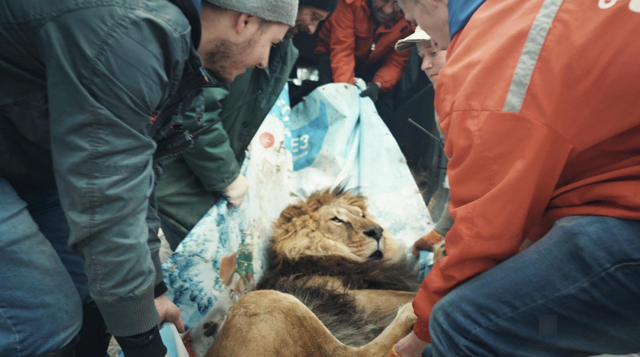
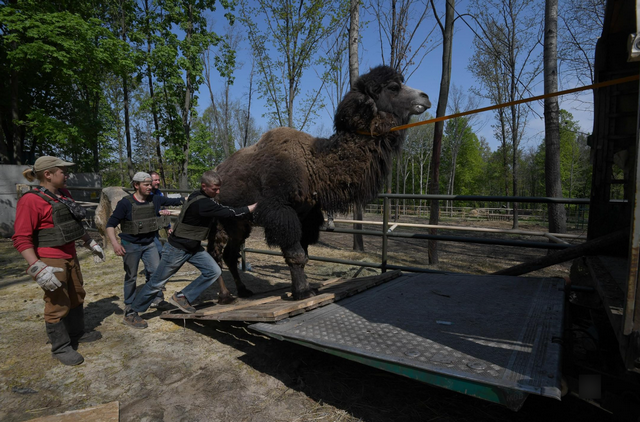
As you watch CHECKPOINT ZOO, and as you listen to this interview, Joshua discusses at length the importance of not showing the death of any animals in the documentary. He wants viewers—especially animal lovers—to know that they can watch the film without seeing animals die. Instead, the focus is on the powerful connection between humans and animals, and the hope and resilience shown during the rescues. This approach was essential in the editing process and throughline development so that people would not be deterred from watching and could fully appreciate the emotional and uplifting aspects of the story, which captures the profound emotional connection between humans and animals, showcasing the humanity restored through their rescue efforts.
An amazing documentary. An emotional and passionate interview.
TAKE A LISTEN. . .
by debbie lynn elias, exclusive interview 08/06/2025
CHECKPOINT ZOO is in theatres across North America beginning August 15, 2025.