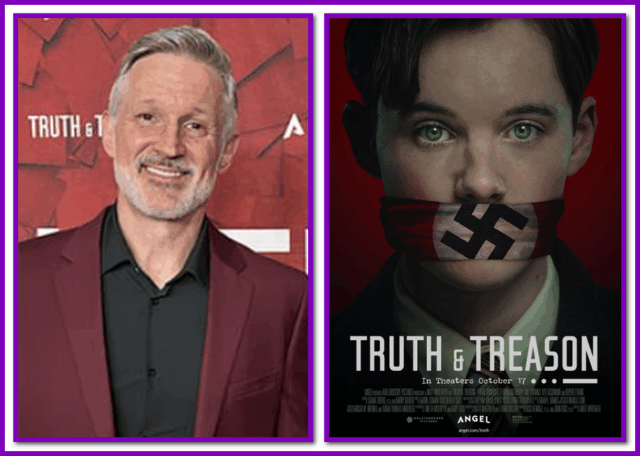
An in-depth exclusive interview with writer/director MATT WHITAKER discussing the powerful narrative film TRUTH & TREASON, based on the true story of German youths Helmuth Hubener, Karl-Heinz Schnibbe, and Rudi Wobbe, who fought Hitler and the Third Reich with the most powerful weapon of all – their words. An amazing true story that has remained untold for too long and now, thanks to Whitaker and Karl-Heinz Schnibbe, comes into the light.
SYNOPSIS: As World War II rages, a teenage boy in Germany (Helmuth Hubener) is forced to confront a terrible truth—loyalty to his country now means loyalty to a lie. When his trusted bishop urges obedience to the Nazi regime, he begins to question everything. And after his Jewish friend (Salomon Schwarz) is taken away, he secretly listens to banned radio broadcasts and launches a resistance, exposing the truth. But in a nation ruled by fear, defiance comes at a cost—and as the regime closes in, he must decide what it truly means to be a good German.
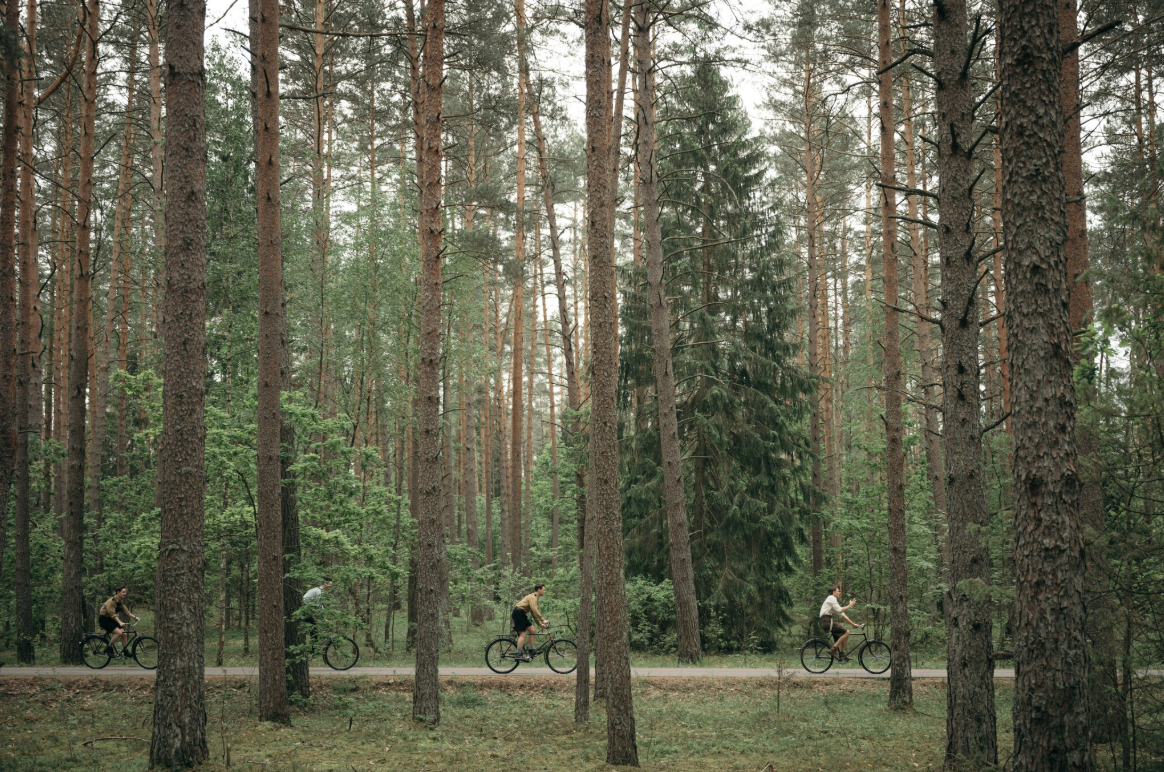
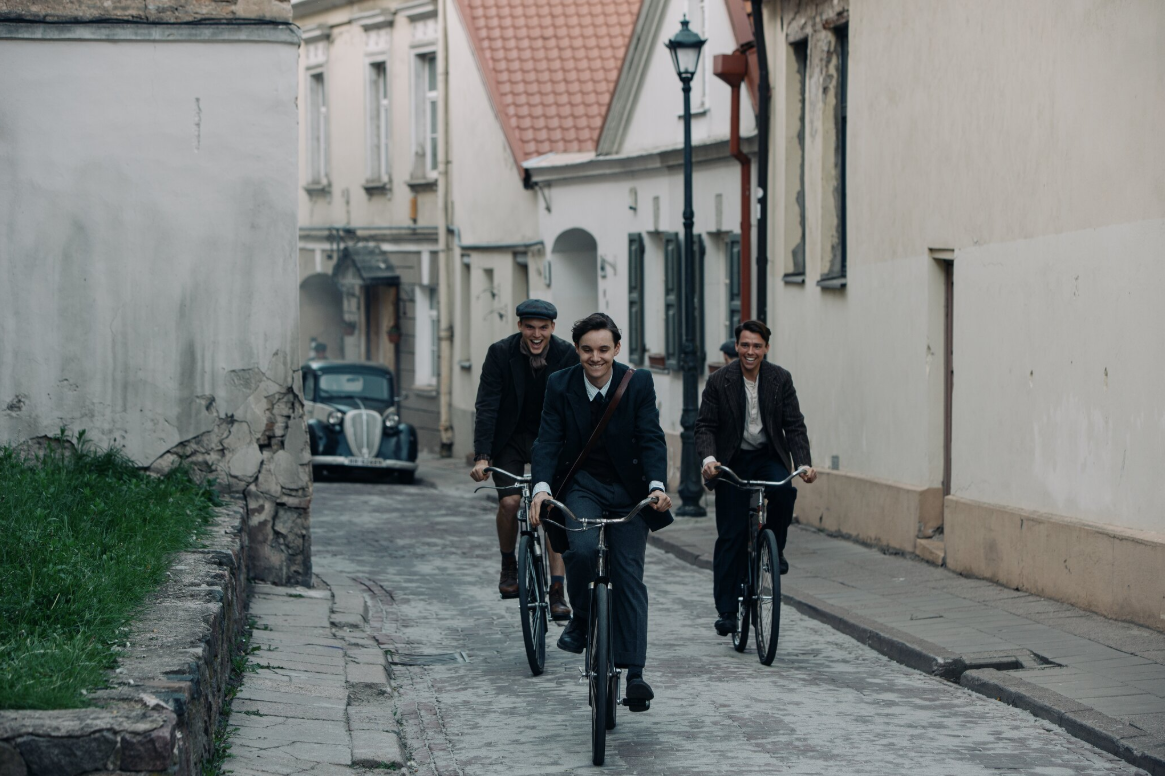
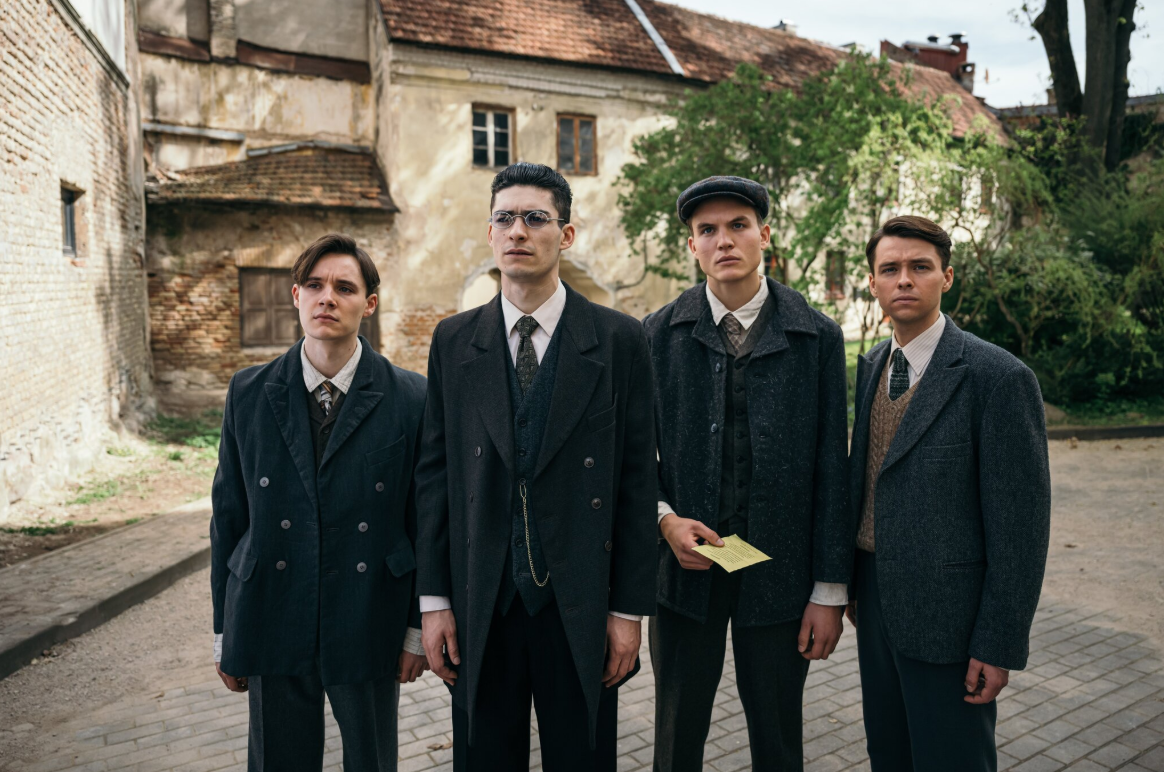
TRUTH & TREASON is directed by Matt Whitaker and written by Whitaker and Ethan Vincent, and stars Ewan Horrocks (Helmuth Hubener), Ferdinand McKay (Karl-Heinz Schnibbe), Daf Thomas (Rudi Wobbe), Nye Occomore (Salomon Schwarz), and Rupert Evans (Erwin Mussener).
MATT WHITAKER is a gifted storyteller and filmmaker with a great affinity for the World War II period and elements of faith. Just look at some of his scripts, Instrument of War, Saints and Soldiers, The Work and the Glory II and III, the documentary Truth & Conviction, and the episodic investigative series, Messiah: Behold the Lamb of God.
The origin of TRUTH & TREASON began in 2001, when Matt Whitaker met Karl-Heinz Schnibbe, the last surviving member of the Helmuth resistance group. Deeply moved by Karl’s experiences, Matt conducted extensive research, interviewed everyone who knew Helmuth, and created a PBS documentary in 2002, “Truth & Conviction“. As new information came to light—especially about Gestapo agent Erwin Mussenur—the story continued to evolve, eventually leading to the development of a feature film screenplay and, after a long journey with many setbacks, this completed film. Interestingly, Matt was not always going to direct the film. Originally, the script was written by Matt and his writing partner, Ethan Vincent, and was optioned to a producer with another director attached. However, in 2005, Matt had a realization that he knew the story best and should direct it himself, so he got the rights back and began directing the project.
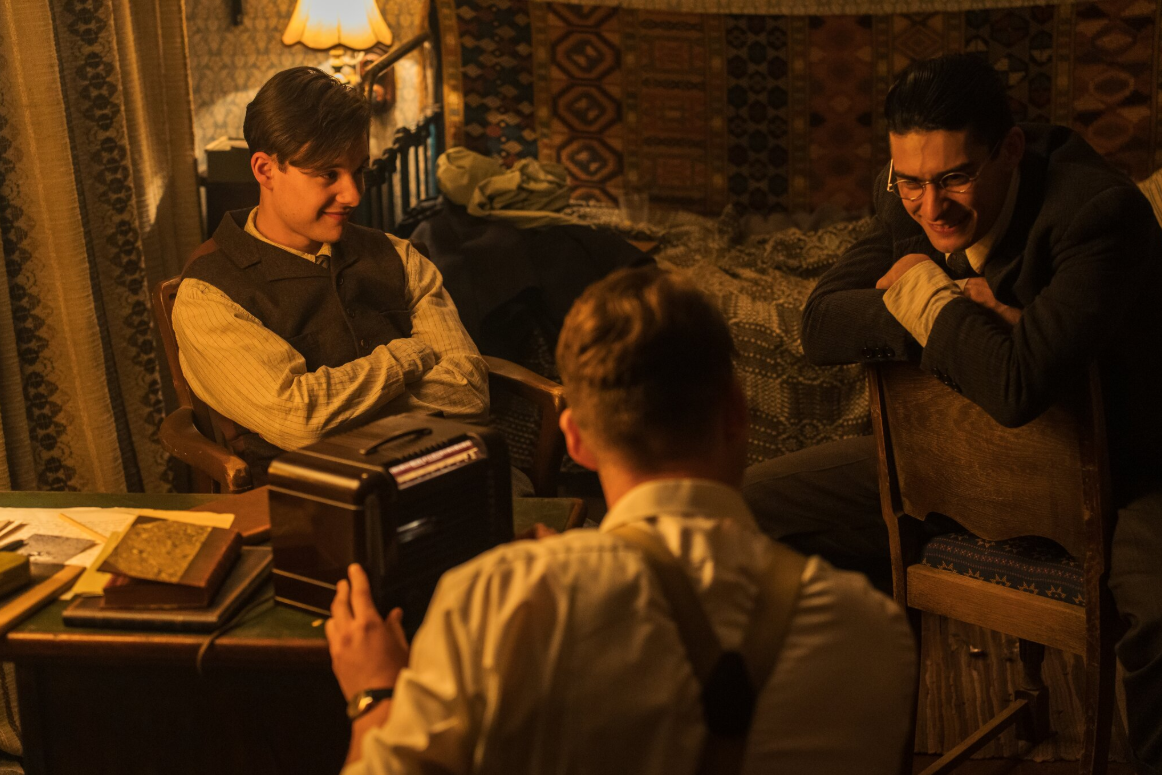
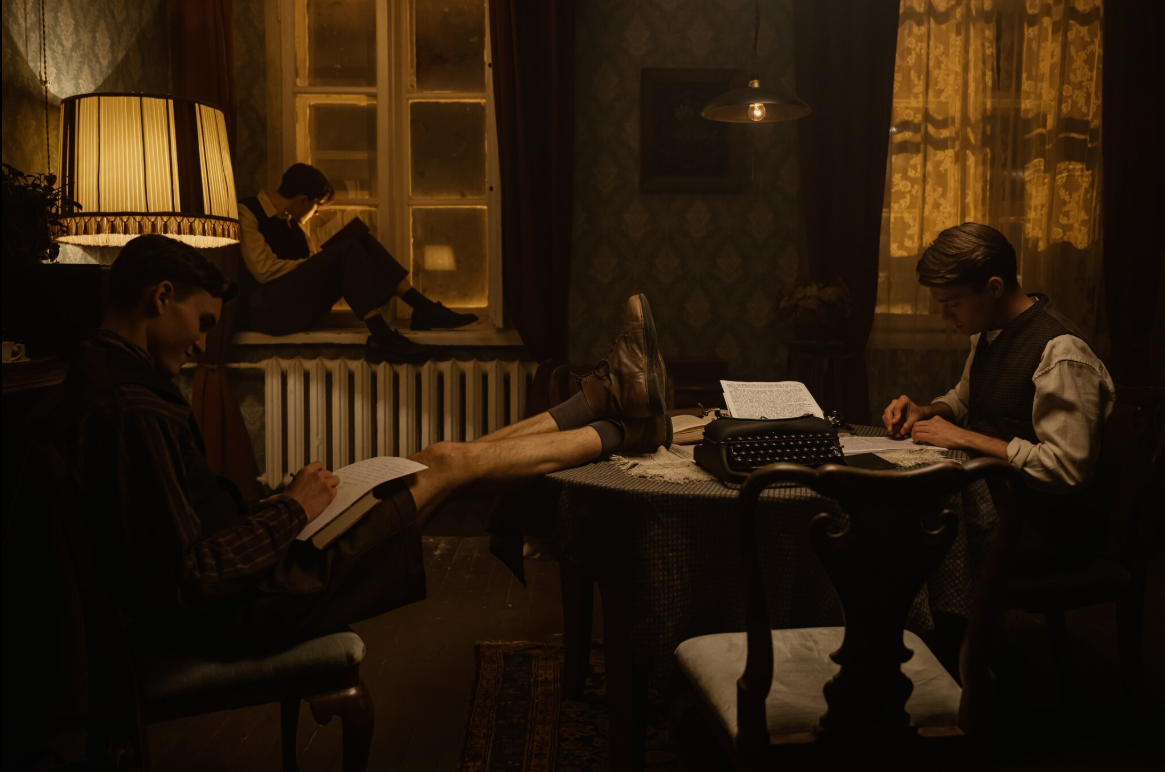
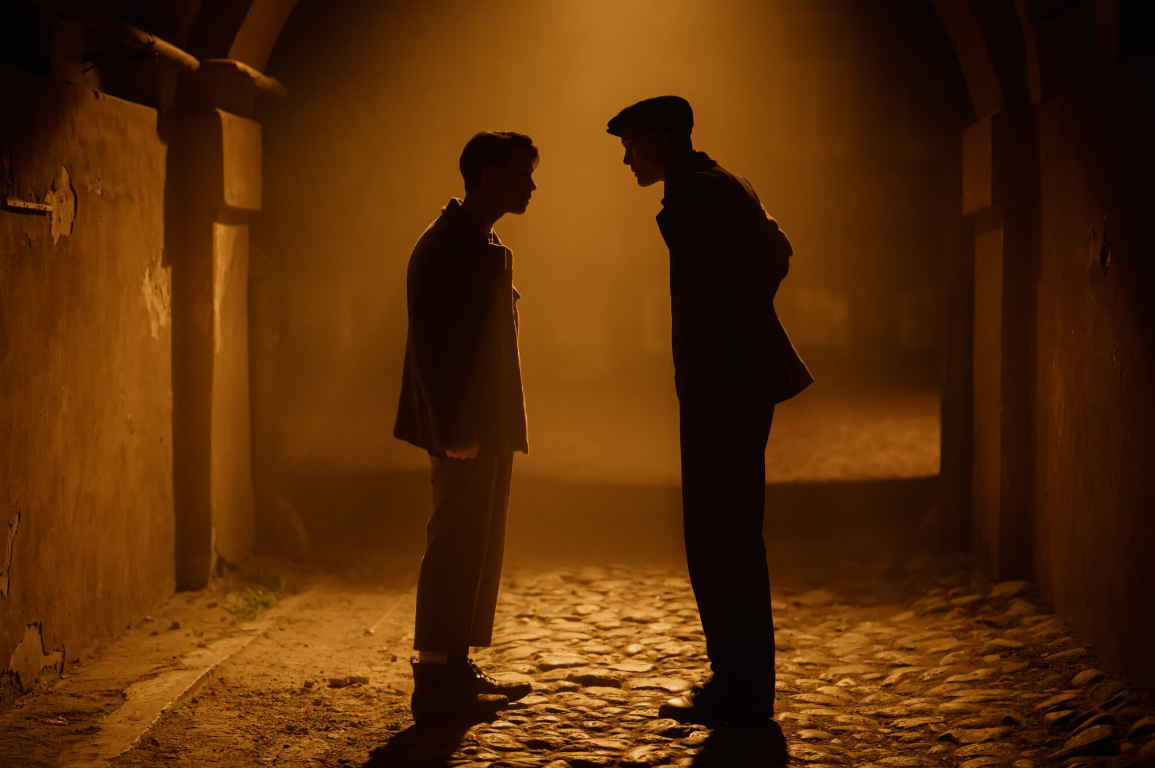
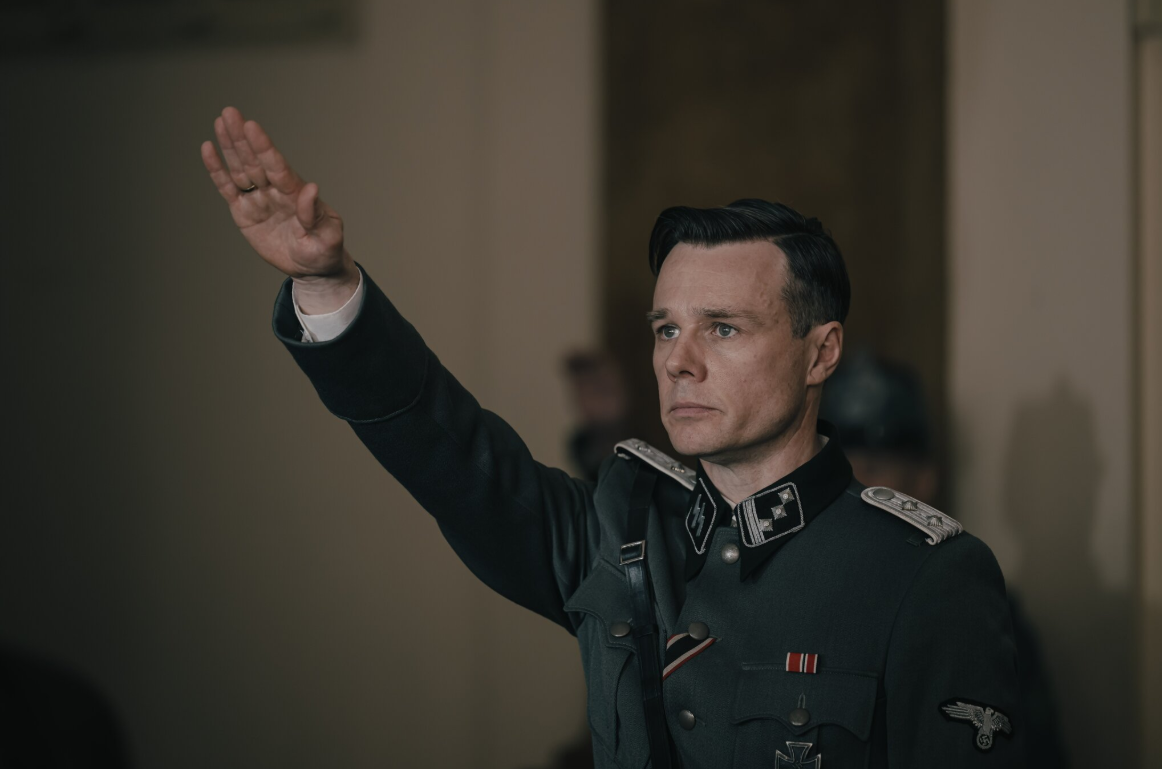
Once the script was in place and Matt confirmed a director, his first big hurdle was casting, starting with finding the right young actor for Helmuth and ensuring the cast could authentically portray the story’s emotional depth. Because of this, Matt decided to cast the film out of the UK to reflect the European story, despite it being filmed in English. The casting director, Sarah Trevis, worked to gather a strong ensemble, and chemistry tests were conducted to ensure the four main boys bonded—a process reinforced by bringing them together for rehearsals before filming. As strong as the boys were, the primary German Gestapo official, Erwin Mussener, had to be equally as strong, if not stronger. Casting Erwin Mussener was considered a crucial task, as every role needed to be strong, particularly the antagonist. Rupert Evans was chosen to play Mussener because he was seen as a fantastic fit for the role. The entire casting process was selective and intentional, ensuring each key character was cast with care to fully realize the story’s emotional depth and authenticity.
One of the biggest challenges for the actors from an emotional standpoint, particularly for Ewan Horrocks (Helmuth), was the fact that they were shooting out of continuity, which required Ewan to track Helmuth’s character development extremely closely in order to achieve the right emotional levels. Ewan’s range of emotion is beyond impressive, and his performance, including his physicality, infuses and informs at every turn.
As Matt breaks it down in this exclusive conversation, insisting on authenticity and historical accuracy, real historical locations in Lithuania were used (which emotionally impacted the cast and crew and which Matt goes into chilling detail about), and capturing the right visual and atmospheric tone, such as the contrasts of light and darkness and the physical constraints of tunnels and cells.
Calling on cinematographer Bianca Cline, Matt and Bianca developed a visual grammar that was not only cinematic but that captured and supported the emotion of each and every scene.
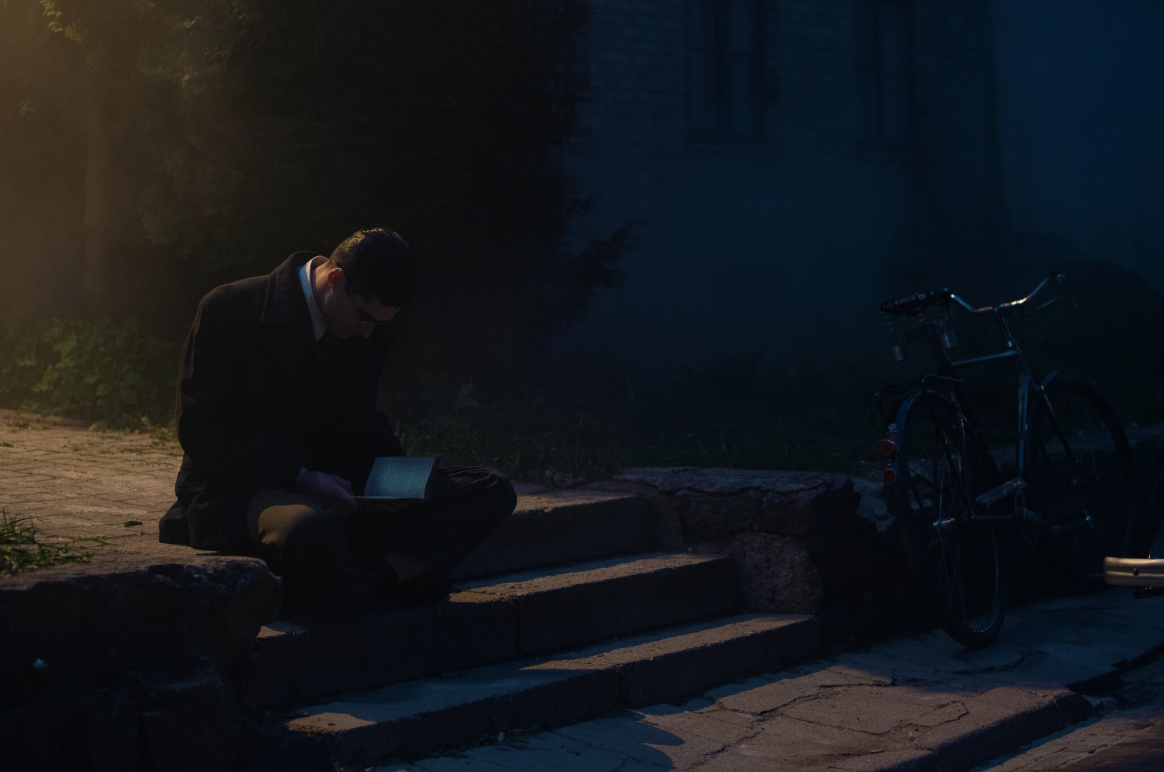
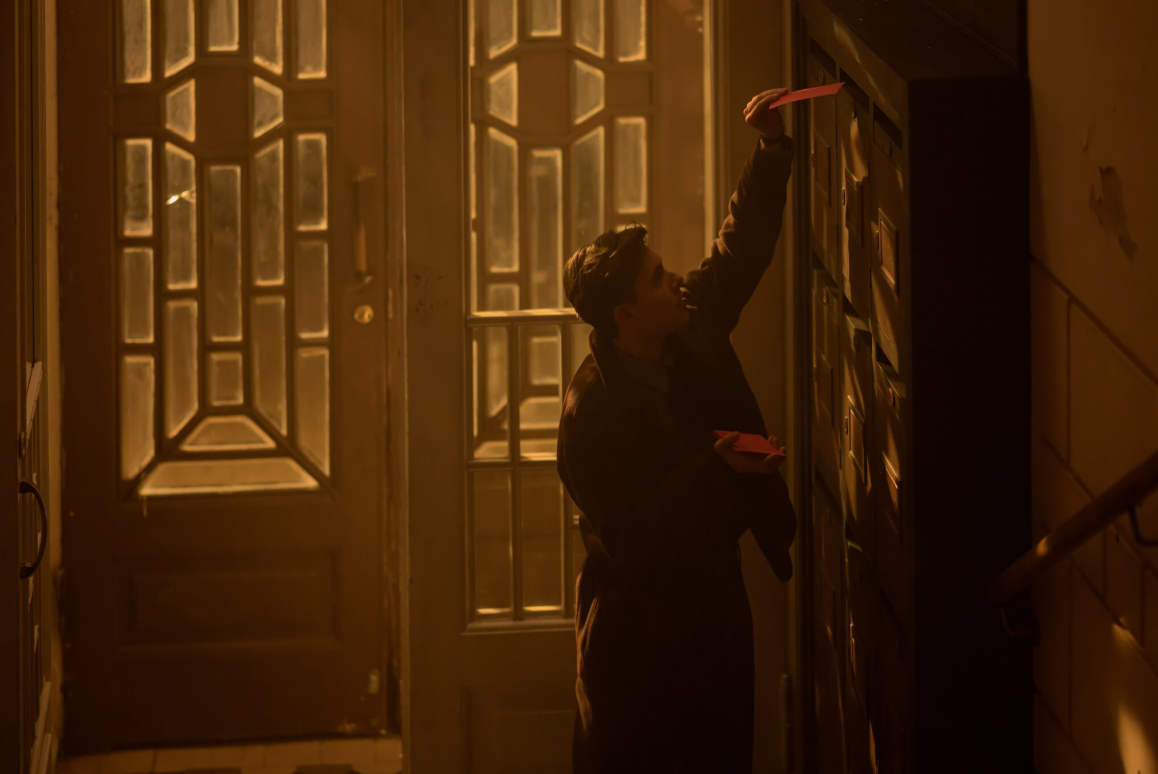
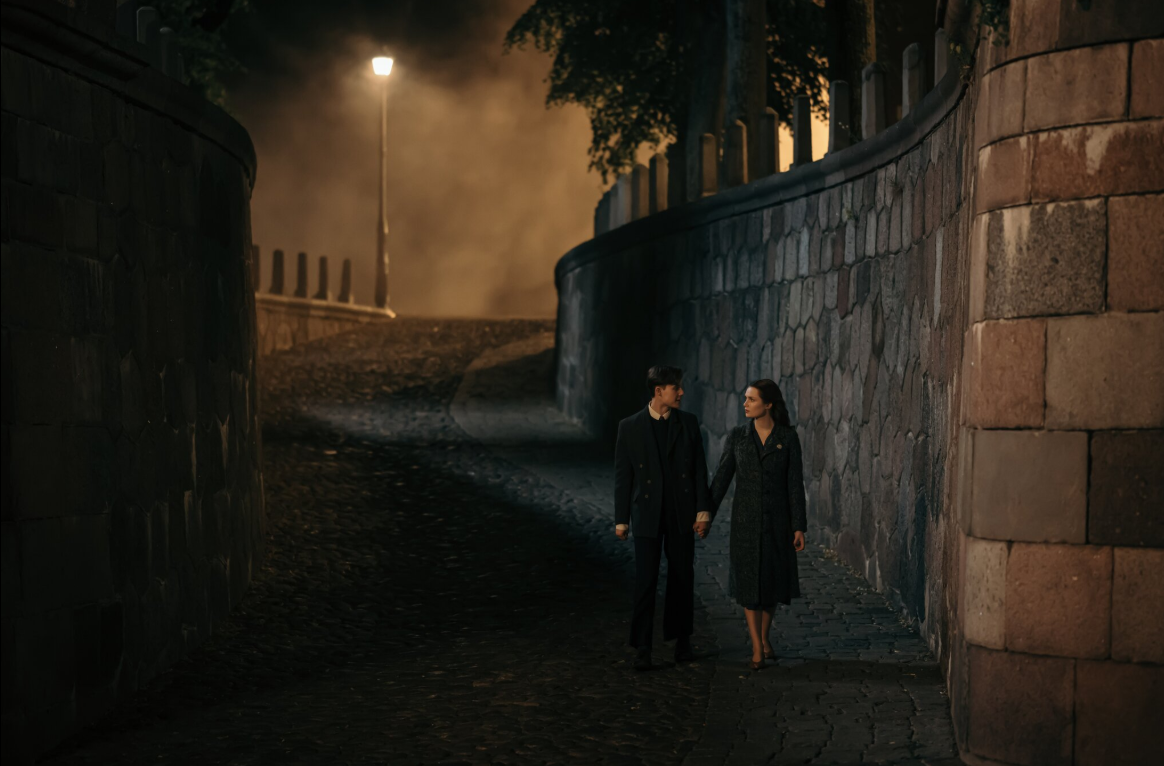
Approaching the visual and thematic elements of TRUTH & TREASON with meticulous attention to both authenticity and emotional resonance, Matt’s considerations and approach were primarily broken down as follows:
- Visual Inspiration: Matt and Bianca spent significant time studying films and historical black-and-white photographs from the 1930s, aiming to capture the distinctive “bloom” of light and the interplay of shadow and illumination. While the film isn’t in black and white, they sought to recreate the emotional effect — emphasizing darkness to make moments of light, and thus hope, more powerful.
- Authentic Locations: Many scenes were shot in real historical sites in Lithuania, such as actual tunnels and cells once used by Nazis and the Gestapo. The real environments, including rooms with original wall markings from prisoners (names and dates carved into the concrete), brought gravity and influence to the performances and cinematography.
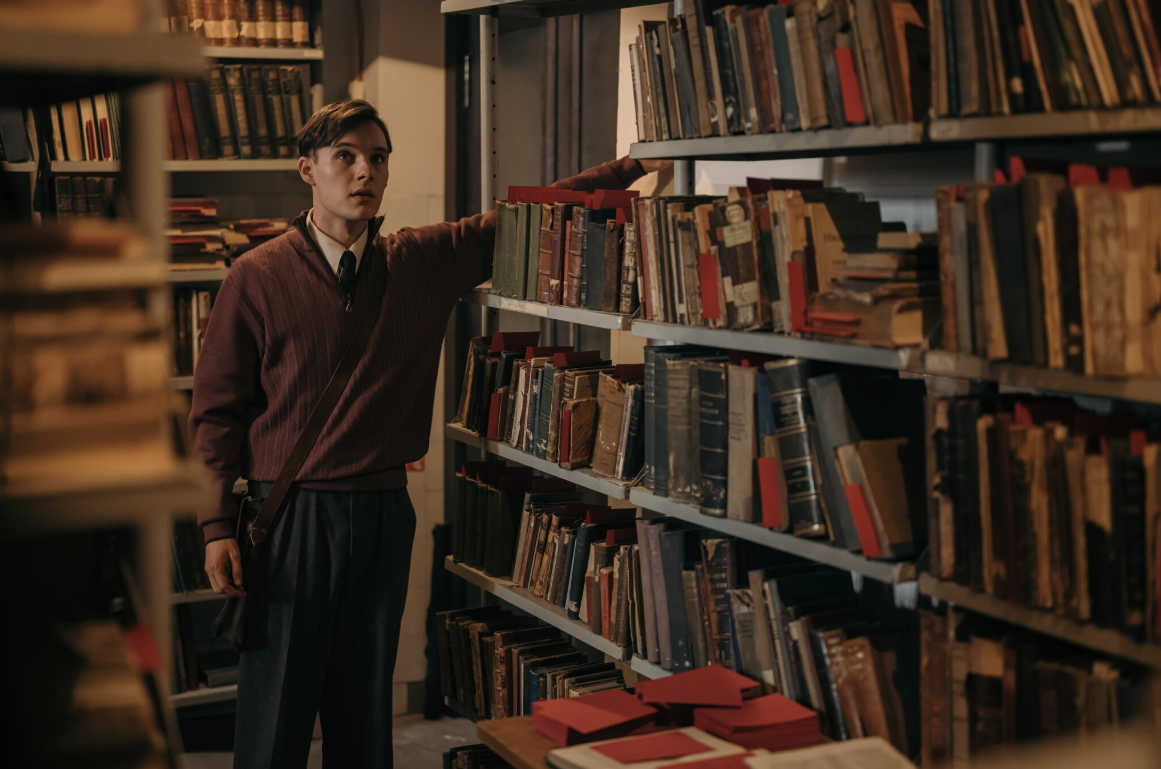
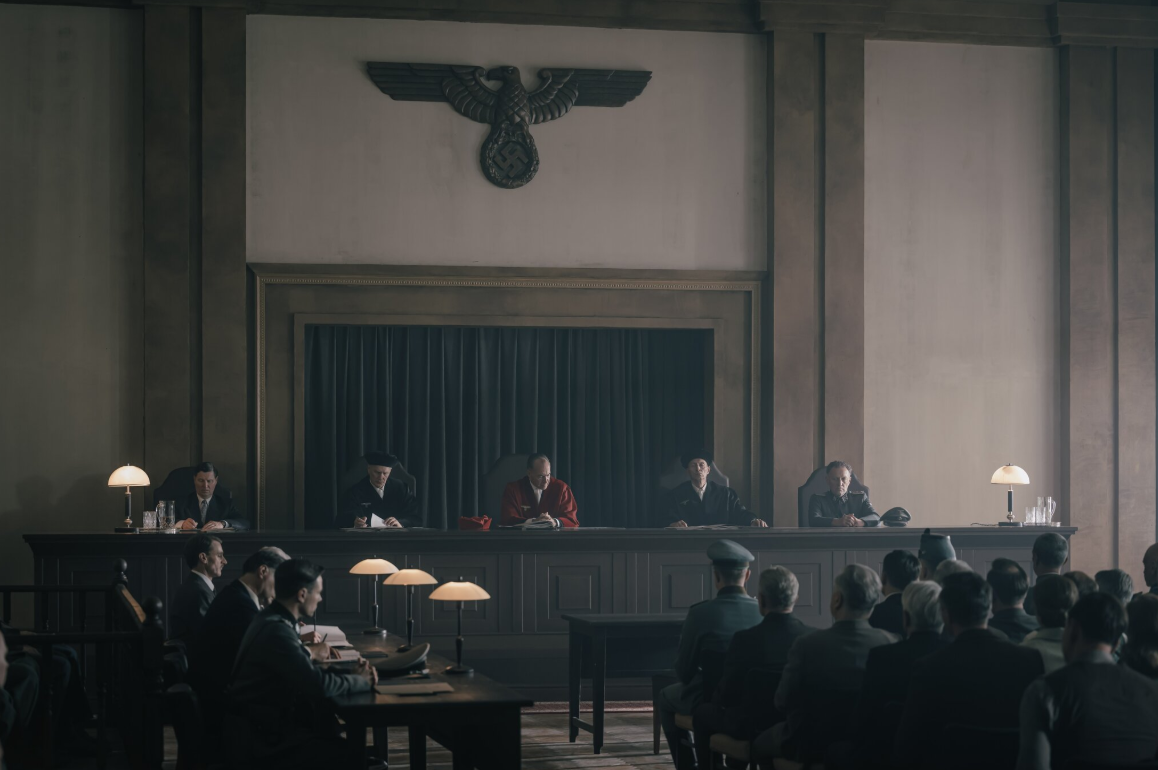
- Set and Design Details: High praise indeed for production designer, Jurgita Gerdvilaite, and her detailed, historically accurate sets—such as the City Hall with its “big brother” viewpoint, inspired by accounts from Karl-Heinz. The sets embodied both grandeur and claustrophobia, using desk layouts, lighting, and architecture to symbolize surveillance, secrecy, and oppression, while the archive areas of the building were dark, dank, with narrow corridors and minimal lighting metaphorically speaking to things being hidden and covered up.
- Thematic Use of Light and Darkness: The visual approach extended the film’s theme, juxtaposing hope and hardship. Chiaroscuro lighting symbolized the “reality of the darkness” faced by the young resisters and the preciousness of finding hope (“the light”) in such times.
- Symbolism in Texture: Even the choice of lighting in the tunnels (creating “a sickly yellowish pallor”) and the strategic use of historical artifacts, like period Remington typewriters, contributed both to visual authenticity and thematic symbolism—themes of concealment, resistance, and the pursuit of truth.
- Sound Design: The sound design by Formosa Group is a crucial element in the film. According to Matt, their approach was multi-layered as they considered not just the obvious sounds the audience is consciously aware of, but also subtle background noises that exist just at the edges of awareness, and even deeper, subconscious auditory cues woven into the overall soundscape. For example, key motifs—such as the “dot dot dot dash” Morse code for “V” (Victory)—were intentionally placed at important moments throughout the soundtrack, sometimes even embedded into the sounds of typewriter keys to reinforce Helmuth’s resistance. In the montage where Helmuth starts using his typewriter as a weapon, gunfire-like elements were integrated with the sound of the keys, adding metaphorical weight to his actions. Formosa’s helped create an immersive historical environment, layering the ambient city noise, the unique timbre of various Remington typewriters, and integrating Aaron Zigman’s score to heighten drama and evoke the era. The meticulous attention to these sound details greatly enhanced the film’s emotional resonance, authenticity, and atmosphere.
- Score: Musically, Matt wanted the score to have a sound that would deeply integrate with the film’s narrative and emotional landscape. Composer Aaron Zigman crafted the score to emphasize key motifs, particularly during the typing montages. The music was balanced thoughtfully within sound design to heighten tension, evoke the dangers and hopes of the characters, and reinforce the concept of standing up against oppression. The overall aim was for the music to resonate with the story’s courage and underlying themes.
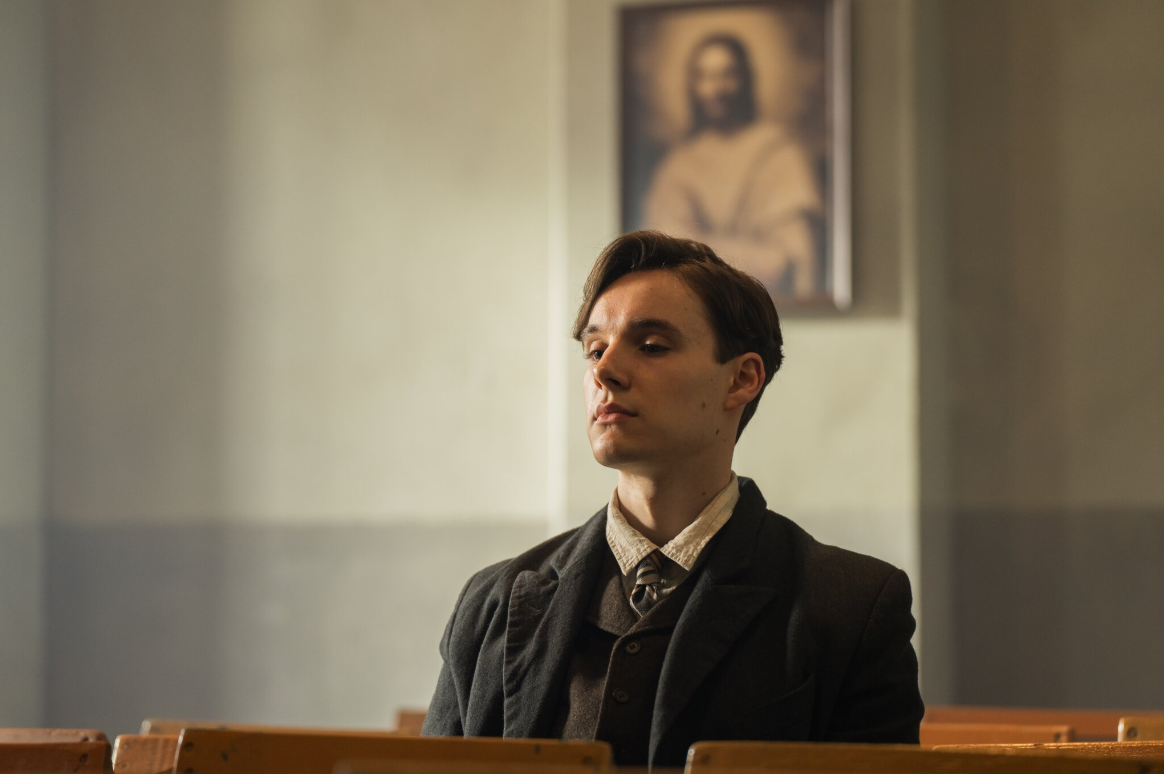
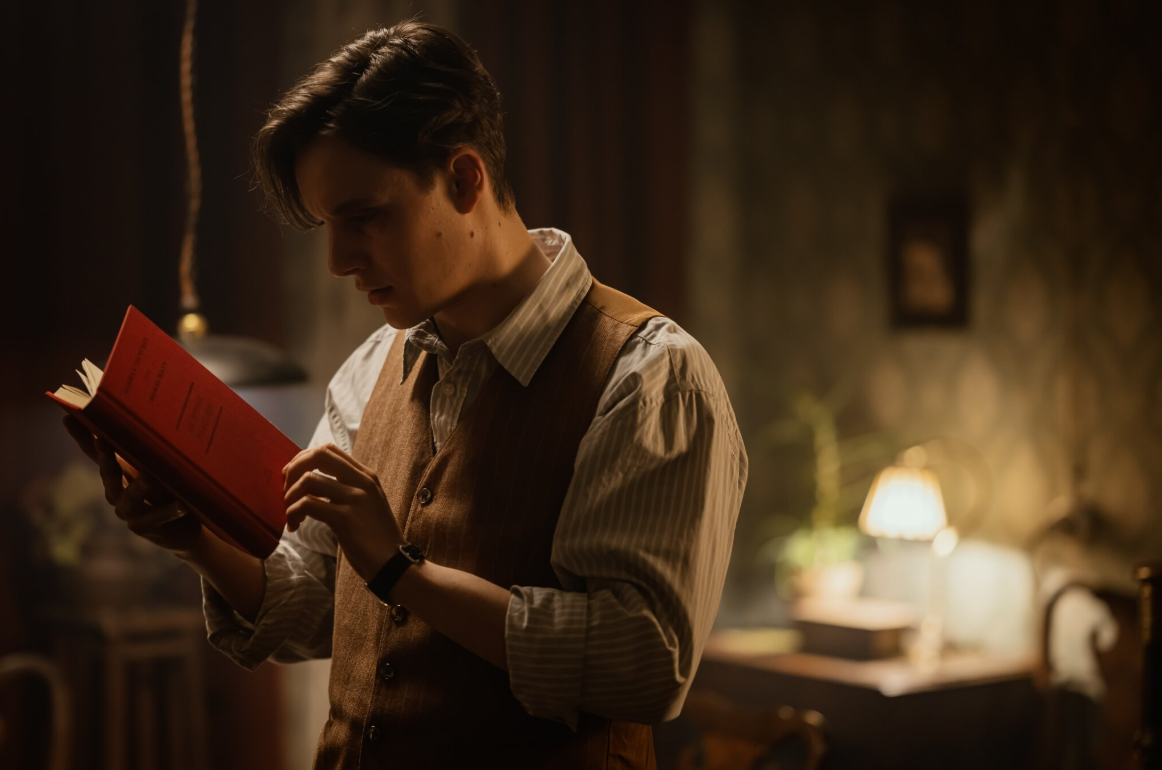
As Matt explains, the editing process was quite challenging. Interestingly, the team shot enough material for a four-part limited series, totaling around four hours of content, but also needed to create a two-hour theatrical version. Crafting and editing both versions required careful consideration—first assembling an all-inclusive cut to assess the narrative, then making difficult decisions on what to keep for the shorter film while still ensuring cohesion and emotional impact. Despite the difficulty, they managed to produce a two-hour feature that works very well, while the four-part series allows for much deeper exploration of characters and story, some of which Matt gives us some teasers on.
And there’s more detail and topics in the interview itself.
As this is a true story and we aren’t giving you any spoilers, know that Matt carries the film and this interview, to include the final determination and disposition of Helmuth, Karl, and Rudi. I encourage you, when you watch the film, to stay through the credits for the epilogue and photos of the real boys. An extremely passionate and insightful interview into the making of TRUTH & TREASON, Matt’s determination, along with that of distributor Angel Studios, delivers a piece of history that should be of interest and importance to all of us.
TAKE A LISTEN. . .
by debbie elias, exclusive interview 10/16/2025
TRUTH & TREASON is in theatres now.