Writer/Director ASHLEY CAHILL goes in-depth in this exclusive interview discussing RESURRECTION ROAD.
SYNOPSIS: An elite squad of six soldiers, led by ex-slave Barabbas, is sent on a suicide mission to infiltrate a heavily guarded Confederate fort hidden deep in the Arkansas wilderness. Their objective: destroy the fort’s long-range guns and shift the tide of the war. But as they venture further into enemy territory, the mission takes a chilling turn. The soldiers uncover a dark and sinister secret buried within the heart of the forest—one that will test their courage, loyalty, and will to survive like never before.
Written and directed by ASHLEY CAHILL, RESURRECTION ROAD stars Malcolm Goodwin, Michael Madsen, Furly Mac, Triana Browne, Okea Eme-Akwari, Randall J. Bacon, and Jeff Daniel Phillips.
In this exclusive interview, ASHLEY CAHILL goes into detail on RESURRECTION ROAD, a Civil War genre film, from the genesis of the idea through all the steps of production. A film that excels in certain aspects of historical accuracy, Ashley discloses that the original story involved Confederate and Union soldiers without vampires, but budget constraints led to their addition, making this more of a genre film. As we break down the film and production elements, Ashley highlights the collaborative process with editor Tommy Aagaard and cinematographer Samuel Calvin, who used Oklahoma locations and set builds. The film’s score by Jacques Brautbar was originally designed to blend Western and horror elements, although this was later adjusted. Also discussed is the diverse cast, including Michael Madsen, who delivers one of his best and most poignant performances in years. And while no production is ever free of difficulties, Ashley had more than his share here as he relates the challenges faced during production, including a tornado and cases of COVID.
As Ashley explains, the original script was a character-driven story about Union and Confederate soldiers encountering a third entity, similar to films like Southern Comfort or Deliverance. When the film’s producers suggested adding vampires to make it more of a genre film, Ashley adapted the existing character backstories to fit the new narrative. He wrote additional elements like Quantrill’s (Madsen) backstory as a slave catcher and incorporated vampire mythology, such as the idea that vampires don’t dream because they don’t sleep. The change was primarily driven by budget constraints and the desire to make the film more marketable as a horror genre piece.
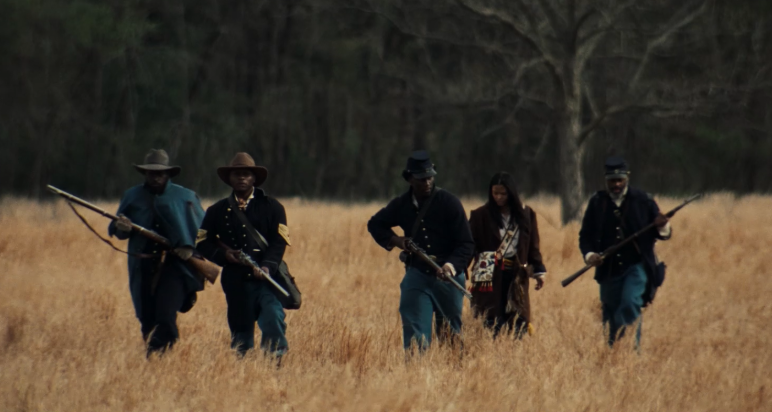
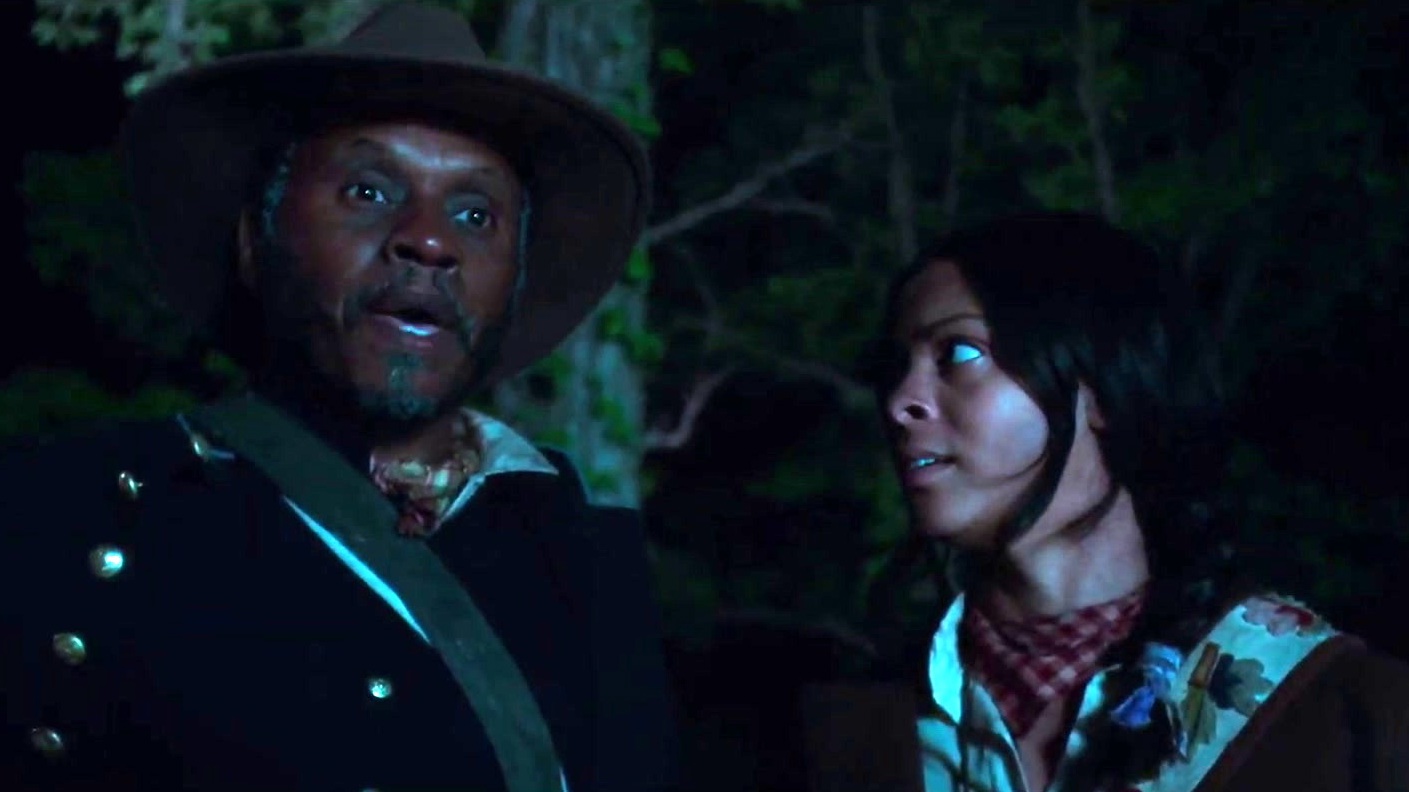
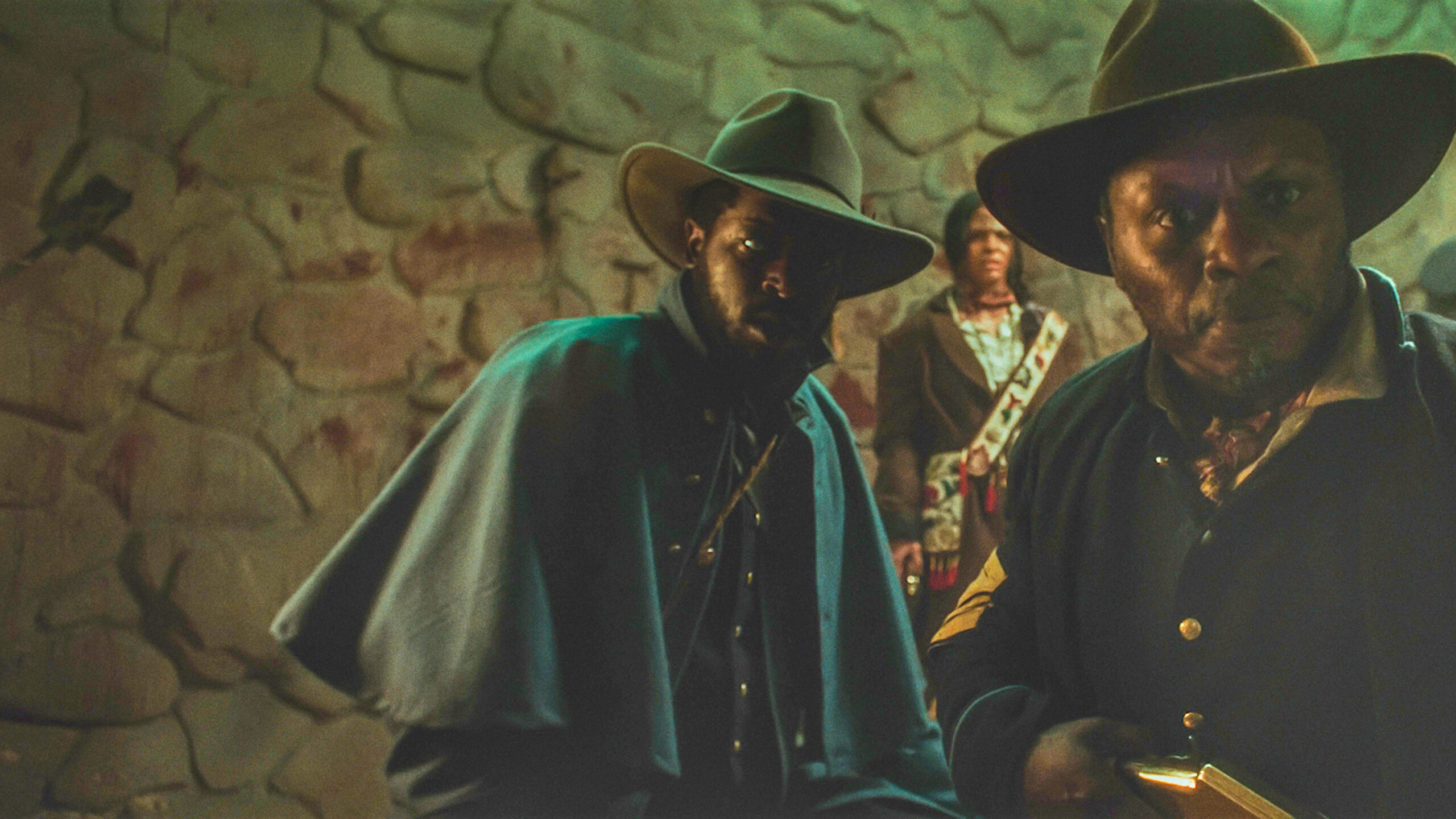
One of the biggest changes to the RESURRECTION ROAD script was the addition of Michael Madsen’s character of Quantrill. Quantrill was inspired by a real historical figure like Quantrill and his Raiders, as well as Bill Anderson, who fought for the Confederacy. In developing the character, Ashley added a fictional backstory that Quantrill was a former slave catcher and was “baptized”, which made him particularly mean and evil. This backstory of Quantrill was created after the decision to add vampires to the film and was not part of the original script. Because Michael Madsen was cast as Quantrill, Ashley wanted to give depth to the villain by creating a complex historical and supernatural background that explained Quantrill’s ruthlessness. He definitely succeeded. Interestingly, Ashley mentioned that for Madsen’s key scene in the catacombs, they decided to focus on a powerful speech about vampires not dreaming rather than a choreographed fight. Ashley wrote the monologue the night before, and Madsen learned it that afternoon. Noting that Madsen liked to do less action if possible, his casting was a collaborative choice that allowed Madsen to deliver a nuanced, powerful, and compelling performance. Ashley has nothing but praise for Madsen, particularly in the catacombs scene. (NOTE: To hear more about Ashley’s work with Michael Madsen on RESURRECTION ROAD, go to the approximate 24-minute mark of the interview.)
Another casting standout is Malcolm Goodwin as Barabbas. Goodwin is riveting to watch and brings depth and believability to the character and his place within the story. A wonderful surprise is Triana Browne as Native American Tsula. Although contemporized in language, syntax, and cadence, bringing in an indigenous character, and a woman at that, elevated the story and gave an added dimension to the squad of soldiers.
Working with cinematographer Samuel Calvin, they developed a visual grammar based on several key principles. Aiming to create a classic, old-fashioned feel by avoiding handheld shots and using dolly tracks extensively, even in challenging outdoor terrain, they established rules like minimizing handheld camera work to differentiate from typical low-budget indie films. They focused on deliberate camera movements, using dollies and sticks to create a more intentional visual style. For night scenes, they shot night for night and used a specific color palette, gradually introducing more green tones as the characters approach the fort to create an unsettling atmosphere. Samuel used creative lighting techniques, particularly in tight corridor spaces, to maintain visual interest and tension. The cinematography aimed to build tension through careful framing, use of natural light filtering through trees, and strategic camera movements that keep the audience uncertain about what might be lurking just out of frame.
Production design was a blend of real location and set builds by O’Shay Brooks and his team. Necessary sets were built quickly and created for the film’s period setting, noting that they constructed the fort interiors, telegraph room, dungeon, and gun set in just two weeks. Ashley was particularly impressed that they managed to create these complex sets with a limited budget, and had nothing but praise for everyone on the Oklahoma crew who worked extra hours, including weekends, to complete the sets. RESURRECTION ROAD is Ashley’s first film working primarily on sets, as his previous films were location-based.
Collaborating with editor Tommy Aagaard, the initial cut of RESURRECTION ROAD had a more action-oriented, choppy editing style akin to what we would see in an MCU film, which was Tommy’s background as an assistant editor. Ashley wanted a slower, more atmospheric approach, reminiscent of 1970s filmmaking. Tommy was very collaborative and quickly adapted to Ashley’s vision, agreeing to hold shots longer and not cut to every speaker. They worked together to pace the film, especially in the first half, intentionally crafting the edit to build tension gradually. Initially, Ashley wanted an even slower pace, but budget constraints and genre expectations influenced the final structure. The first half of the film focuses on character development, introducing the soldiers and their dynamics while maintaining a sense of mystery. Around the 43-minute mark, the film begins to reveal more of its supernatural elements, which gives the film a “slow burn” feel. The deliberate pacing allows viewers to become invested in the characters before the vampire and action elements fully emerge, creating a more engaging and suspenseful narrative experience. Working together, Ashley and Tommy achieved a measured, atmospheric progression that builds tension without rushing the story.
Emphasizing the collaborative nature of the production team with the cinematography and editing, the musical score was equally collaborative, working with composer Jacques Brautbar. Describing their collaboration as “highly flexible”, Ashley would use temp music only to set the mood, then encourage Brautbar to surprise him with original compositions. Initially, Ashley wanted a score that transitioned from Western to horror, though the final version maintained a more consistent horror tone. Jacques created a relentless, driving score that often incorporated ambient sound elements, which Ashley considers Jacques’s best work to date. The key to their collaboration was mutual respect and willingness to adapt. Be it Samuel Calvin, Tommy Aagaard, or Jacques Brautbar, all were open to Ashley’s creative input, making changes without taking criticism personally, which allowed for a more dynamic and creative filmmaking process.
TAKE A LISTEN. . .
by debbie elias, exclusive interview 06/10/2025
RESURRECTION ROAD is available in select theatres, On Demand and digitally.