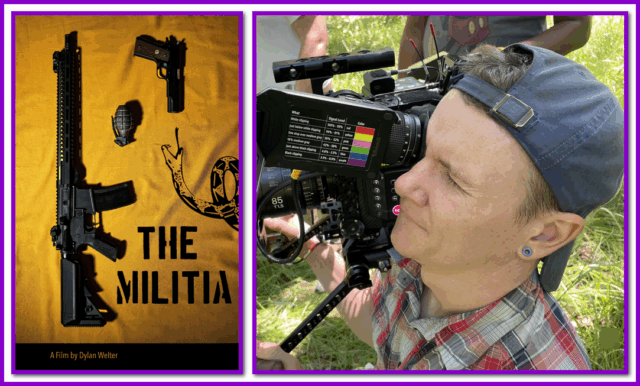
A very deep dive in this exclusive interview as writer/director DYLAN KING WELTER discusses his latest film, the controversial and thought-provoking drama, THE MILITIA.
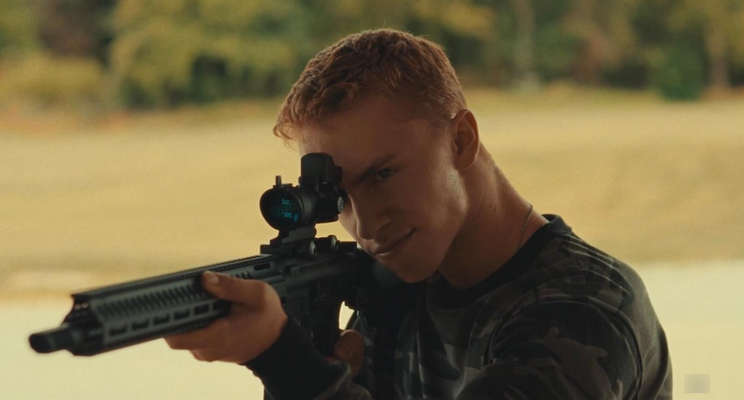
SYNOPSIS: Daniel Pierce just wants to turn 18, join the local militia, and stand up to the government just like his father. But when his father is forced into hiding after skipping bail, Daniel enlists his teenage friends to form their own militia with the sole purpose of putting the local sheriff in his place and rescuing his dad. A riveting story of a teenage boy in rural Middle America with an upbringing focused on “faith, family and firearms”, attempting to navigate the thin line between freedom and tyranny, as he is ultimately forced to examine if he is, in fact, the threat he fought so hard to prevent.
Written and directed by DYLAN KING WELTER, THE MILITIA stars Sam Williamson as Daniel Pierce along with Michael Broderick, Laurel Feierbach, Luke Stratte-McClure, Chris Bylsma, Solomon Puckett, Scott Callenberger, Noah Aronstein, and Elliott Daggett.
Speaking at length in this exclusive interview with writer/director DYLAN KING WELTER fresh off his World Premiere of his new film THE MILITIA, held at the TCL Chinese Theatre during the Dances With Films festival, was a real treat. Enthusiastic about the festival process with DWF, the overwhelming response of the audience and the cast (many seeing the film for the first time), and the post-screening interest by multiple distributors, as you’ll hear, Dylan’s joy is infectious and sincere. As he elaborates, the large turnout and a successful post-screening Q&A, especially given the hot topic subject matter of THE MILITIA, were both unexpected and extremely welcome.
Deeply interested in exploring how extremism develops, particularly in a vacuum where individuals are raised with limited perspectives, Dylan “wanted to examine the journey of how someone can become radicalized, not to glorify it, but to understand the complex social and psychological mechanisms that lead people down dangerous paths.” The film aims to show how ideology can spread through peer pressure, family influence, and isolation, without being preachy. “My goal was to create a nuanced portrayal that sparks conversation about how extremism takes root and the importance of understanding different viewpoints.”
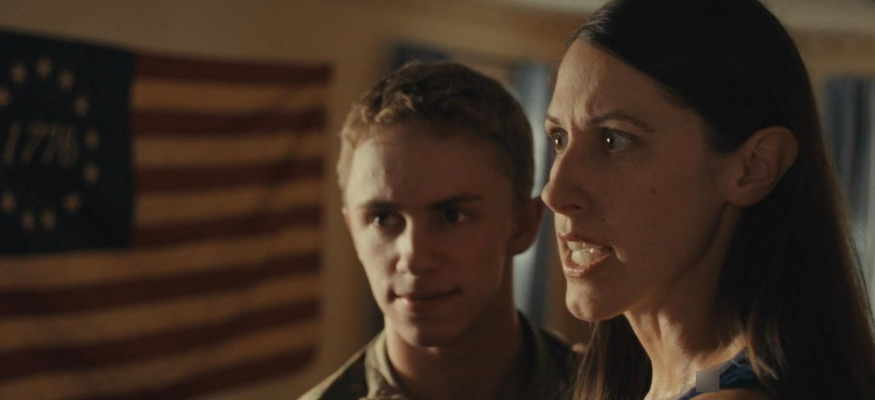
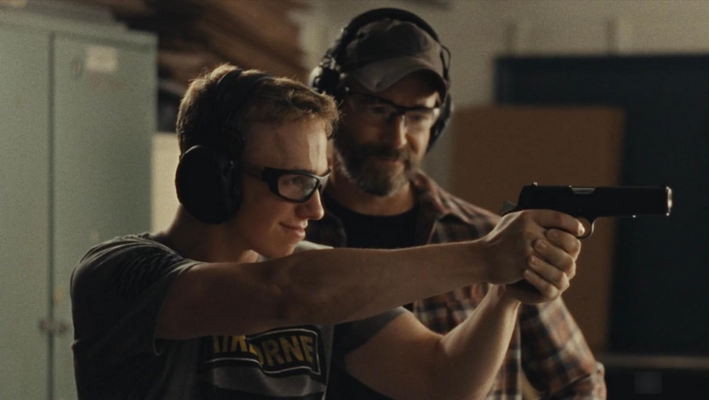
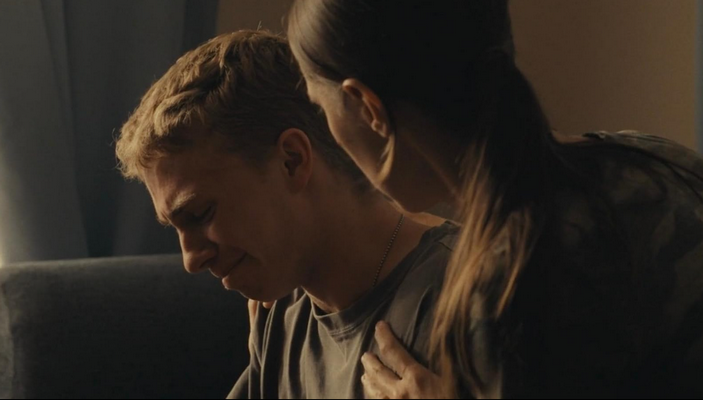
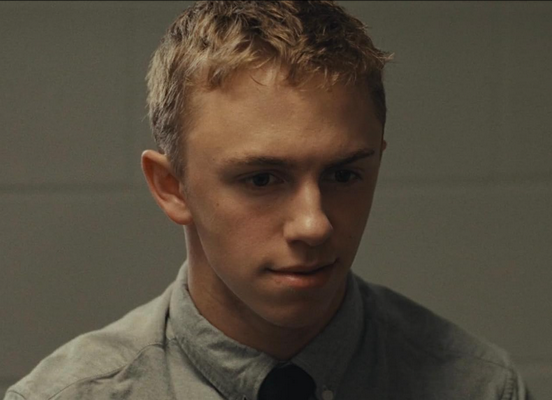
Diving into the “making of” THE MILITIA, one of the key elements of the film is the breakout performance by Sam Williamson as Daniel Pierce. Without Sam and what he brought to the table, THE MILITIA would not be what it is today. On seeing the film, I think you’ll agree that it’s hard to believe THE MILITIA is Sam’s first on-screen performance. An extremely collaborative process, working to create a layered portrayal of a character caught in an extreme ideological environment and exploring how someone can become radicalized through peer pressure and limited worldview required patience and intensity. As Dylan elaborates, he worked closely with Sam to develop the character of Daniel Pierce. Spending time discussing the character’s backstory and nuanced motivations helped Sam understand the role deeply. Since this was Sam’s first on-screen performance, they focused on the granular details of the character. Particularly helpful to Sam’s performance was the process of “putting on the mask” and “taking off the mask” to help Sam transition in and out of the intense character. The collaboration was so effective that Sam’s father was moved to tears, noting how dramatically different the performance was from Sam’s real personality.
With excellent casting on multiple levels, in addition to Sam Williamson as Daniel, Luke Stratte-McClure’s casting as Sheriff Webb was crucial to the film. As Dylan discusses, Webb serves as the voice of reason in the film, providing a calm and measured counterpoint to the militia’s extremism. McClure’s performance brings depth to the character, showing a sheriff who tries to reach out to Daniel and de-escalate the situation, even when faced with intense ideological conflict. Dylan praised McClure’s ability to portray Webb as a steady, rational presence who attempts to offer an olive branch, which is central to the film’s exploration of how extremism can be challenged through measured dialogue.
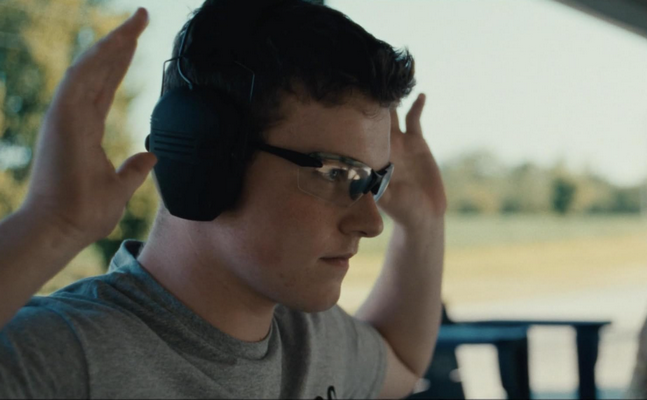
Another element that helped establish the dynamics among the characters of Daniel and his friends, who together form their own militia they call the “Wild Bunch”, is that Dylan cast young men who were friends in real life which helped create authentic camaraderie on screen.
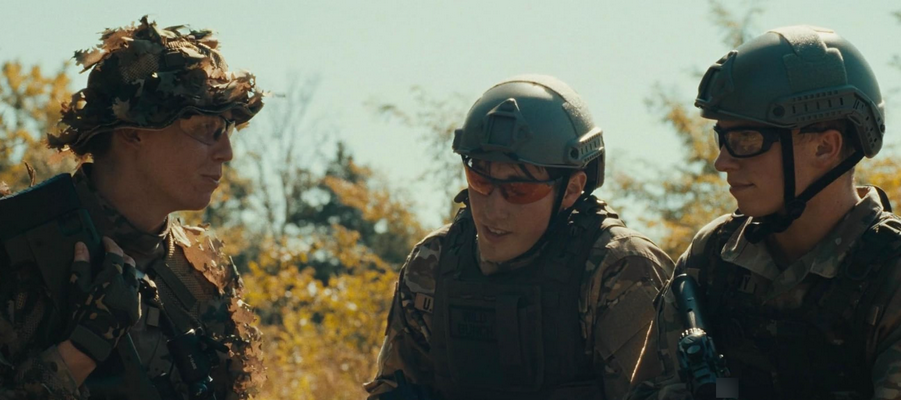
An added casting bonus was bringing in Michael Broderick as Daniel’s father and militia member, Lee Pierce. Broderick was key to the film’s nuanced portrayal of the militia dynamic, as he brought depth to the character, even contributing musically by playing guitar on screen, an added element once Dylan learned of Broderick’s musical talents. Broderick’s performance shows that even within the militia, there are moral lines that shouldn’t be crossed, and Broderick provides a more measured perspective, demonstrating that not everyone in the militia is completely radicalized. His scenes with Daniel, particularly in the third act, highlight the internal conflicts within the group and provide a more complex view of the characters’ motivations and limitations. Having characters with this type of depth and nuance allows the story of THE MILITIA to flourish and prompt discussion without being “preachy”, something very important to Dylan.
Immersing the cast and the audience in “rural Middle America”, required specific needs for the film’s location. As you’ll hear Dylan expound upon, the natural landscape was crucial to creating the film’s atmosphere, with cinematographer Stephen McKisson wanting to capture a “sunset of childhood” feel by shooting during the end of the day and using the natural light and terrain to enhance the film’s visual storytelling. Dylan explains they shot on a 26-acre plot of land that had diverse terrain including fields, hills, woods, and forests. By turning the camera just 20 degrees, they could create different location looks. The property served as a home base for the production, allowing them to wander around and capture various natural settings. They used local Kansas City businesses like shooting ranges and churches as additional locations, with many local businesses being excited to host a film shoot.
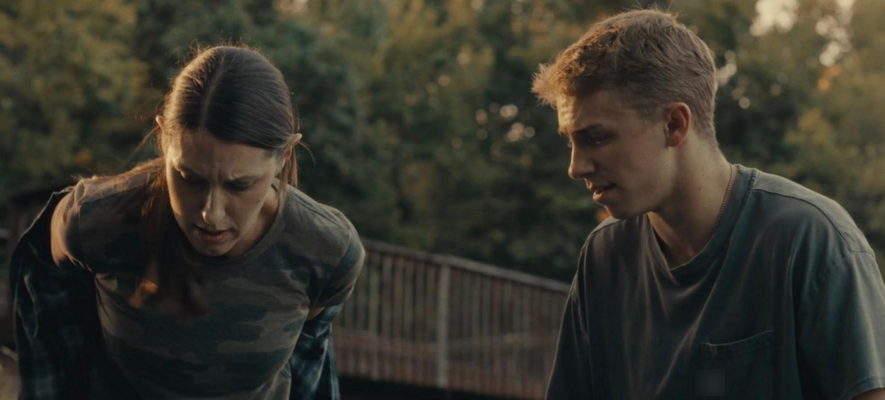
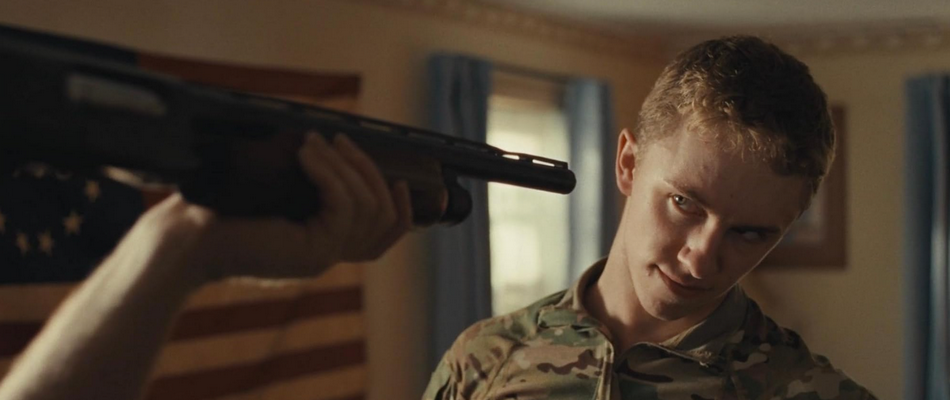
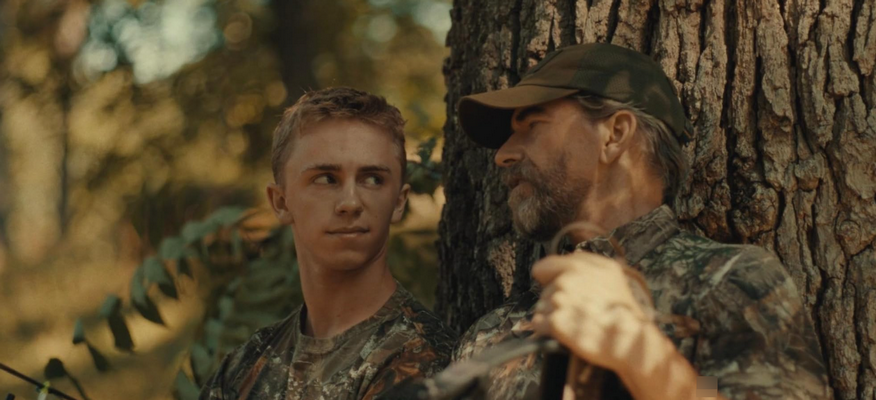
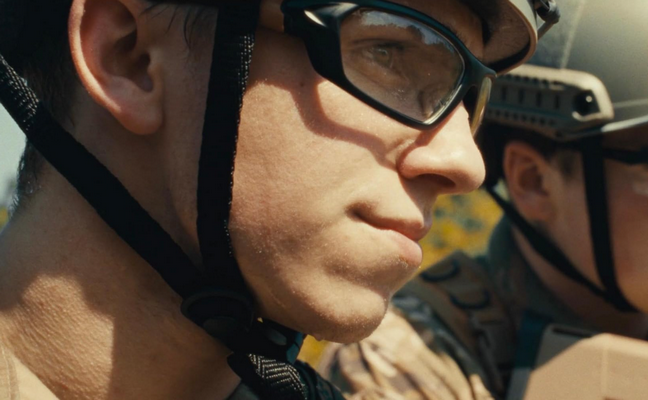
But with the ambient perfection of the 26-acre plot of land comes logistical challenges for a film crew. With the varied terrain, the crew had to carry camera equipment and grip gear through challenging forest terrain, often hiking between locations. They shot on a 100-degree day during the opening action sequence, with actors literally sweating on camera. The crew used two FX3 cameras with Cooke prime lenses to efficiently capture scenes, allowing actors to perform simultaneously and save time. Despite the difficult conditions, they managed to make all their shooting days with time to spare, which gave them flexibility to explore performance variations. Cinematographer Stephen McKisson used natural light and bounce techniques to minimize additional lighting equipment, helping to reduce the logistical burden of moving gear through the woods. An interesting aspect of the cinematography and the look of the film was the decision to use a 16mm emulator. In the context of filmmaking, a 16mm emulator is a digital tool that simulates the look and feel of 16mm film. For THE MILITIA, they used this technique to add grain, softness, and a warm, filmic quality to their digital footage. Their colorist applied different passes to give the digital video the aesthetic of 16mm film, creating a vintage, slightly soft look without actually shooting on physical 16mm film stock. This allowed them to achieve a film-like appearance while keeping the production costs and logistics more manageable.
Working with editor Seth Schurman, Dylan found the editing process challenging but collaborative. Working closely together, Dylan sent Seth dailies to be assembled daily during production. As a result, when they finished shooting, they already had an assembly cut. The initial cut was 2 hours and 30 minutes, and they had to cut 30 minutes to get the final version; and one of the scenes they had to remove was a heartbreaker for Dylan. (Don’t worry, he gives us all the details of the heartbreak!) The biggest challenge of the edit was maintaining the film’s tension and flow while removing scenes, particularly ensuring the third act’s pacing remained intense. Dylan has nothing but praise for Seth’s editing, noting they often had the same instincts about cuts. They only spent a month in the editing suite refining the film.
When it came to the film’s score, Dylan was looking for a score that was militaristic, ominous, and had a somber tone, reflecting that “sunset of childhood” theme that was the crux of the story. Working with composer Anthony Sabatino, they wanted to avoid sounding too “Western” and aimed for an original composition that captured the film’s emotional complexity. The goal was to create a score that would support the storytelling without mimicking other film scores, with a particular focus on developing Daniel’s theme, which is heard multiple times throughout the film.
An enthusiastic and detail-oriented filmmaker already at this early stage in his feature film career, Dylan’s command of storytelling and the production process in bringing his vision to life is impressive, to say the least. Humble and wanting to grow as a filmmaker, Dylan has big ideas for future projects, including his new film that he’s developing involving an RV road trip, hopefully including some of America’s National Parks. But before he embarks on that journey, it’s always good to look back on what you learned in this leg of your lifelong journey. For Dylan, that means the importance of staying true to his artistic vision despite initial doubts and negative feedback. When people began criticizing the film without watching it, he started to second-guess himself. However, his sound operator reminded him of the quote “other people’s opinions of you are none of your business” and encouraged him to stand by his art. Dylan realized that exploring difficult themes like extremism is important, even if the subject matter is controversial. He learned to believe in his message and not be apologetic about creating a film that sparks meaningful conversation about how people can become radicalized.
This is just a smattering of what DYLAN KING WELTER and I cover in this exclusive interview. So, for all the details and filmmaking anecdotes (of which there are quite a few),
TAKE A LISTEN. . .
by debbie elias, exclusive interview 07/03/2025