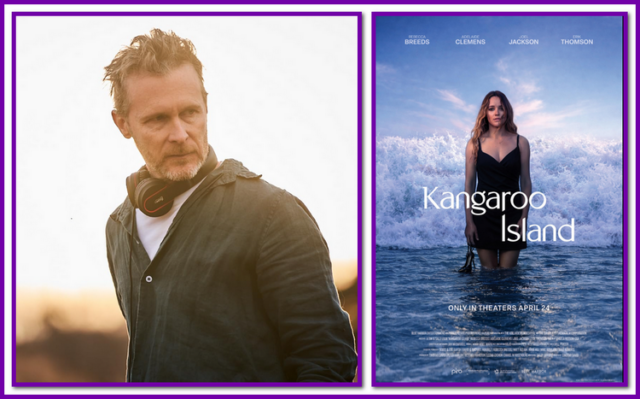
For director Timothy David, KANGAROO ISLAND begins with the island itself; not simply as a location, and certainly not as a postcard, but as a living metaphor for the film’s emotional terrain. Rugged, windblown, breathtaking, unpredictable, and rough-hewn in all the right ways, KANGAROO ISLAND becomes more than the setting for David’s first narrative feature. It becomes the film’s governing idea.
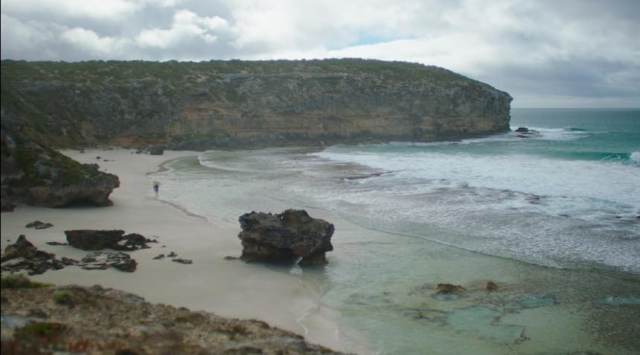
That idea is visible from the outset. South Australia’s coastlines, blinding light, turquoise water, weathered cliffs, and unbridled natural beauty frame a story that is every bit as jagged and tender as the land around it. KANGAROO ISLAND may, on paper, sound like a family drama full of grief, betrayal, sibling resentment, romantic history, faith, illness, and long-buried wounds. But in David’s hands, and from Sally Gifford’s carefully layered script, it becomes something more textured and more recognizably human: a character study about how people survive the brutal and the beautiful in the same life.
“The location, Kangaroo Island, inspired the story,” David says. “I think the beauty of the story, at the end of the day, is that it is a story about forgiveness. It’s a story about the reality of life, that it is as beautiful as it is ugly. And if you take in both and accept both, then you can potentially navigate your life without doing harm to yourself or others.”
That emotional duality defines the film. Lou Wells, played by Rebecca Breeds, returns from Los Angeles to South Australia after years away from the family she left behind. Waiting for her are an estranged father, Rory, played by Erik Thomson; a sister, Freya, played by Adelaide Clemens, with whom old wounds have calcified into something harsher; and an island filled with memory, history, and quiet accusation. As secrets and betrayals surface, the family’s fractures begin to reveal not just old anger, but the deeper pain beneath it.
What keeps the material from slipping into melodrama is David’s clear understanding that the drama here is cumulative, not manufactured. The film does not pile on pain for effect. It reveals the emotional debris of years.
“It can feel like a whole lot of drama is happening at once,” David says, “but really, the drama has happened over a lifespan, a 10-year, 15-year lifespan. And for that reason, I think it’s a beautiful movie because it also has a satisfactory resolution.”
That sense of accumulation is one of the film’s great strengths. As the story unfolds, the audience is asked to sit with shifting loyalties and incomplete understanding. Early perceptions of one sister and then the other are complicated as new truths come to light. A family tragedy that once tore everyone apart ultimately becomes the force that draws them back together, not neatly, and not painlessly, but honestly. David sees that as central to the film’s power. “It’s a tragedy that tore the family apart,” he says, “and what ends up happening is it’s a tragedy that brings them back together.”
That honesty is reflected not only in the storytelling, but in the film’s physical texture. David, whose background includes acclaimed commercial work, made an intentional decision to resist polishing either the environment or the people inhabiting it. For a filmmaker capable of immaculate image-making, that restraint is telling.
“This is a beautiful, ugly film,” he says, recalling how he framed the project for his actors early on. On Kangaroo Island, there would be no glamorizing, no fussing over hair, no cosmetic smoothing of either character or landscape. “No one on Kangaroo Island puts on makeup, and they don’t do their hair,” he says, echoing Gifford’s own understanding of the place. “The last thing we wanted… was absolutely no makeup and very messy hair. Sometimes we’re just not going to fix little flyaway things. We’re not going to spend time on anything other than beautiful performance and an honest story.”
That choice pays dividends. Breeds and Clemens, in particular, are allowed to exist onscreen without cosmetic interference, and the result is immediate and intimate. Lou’s volatility and buried sorrow feel written into her skin, while Freya’s tightly held piety and emotional constriction register with equal force. Their relationship, alternating between raw hostility, old familiarity, and flashes of remembered closeness, has the kind of specificity that can only come from a script and performances grounded in lived behavior rather than dramatic shorthand.
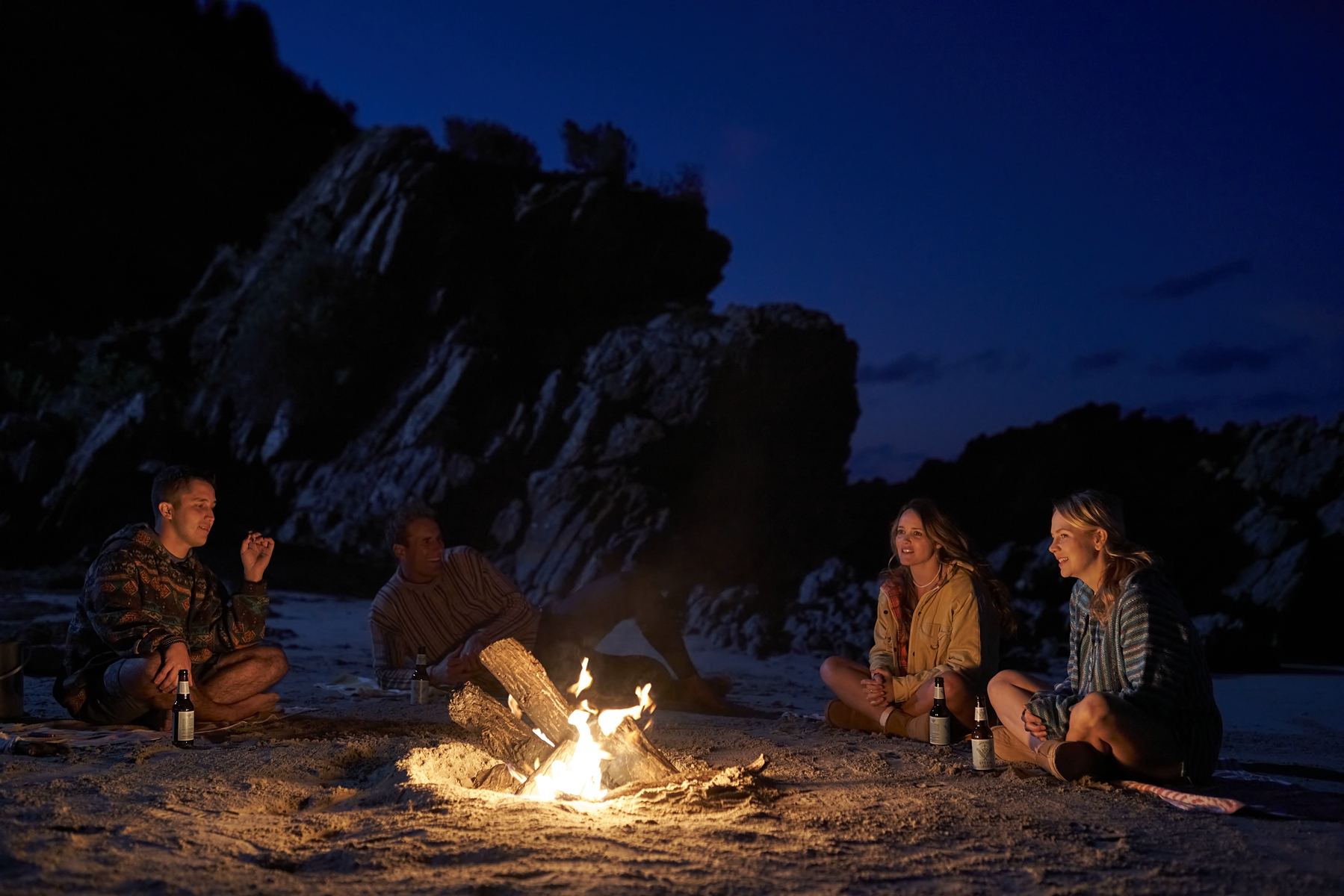

David, who has three older brothers rather than sisters, wisely deferred to Gifford and his actresses when it came to shaping that dynamic. “I let Rebecca, Adelaide, and Sally, the script writer, really talk amongst themselves and get where they needed to be for that relationship to feel authentic,” he says. It shows. Lou and Freya do not feel like a screenwriter’s idea of combative sisters. They feel like women with a shared childhood, shared losses, and shared resentments that have fermented over time into something volatile but recognizably familial.
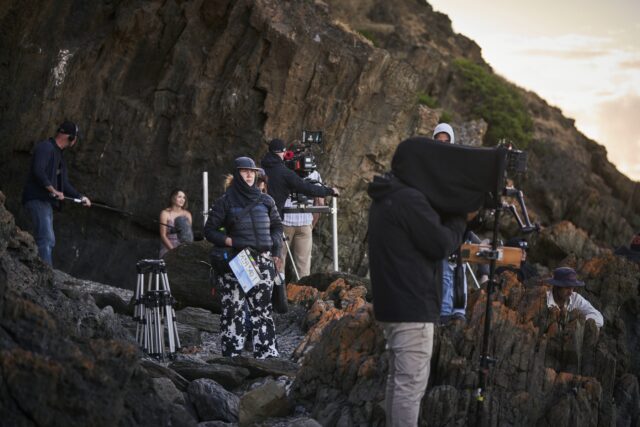
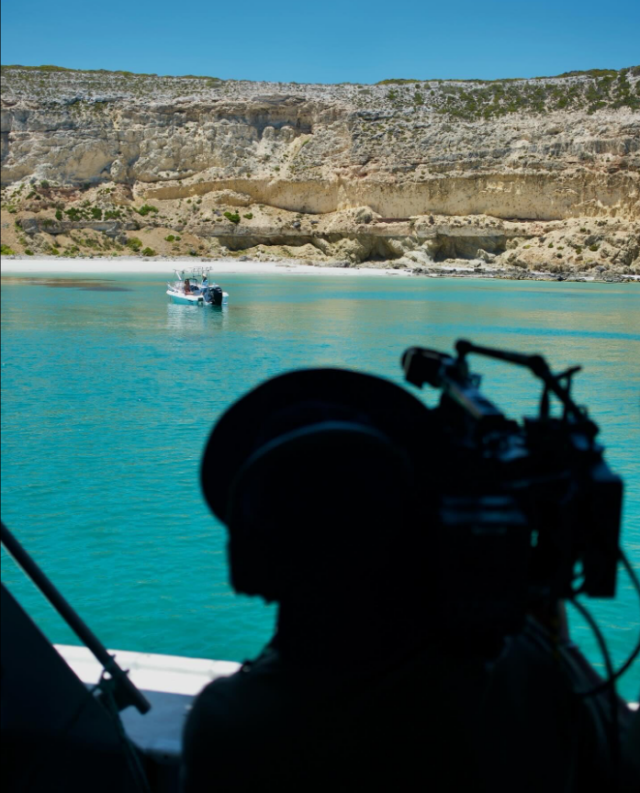
That same commitment to lived-in truth defines David’s approach behind the camera. Working with cinematographer Ian McCarroll, David embraced the limitations of a low-budget, location-based shoot and turned them into aesthetic advantages. Kangaroo Island offered extraordinary beauty, but not a production-friendly infrastructure. There were logistical headaches, limited resources, strong winds, flies, and the very real reality that if a camera went down, replacing it could mean losing days of shooting.
David’s response was not to fight the conditions, but to build a method around them. He brought in a second camera as insurance and shot with two cameras as often as possible, favoring long lenses, minimal lighting, and a 360-degree approach that let actors move freely through space. Instead of locking everything down, he treated the film almost as if he were documenting behavior in the wild.
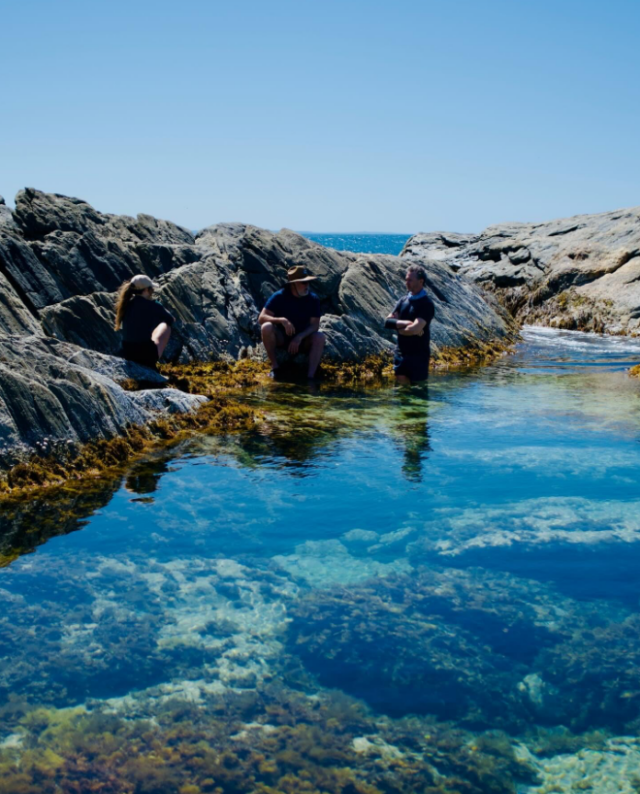
“I really started to treat the film very early on as though we were documenting human behavior,” he says. “If they were out of focus for a minute, I didn’t care. If they went out of the light and were silhouetted, I didn’t care. If they weren’t doing things properly, I didn’t care as long as their performance was authentic.”
For a first-time narrative feature director, especially one coming from commercials, that is no small leap. Commercials invite control, exactitude, and precision. Kangaroo Island demanded the opposite. David had to trust that authenticity would carry the film even when technical perfection did not.
“It was a risk,” he admits. “I wasn’t sure if an entire film shot this way would have cohesion.” But once the footage began coming together in the edit, that risk proved worthwhile. The looseness, the spontaneity, the lack of preciousness gave the material a pulse. “The film had its own life,” he says. “It was a living and breathing thing because of the nature of how we shot.”
That philosophy extends to the island itself. David does not prettify KANGAROO ISLAND into sterile scenic grandeur. He lets it remain what it is: beautiful, yes, but also rough, windy, inconvenient, and at times unforgiving. The island’s unbridled character becomes a visual analogue for Lou herself, a woman who has spent years running from pain, from family, and perhaps from herself, only to return to a place where nothing is fenced in, emotionally or physically.
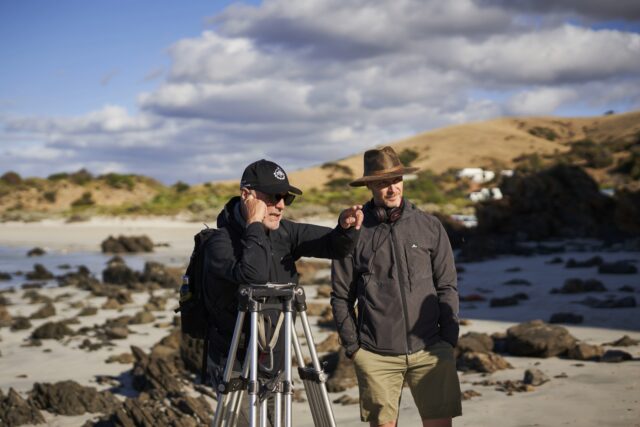
The winds, which could have been a nuisance, become part of the visual language. The absence of fences, the sense of exposure, and the sheer openness of the landscape all deepen the feeling that there is nowhere left to hide. David embraced that quality rather than smoothing it away. “What’s going to work against you, you have to make work for you,” he says, a line that could just as easily apply to the Wells family as to the production itself.
Even the film’s most quietly profound imagery emerged from that marriage of place and meaning. David lights up discussing the cliff seen near the end of the film, a formation he later learned contains exposed geological history reaching back half a billion years. “It actually holds the entire world history in one cliff,” he says. That revelation only deepened the significance of the film’s final exchanges about God, faith, and presence. In a story wrestling with mortality, forgiveness, and what remains after grief has burned through everything else, a cliff face bearing the strata of time itself becomes more than beautiful scenery. It becomes spiritual evidence.
But David is careful not to overburden the film with solemnity. One of the more appealing aspects of KANGAROO ISLAND is the way it offsets grief with absurdity, tension with humor, and tragedy with the strange, messy interruptions of life. A snake in the car is not just a startling jolt or a biblical metaphor. It is also funny. So, too, is the familiar, cutting rhythm of sibling combat. David understands that to tell the truth about family is to leave room for both emotional wreckage and ridiculousness.
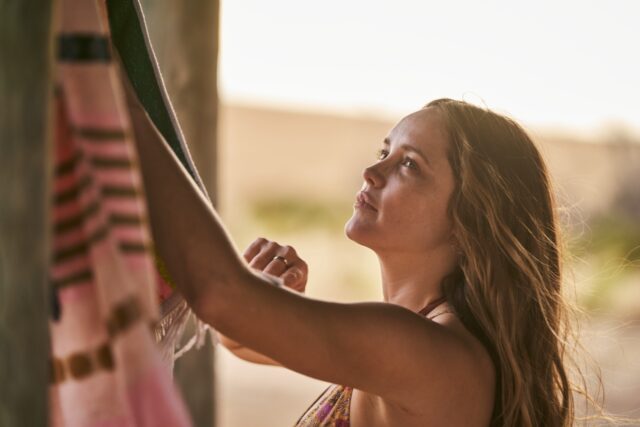
“We didn’t want to make the film about tragedy,” he says. “We wanted it to be, how do people deal with life?” That distinction matters. The film does not ask the audience merely to witness sadness. It asks them to consider how love, guilt, resentment, faith, loss, and even beauty coexist inside the same emotional landscape. The result is a work that feels mature enough to hold contradictions without trying to flatten them into a thesis.
That maturity is present in the film’s visual design as well. David and McCarroll shot on an ARRI Alexa, paired with vintage Canon K35 lenses, glass David was drawn to for both its softness and its capacity to work beautifully in natural and low-light conditions. The lenses helped preserve the film’s tactile honesty, giving the water, skin, and landscape a softness that buffers the harshness without neutering it. David wanted beauty, certainly, but not falseness. “The colors were the colors,” he says. “I didn’t want to exaggerate anything in post.”
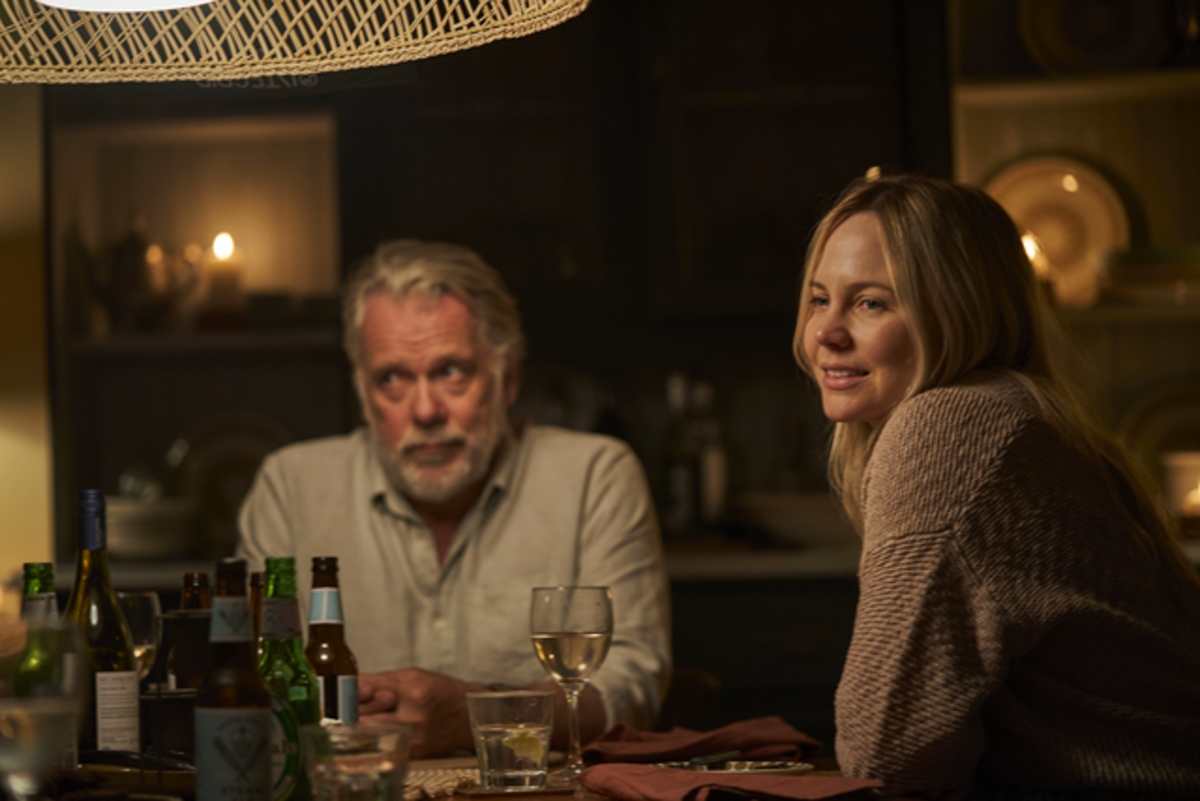
That instinct carries through the edit. David, who also edited the film with assistant editor Jamie Rusiti, trusted his first responses, moving quickly when he knew a scene worked rather than endlessly refining for technical neatness. A central dinner scene became the test case. Shot quickly, without traditional coverage, it told him whether the film’s method would hold. He cut it in an hour, saw the emotional truth in the performances, and never looked back. “If something worked, that was it,” he says. “We would just move on.”
Perhaps that is the most revealing lesson David took from the experience of making his first feature. When asked what he learned about himself as a filmmaker, his answer is less about command than about trust. “Not be precious about how it’s shot,” he says, “but be precious about how the characters are feeling, how the actors are feeling.” For a filmmaker with a polished visual pedigree, that is a striking statement, and a telling one.
With KANGAROO ISLAND, David proves that beauty is not the same thing as polish. Sometimes beauty lies in windblown hair, imperfect focus, weathered faces, awkward silences, familial cruelty, and the blue-green shimmer of water against ancient stone. Sometimes it lies in letting a story breathe rather than forcing it into immaculate form.
On KANGAROO ISLAND, Timothy David does exactly that. The result is a film as emotionally rough-hewn, bruised, and unexpectedly luminous as the island that inspired it.
by debbie elias, exclusive interview 04/17/2026
KANGAROO ISLAND is in select theatres in the U.S. starting April 24, 2026.