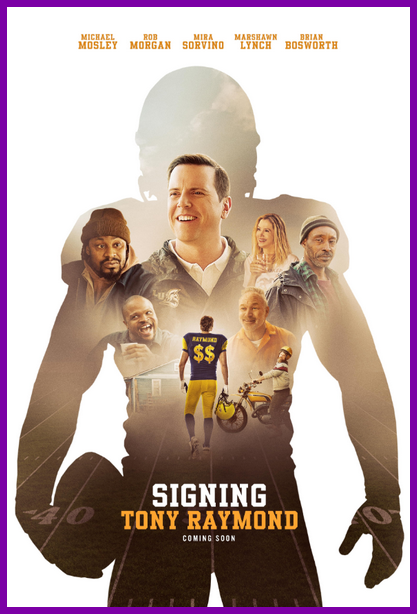
In a cinematic landscape where sports films often chase spectacle, triumph, or scandal, SIGNING TONY RAYMOND quietly does something far more meaningful.
It tells the truth.
Not the headline-grabbing, ESPN-highlight truth. Not the bombastic, locker-room speech truth. But the quieter, more complicated truth about ambition, morality, and the cost of chasing success in a system that too often rewards compromise. And it does it with heart and humor.
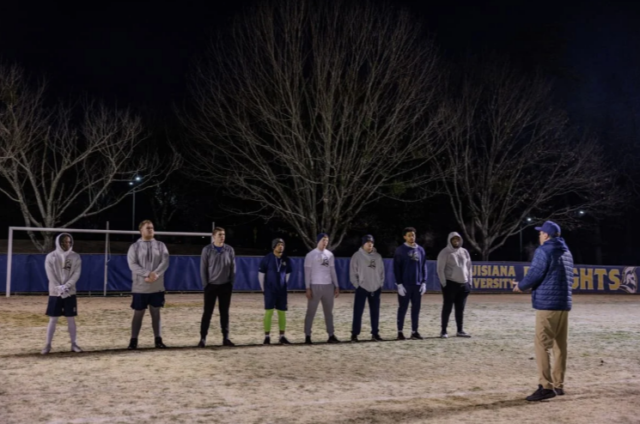
Written and directed by Glen Owen, SIGNING TONY RAYMOND drops us into the high-stakes world of college football recruiting—a world of whispered deals, backroom promises, and the ever-present shadow of “bag men.” But rather than building a film around corruption, Owen builds one around character.
And more importantly, around choice.
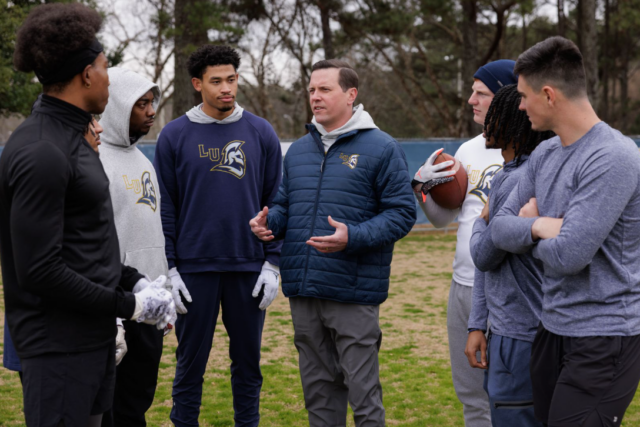
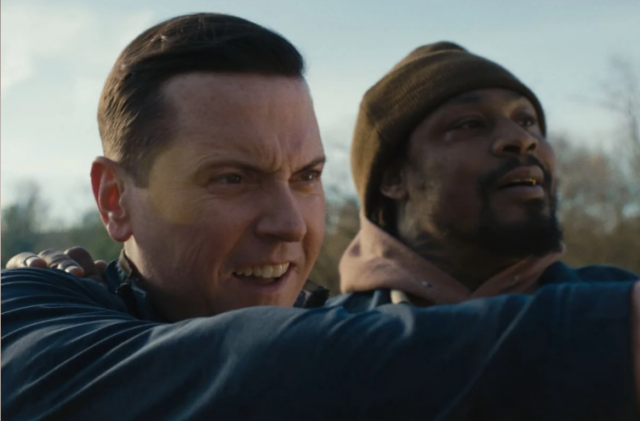
At the center of it all is Coach Walt McFadden, played with beautifully restrained authenticity by Michael Mosley. Walt isn’t the flashy recruiter. He isn’t the smooth-talking salesman. And he certainly isn’t the kind of coach who’s going to outmaneuver rivals with bribes and bravado.
He’s something far more interesting.
He’s decent.
Mosley plays Walt as the emotional anchor of the film—the steady hand in a world spinning with ulterior motives. Surrounded by outsized personalities, questionable ethics, and increasingly absurd situations, Walt remains grounded, observant, and, perhaps most importantly, unchanged at his core.
That choice—to keep Walt as the “straight man” amidst the chaos—is one of Owen’s smartest narrative decisions. It allows the film’s humor to land naturally, while giving the audience a moral compass to follow.
And as Walt’s journey unfolds, what emerges isn’t just a recruitment story, but a deeply personal reckoning.
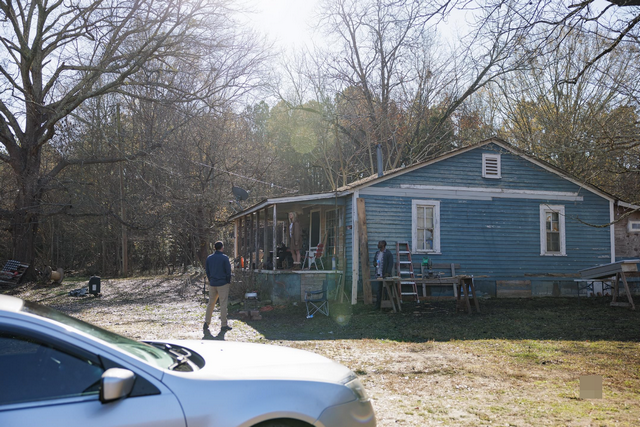
Set in rural Alabama and filmed in the authentically textured town of Rutledge, Georgia, SIGNING TONY RAYMOND thrives on its sense of place. This is a world that feels lived in.
Nothing here feels manufactured.
From the weathered homes to the quiet crossroads, from the dirt roads stretching into nowhere to the stillness of Hard Labor Creek State Park, the environment isn’t just a backdrop—it’s a character. One that shapes the people who live within it.
Owen, drawing from his own Southern roots, presents a world that resists stereotype. These are not caricatures. They are people—smart, perceptive, and fully aware of the game being played around them.
And in many cases, they’re playing it better than the outsiders who think they hold the upper hand.
While Mosley provides the film’s center of gravity, the surrounding ensemble elevates SIGNING TONY RAYMOND at every turn.
Rob Morgan is nothing short of exceptional as Otis, Tony’s stepfather. Quietly calculating and fiercely protective, Morgan delivers a performance that simmers with intelligence and emotional depth. Every look, every pause, every line carries weight.
Mira Sorvino brings a layered vulnerability to Sandra, a mother shaped by hardship but driven by fierce love. It’s a performance that avoids exposition, allowing us to understand her through behavior rather than backstory.
And then there’s Denitra Isler as Deputy Debbie Chisholm—a scene-stealing force of humor and heart. Her portrayal of a determined mother navigating the recruitment circus adds levity without ever undercutting the film’s emotional core.
Brad Carter, perhaps best known as the “party planner” of the attack on the Duttons in “Yellowstone”, is a hoot and a holler as freewheeling Ronnie, a local oddball who can be bought until he can’t.
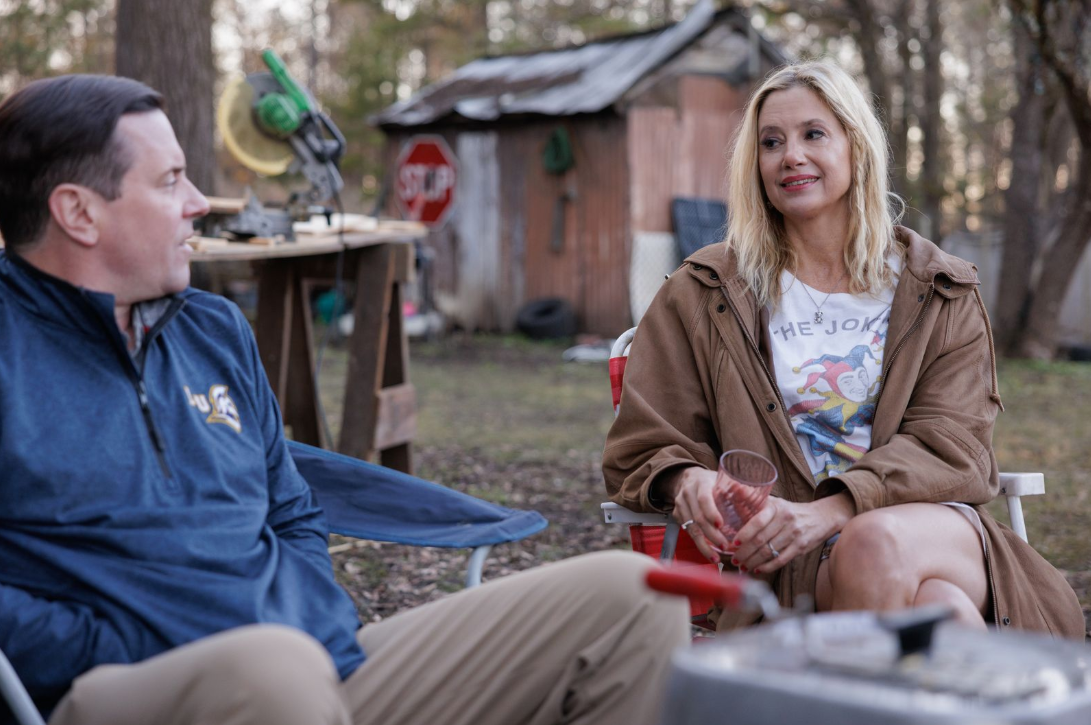
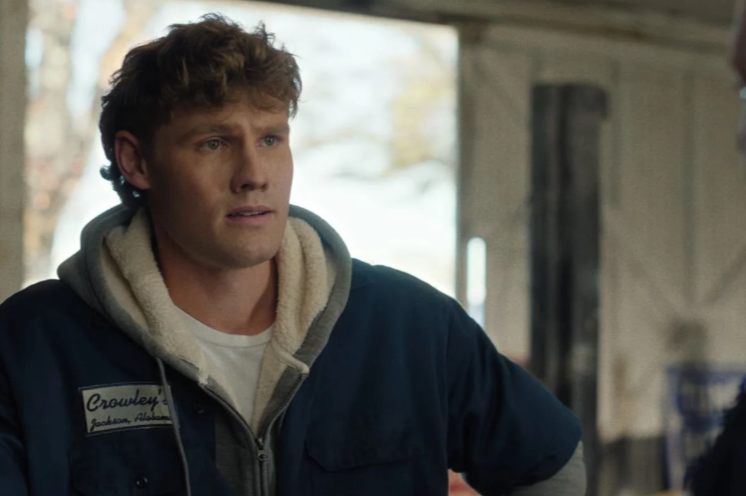
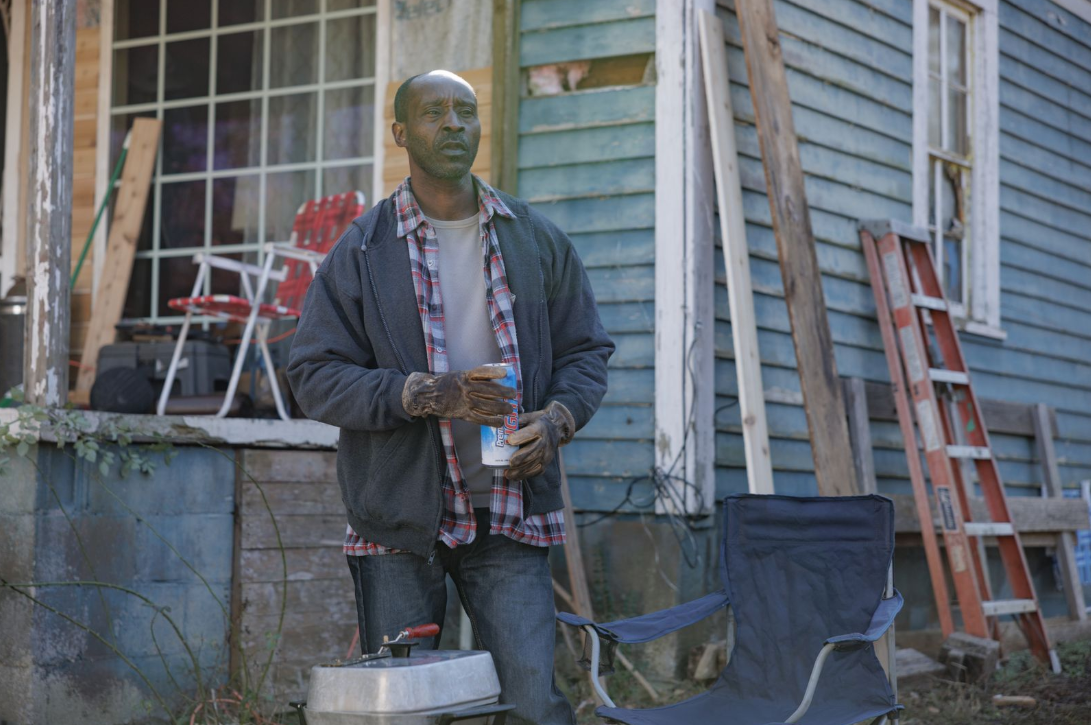
Each performance feels rooted, specific, and real.
One of the film’s greatest strengths is its tonal balance.
Owen walks a delicate line between comedy and drama, and he does so with a confident, steady hand. The humor—sometimes broad, often subtle—never comes at the expense of the characters. Instead, it grows organically from the situations and personalities at play.
A poker game sequence, populated with real local mechanics, is a standout example—equal parts comedic chaos and character insight. It’s funny, yes, but it’s also revealing.
That same balance extends to the film’s more serious themes. Issues of integrity, corruption, and personal responsibility are ever-present, but Owen resists the urge to preach. Instead, he trusts the audience to see the moral landscape for themselves.
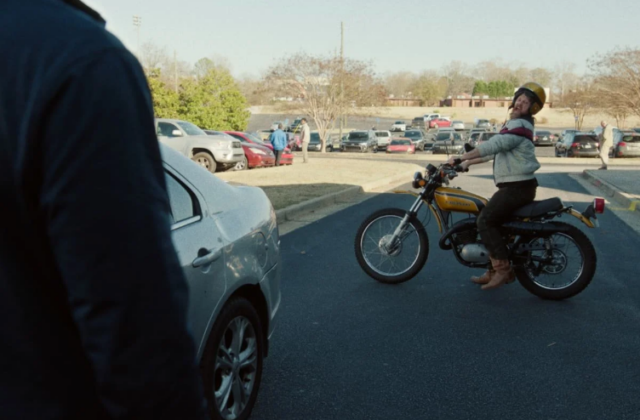
Visually, SIGNING TONY RAYMOND embraces a clean, unembellished aesthetic. Cinematographer Daniel Friedberg avoids flashy camera work, opting instead for natural lighting and straightforward compositions that keep the focus squarely on the characters.
It’s a deliberate choice—and an effective one.
By removing stylistic distraction, the film allows its performances and themes to take center stage. The result is a viewing experience that feels immediate and immersive, never forced or over-designed.
Complementing the visuals is a blues-infused score by John Timothy Roberts, drawing inspiration from Mississippi Hill blues. The music adds texture and rhythm without overwhelming the narrative, reinforcing the film’s sense of place and emotional tone.
At its heart, SIGNING TONY RAYMOND isn’t really about football.
It’s about identity.
It’s about purpose.
It’s about the moment you realize that the path you’ve been chasing may not be the one you actually want.
And it’s about the courage it takes to change direction.
Owen understands that the most compelling victories aren’t always the ones that happen on the field. Sometimes, they happen in quieter moments—in decisions made away from the spotlight, in choices that prioritize integrity over advancement.
SIGNING TONY RAYMOND doesn’t shout to be heard. It doesn’t rely on spectacle or sentimentality to make its point.
Instead, it does something far more powerful.
It listens. It observes. And it tells a story grounded in truth, humanity, and hope.
And in doing so, Glen Owen gives us something increasingly rare: a sports story where the biggest win has nothing to do with the scoreboard.
Written and Directed by Glen Owen
Cast: Michael Mosley, Mira Sorvino, Rob Morgan, Jackie Kay, Brad Carter, Denitra Isler, Charles Esten
by debbie elias, 04/17/2026
SIGNING TONY RAYMOND is now streaming on AppleTV and Prime Video.