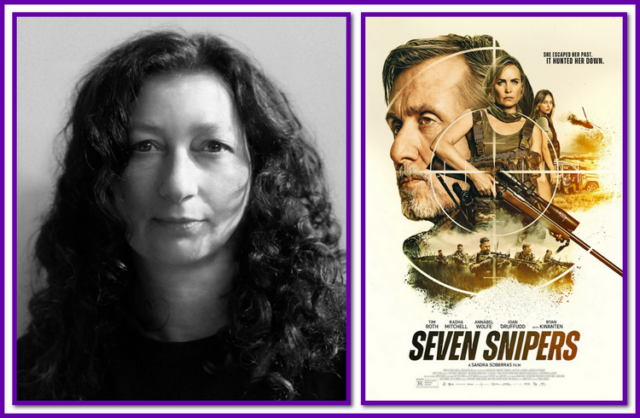
From its opening frame, SEVEN SNIPERS announces itself not with bombast, but with atmosphere.
Before a shot is fired, before the first sniper settles behind a scope, director Sandra Sciberras and composer Mike Forst quietly immerse audiences in the harsh, isolated terrain of the Australian countryside through sound. The low, haunting instrumentation immediately evokes the feel of a didgeridoo, grounding the film sonically in Australia while subtly signaling the unease and tension to come.
“We wanted the audience to feel pretty uncomfortable pretty quickly,” Sciberras explained. “And of course, score has a brilliant way of doing that.”
That sonic immersion becomes one of the defining strengths of SEVEN SNIPERS, a taut, character-driven action thriller centered on retired elite sniper Kris (Radha Mitchell), whose secluded life with her daughter Anja (Annabel Wolfe) is shattered when a ruthless figure from her past known only as The Dragon (Tim Roth) resurfaces seeking revenge.
But unlike many contemporary action thrillers that rely heavily on exposition and oversized spectacle, Sciberras embraces restraint. Dialogue is sparse. Silence dominates. And every environmental sound matters.
“The script literally says things like, ‘You hear the grass. You hear the bugs,’” Sciberras noted. “This is Australia. We’re in bug city.”
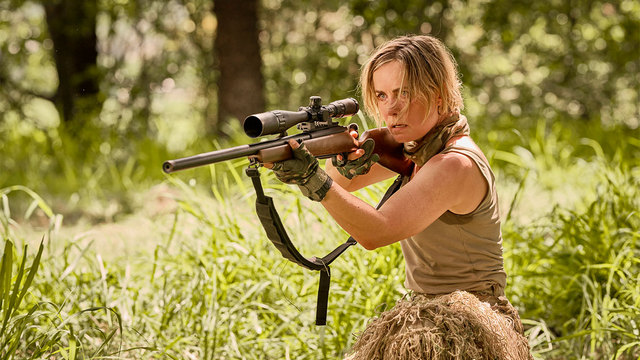
Rather than treating silence as emptiness, SEVEN SNIPERS weaponizes it. Wind moving through dry grass, insects humming in the distance, bodies shifting against brush, the metallic click of a trigger — these become the film’s sonic vocabulary, creating sustained unease while immersing viewers directly into the tactical mindset of its characters.
“Silence was silence,” Sciberras said. “And then it was like, ‘What are we hearing?’”
That question became central to the collaboration between Sciberras, editor Stephanie Liquorish, and supervising sound editor/re-recording mixer Dylan Barfield.
“There was a lot of discussion around when to be quiet,” Sciberras explained. “Whether silence is really silence. It’s quiet — and they’re the moments where you hear the bugs, or the distant sound, or the breath of a sniper.”
The result is a film that constantly heightens audience awareness. Viewers begin listening the way the snipers listen — hyper-alert to the slightest movement or disruption in the environment.
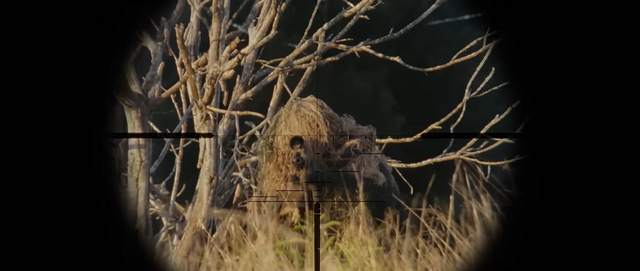
Visually, Sciberras and cinematographer Andrew Condor reinforce that tension through a striking interplay between scope POVs, landscape photography, and character positioning. One of the film’s most inventive visual devices comes through the individualized sniper scopes themselves.
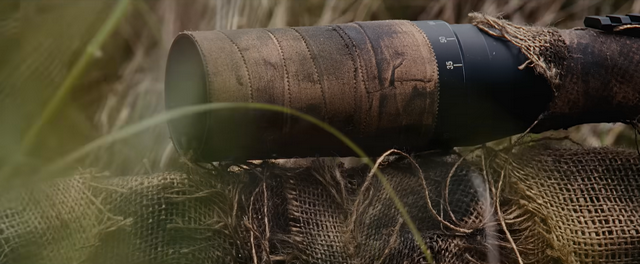
Each crosshair configuration is distinct, allowing audiences to immediately recognize which sniper’s perspective they are seeing without needing additional exposition.
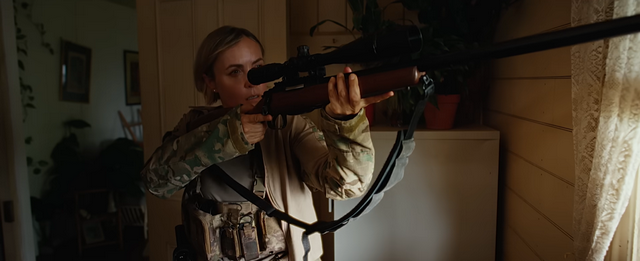
“It was absolutely a creative decision,” Sciberras said. “We wanted audiences to understand whose scope they were looking through immediately.”
The concept evolved further during post-production in collaboration with the visual effects team.
“We realized we had a lot of scope POVs where we needed audiences to stay connected to the character,” she explained. “You lose an audience if they’re constantly trying to figure out whose scope they’re looking through.”
That deceptively simple decision becomes crucial to the film’s visual grammar. Through the scopes, characters can see hundreds of yards into the distance while remaining dangerously vulnerable to threats just outside their peripheral vision. Liquorish’s editing rhythm exploits that limitation beautifully, cutting between scope views, wider terrain shots, weapon positioning, and sudden interruptions into frame that generate repeated bursts of suspense and jump scares.
The surrounding environment itself becomes another major character in the film.
Sciberras spent considerable time searching for the perfect home for Kris — eventually discovering a weathered, more-than-100-year-old house whose deteriorating appearance instantly captured the emotional isolation of the protagonist.
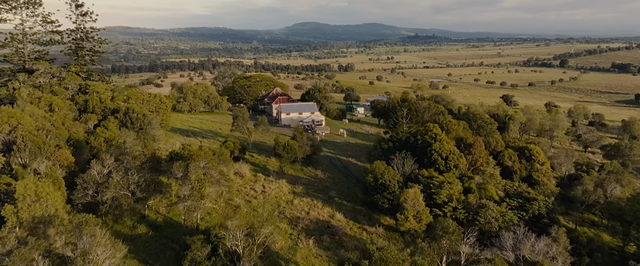
“The moment I saw that house, I knew,” Sciberras said. “It hadn’t even had a paint job. It really evoked for me the sense that this woman never knows when she’s going to have to run.”
The house’s rusted outbuildings, overgrown terrain, worn screens, and neglected surfaces visually reinforce Kris’s psychology. She has intentionally created a life designed not to attract attention.
“There’s no point making a pretty house,” Sciberras explained. “She doesn’t want attention drawn to herself.”
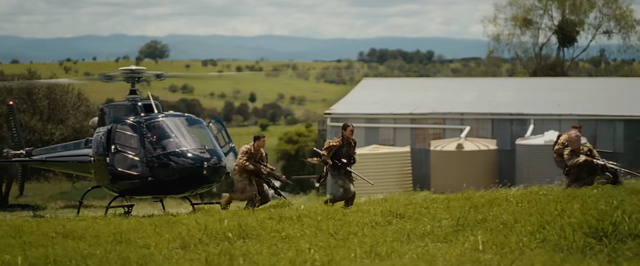
That authenticity extends throughout the entire production. Most of the film’s action sequences were accomplished practically and in-camera, grounding the story in a tactile realism that heightens the tension.
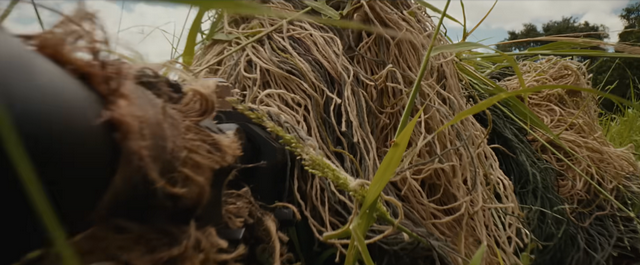
“We were all covered in bugs,” Sciberras laughed. “The actors in the ghillie suits crawling through the grass — that was full on.”
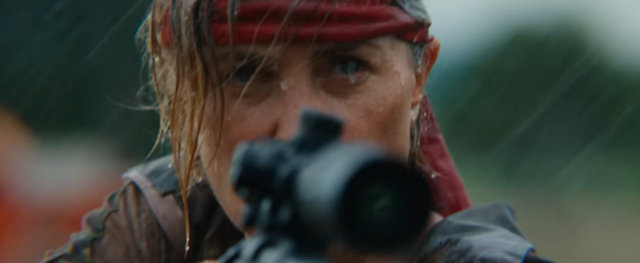
The production also received an unexpected assist from Mother Nature during filming when heavy rain arrived during the third act.
“That’s location shooting,” Sciberras said simply.
Even the antagonist benefits from restraint. Though extensive footage of The Dragon was filmed, Sciberras ultimately embraced a “less is more” philosophy during editing, drawing inspiration from films like Predator and Jaws.
“My first version of the film threw a lot in there,” she admitted. “But then it became a process of pulling back.”
That process became one of the film’s greatest editorial challenges for Sciberras and editor Stephanie Liquorish — not simply maintaining suspense, but calibrating the precise tonal balance between emotional drama, silence, and sustained tension.
“Every film has that challenge,” Sciberras explained. “You read it in the script, you shoot it, but then once you get to the editing room, you want to see the whole film. So you end up with this fucking two-hour movie and then you start pulling back.”
For Sciberras and Liquorish, the edit became an ongoing process of experimentation and refinement, constantly evaluating which sequences needed silence, which moments required emotional breathing room, and how long audiences could remain inside character-driven scenes before the tension needed to tighten once again.
“It’s trial and error,” Sciberras said. “You have versions of the film until you finally get to the point where you go, ‘Okay, that sequence works best.’”
Importantly, the challenge wasn’t removing emotional material entirely, but rather ensuring the dramatic moments never overwhelmed the suspense mechanics driving the film.
“You need the drama because you need the heart of the story,” she explained. “But you can’t stay there too long.”
For Sciberras, sound design became inseparable from that editorial process. Rather than treating sound as something added later in post-production, sonic tension was being shaped inside the edit itself alongside Liquorish’s cutting rhythms.
“Stephanie has an exceptional ear for sound as well as being an editor,” Sciberras said. “There was a lot of discussion around when to be quiet and whether silence is really silence.”
Those quiet moments became fundamental to the film’s immersive tension design — not empty silence, but carefully layered environmental soundscapes where audiences become hyper-aware of bugs, distant movement, wind, breath, and subtle shifts in the terrain.
“They’re the moments where you hear the bugs, or the distant sound, or the breath of a sniper,” Sciberras explained. “Those things were really fundamental to me.”
That collaboration continued with supervising sound editor/re-recording mixer Dylan Barfield, who Sciberras describes as an ongoing creative presence throughout post-production rather than someone arriving only at the final mix stage.
“Dylan was kind of always in there,” she said. “And once we got to the mix, he had a lot of leeway to play and try different sounds.”
The process became highly collaborative, with Sciberras, Barfield, Liquorish, and the producers continually adjusting layers of sound and silence to fine-tune the film’s suspense rhythms.
“We’d listen and go, ‘Oh my god, that sounds really good — let’s do a little bit less here,’” Sciberras laughed.
That restraint ultimately becomes one of SEVEN SNIPERS’ greatest strengths. The film understands that tension is often created not by overwhelming audiences with sound, but by forcing them to listen more carefully to what might be hiding inside the quiet.
Importantly, SEVEN SNIPERS never loses sight of its emotional core amid the tactical tension. While the film operates as a high-stakes sniper thriller, Sciberras approached the material first and foremost through character.
“I connected very quickly to Kris and to The Dragon,” she explained. “They both wanted Anja equally, but for very different reasons.”
That dynamic became the emotional engine driving the film’s suspense. For Sciberras, the tactical mechanics, stylistic choices, and escalating tension only function if the audience first understands what each character emotionally stands to lose.
“For me it was always characters first,” she said. “As long as I stayed true to the drama of the story, then the rest became the stylistic choices — how to create tension, how to create suspense, how to maintain the element of surprise.”
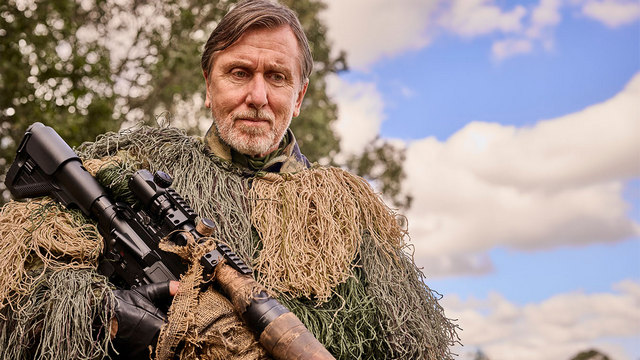
That philosophy shaped every aspect of the film, from the sparse dialogue and restrained exposition to the editorial rhythms and carefully sustained silence. Rather than over-explaining the characters’ shared history, Sciberras intentionally chose to reveal the emotional weight of the past through behavior, atmosphere, fragmented details, and performance.
“The focus was about giving a sense of the past and bringing that into the drama of today,” she explained.
That restraint proves especially effective in Kris’s relationship with her daughter Anja, where years of buried trauma and secrecy linger beneath nearly every interaction. Much of Kris’s backstory remains deliberately unspoken, conveyed instead through Radha Mitchell’s tightly controlled performance, clipped dialogue patterns, and physical behavior.
For Sciberras, bringing that emotional authenticity to life depended heavily on casting.
“It was a strong story, a strong script,” she said. “For me it was about making sure the elements in the story really came alive in the casting — getting the right people onscreen, getting the detail, getting the small moments that each actor brings to their character.”
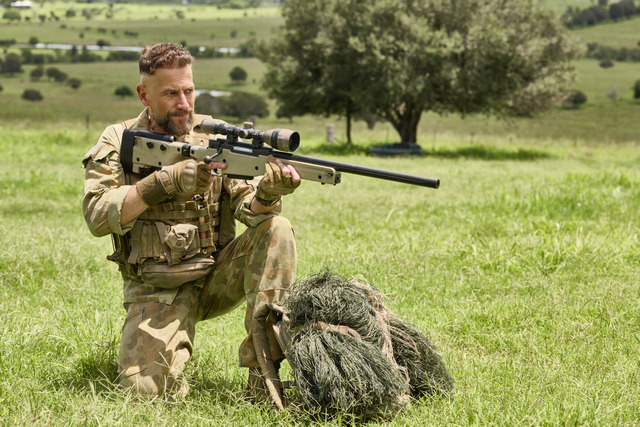
That attention to detail is evident throughout the ensemble, where even brief exchanges or silent reactions reveal emotional histories and fractures beneath the tactical professionalism.
Sciberras also credits the character of Milk, played with warmth and humanity by Ioan Gruffudd, as an emotional bridge between Kris and Anja.
“He’s probably the umbilical cord between them,” she reflected. “She would have needed somebody like Milk to help her get through being a mother.”
That softer emotional layer becomes especially important in a film otherwise dominated by fear, tension, silence, and violence.
“I feel really proud of the cast I worked with,” Sciberras added.
For the filmmaker, SEVEN SNIPERS ultimately reinforced the importance of balancing genre mechanics with authentic human drama.
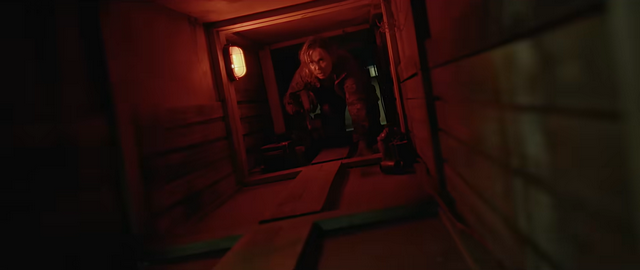
“I learned to really focus on the world from the beginning and make it sit closely with character,” Sciberras reflected. “Never lose sight of that.”
That lesson became especially important given the film’s grounded depiction of people living under constant threat and tactical pressure.
“If this is a drama in a world where people can die at any second, then there has to be a lot of respect for that,” she explained. “There’s a lot of respect for what military people and people at risk every day actually do.”
For Sciberras, the experience deepened her understanding of how genre filmmaking functions best when suspense, emotional realism, and environmental authenticity all work together rather than competing for attention.
“I really learned how important it is to understand the world you’re shooting in,” she said. “No matter what genre world you’re in.”
At the same time, SEVEN SNIPERS reaffirmed something else for the filmmaker — her genuine love for high-stakes genre storytelling.
“I learned that I like blowing shit up,” she laughed. “I love horror. I love action. This film’s really a combination of the two.”
That fusion of action-thriller tension, emotional drama, environmental immersion, and carefully sustained suspense ultimately becomes what distinguishes SEVEN SNIPERS from more conventional tactical thrillers. Beneath the scopes, silence, and sniper warfare lies a deeply human story about trauma, survival, motherhood, and the emotional scars left behind long after the shooting stops.
And after delivering one of the year’s most atmospheric and tightly wound action thrillers, Sciberras is already looking toward what comes next.
“I just want to do more,” she said.
After SEVEN SNIPERS, audiences should be eager to see exactly what that is.
by debbie elias, exclusive interview 05/20/2026
SEVEN SNIPERS is available On Digital on June 5, 2026.