EMMY FYC: Daylight Noir: Cinematographer MARK SCHWARTZBARD on the Sunbaked Visual World of THE LOWDOWN – Exclusive Interview
Sun, Sweat, and Sunshine Noir: Mark Schwartzbard Finds the Visual Pulse of THE LOWDOWN.

Sun, Sweat, and Sunshine Noir: Mark Schwartzbard Finds the Visual Pulse of THE LOWDOWN.

“For me, it was always characters first,” she said. “As long as I stayed true to the drama of the story, then the rest became the stylistic choices — how to create tension, how to create suspense, how to maintain the element of surprise.”

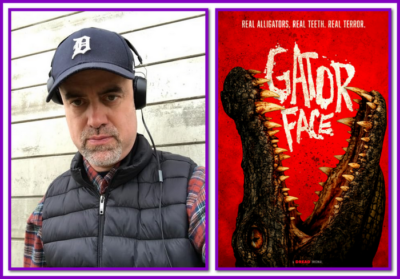
Jon Keeyes immediately recognized the uniqueness of Domenico Salvaggio’s screenplay, embracing its unusual “weird and wonderful” blend of genres while ensuring that character remained the driving force of SPEED DEMON.

There’s a very fine line between sincerity and absurdity. And in CHAD POWERS, cinematographer MARK SCHWARTZBARD walks it with remarkable precision.

Director Eric Appel didn’t just want THE BREADWINNER to be funny. He wanted the chaos to feel real.

Stunt Coordinator ANDY RUSK talks practical gags, 1970s car-chase DNA, Ethan Hawke’s physical instincts, and why nobody in FX’s Tulsa noir is especially good at violence.

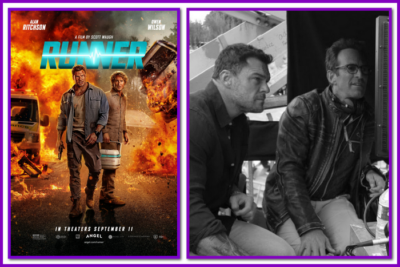
“It’s what we wanted,” Adkins says with a laugh. “Just to make an entertaining, silly movie with a buffoon in the lead.” And Adkins’s Devon truly is a buffoon in the best possible way.

As director of four pivotal episodes and executive producer of ALIEN: EARTH, DANA GONZALES balances franchise legacy with bold evolution, crafting a visually and emotionally layered expansion of the Alien universe.

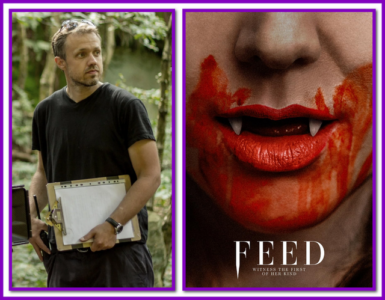
Barker has delivered a film that feels both confident and inventive—blending psychological horror, practical filmmaking, and a sly sense of humor into something refreshingly original.

With FORGE, writer-director Jing Ai Ng takes the bones of a true-crime art-world scandal and transforms them into something far more psychologically textured than a standard forgery thriller.

For writer/director JOHN MICHAEL KENNEDY, “I really like films when characters live in the gray. It’s more like real life.”

Rather than simply extending the episodic storytelling onto a larger canvas, Arias Munoz approached CASA GRANDE as an opportunity to re-engineer the material through a more expansive cinematic lens.